Extended through August 20, 2026
Installation Views | Essay | For availability and pricing, please contact the gallery at 212-581-1657
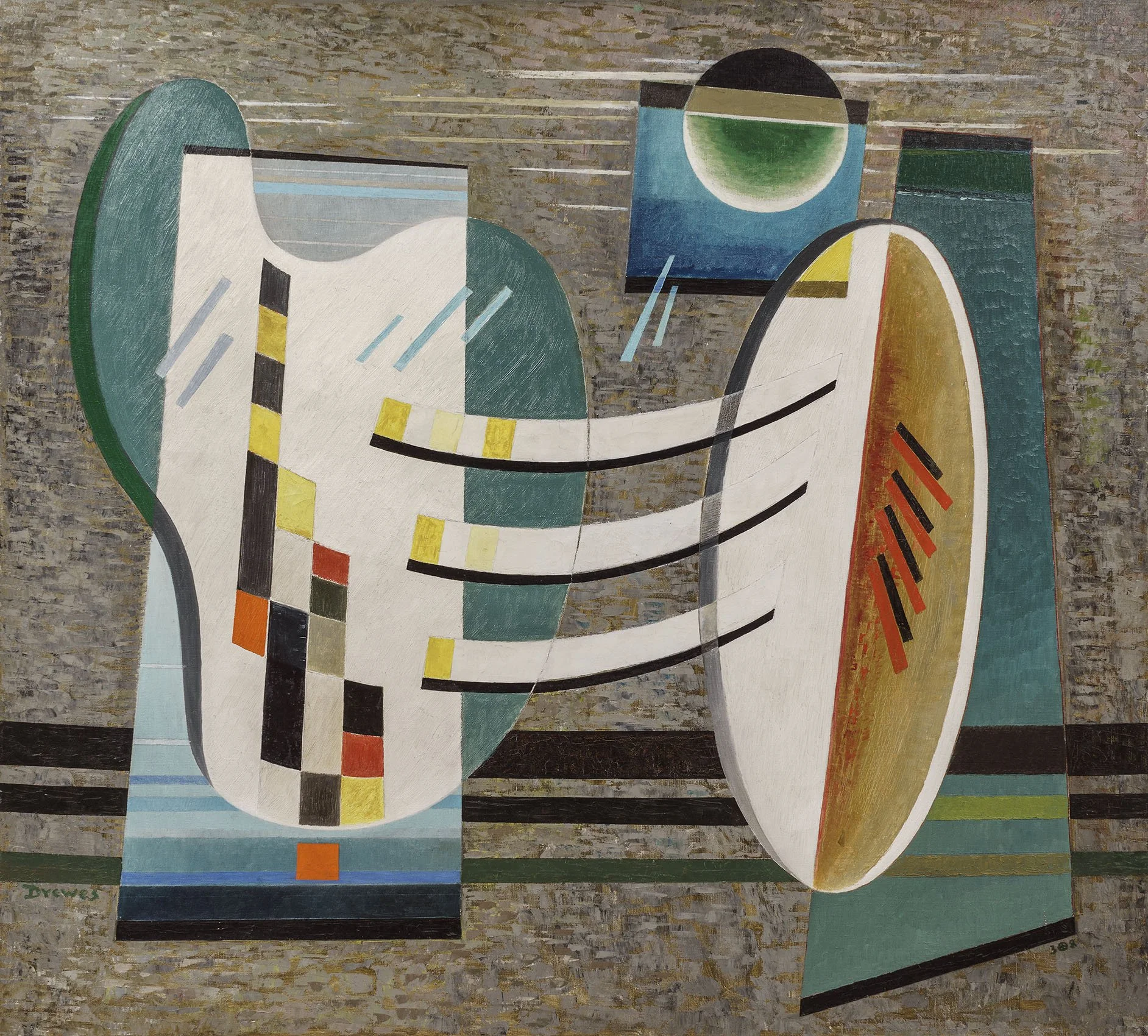
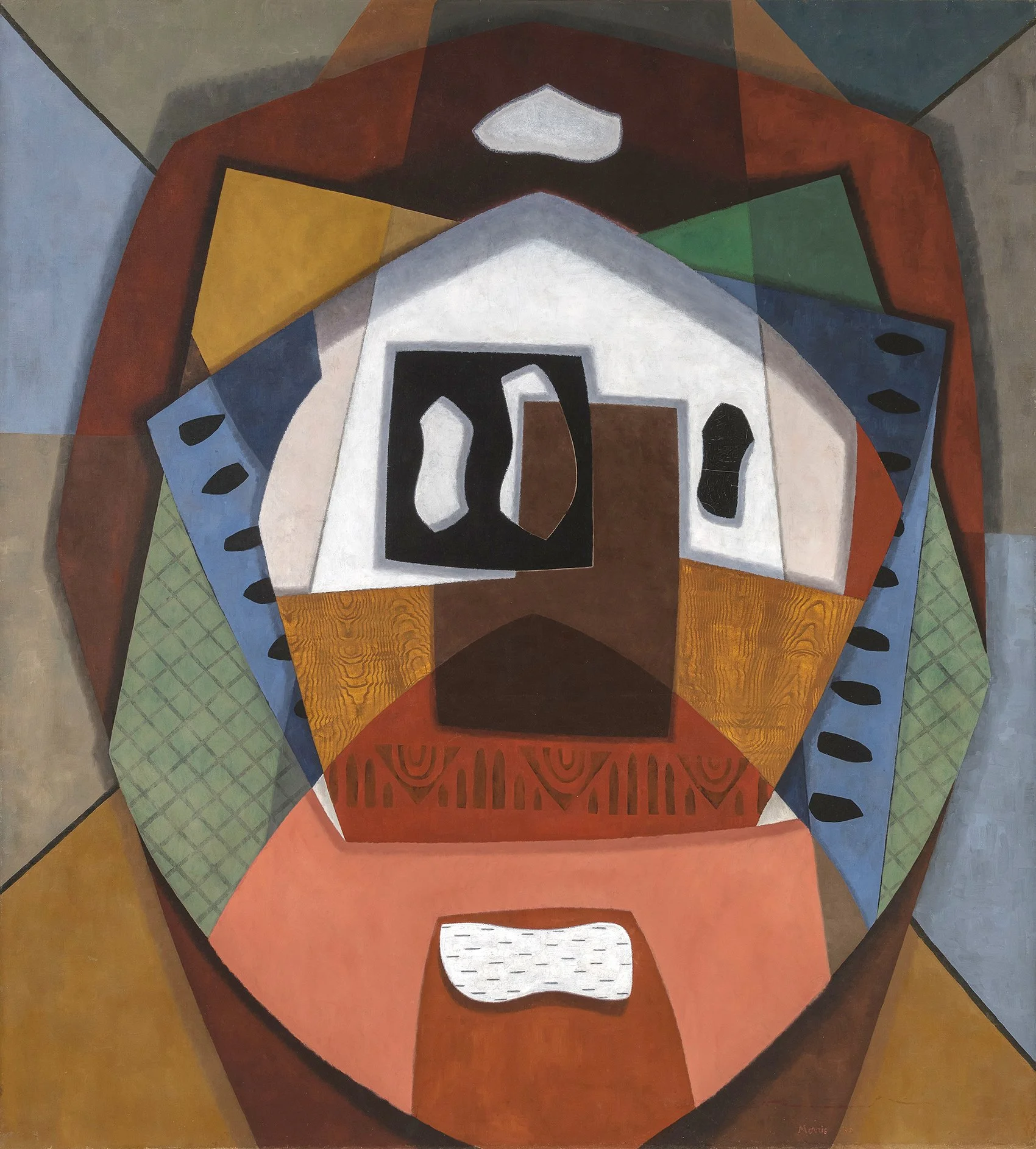
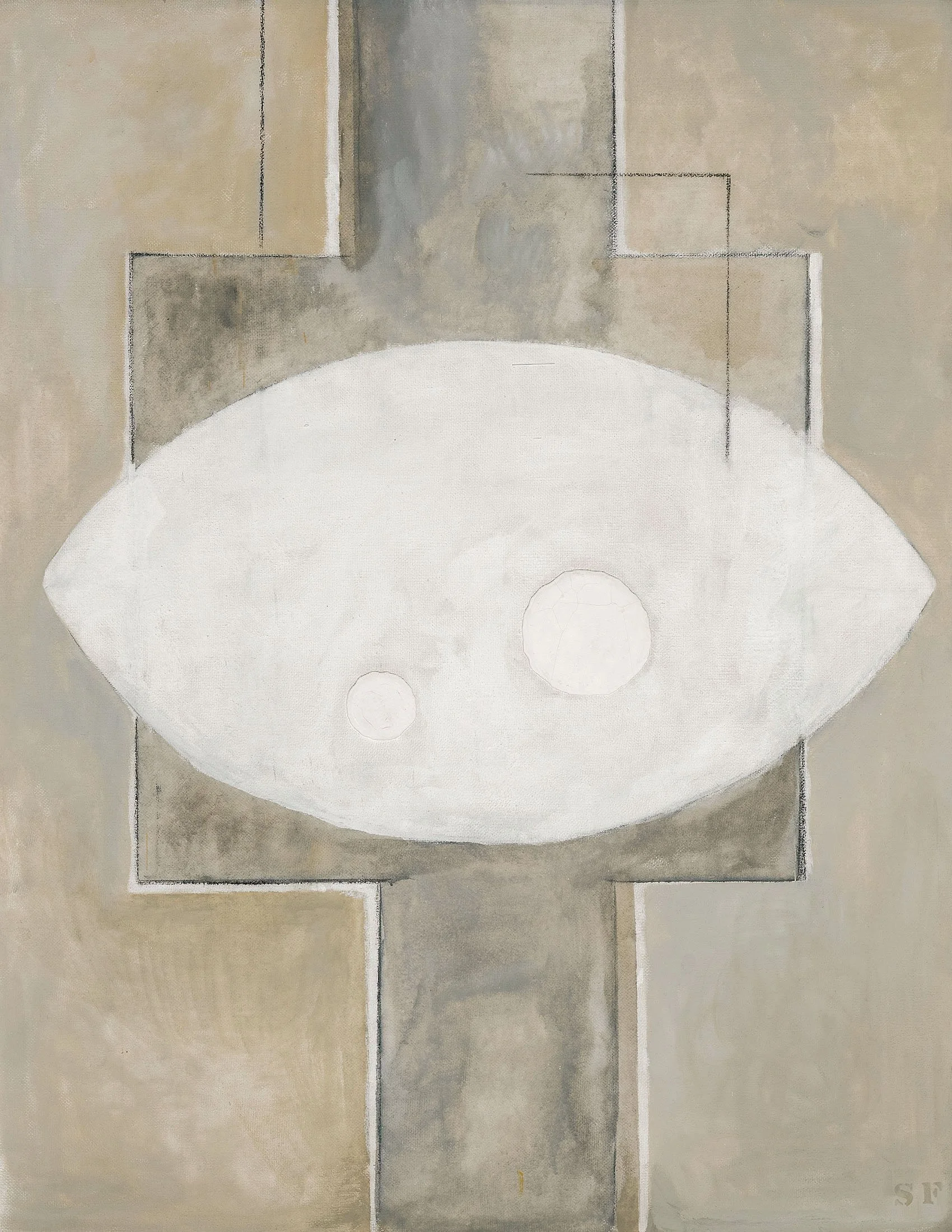
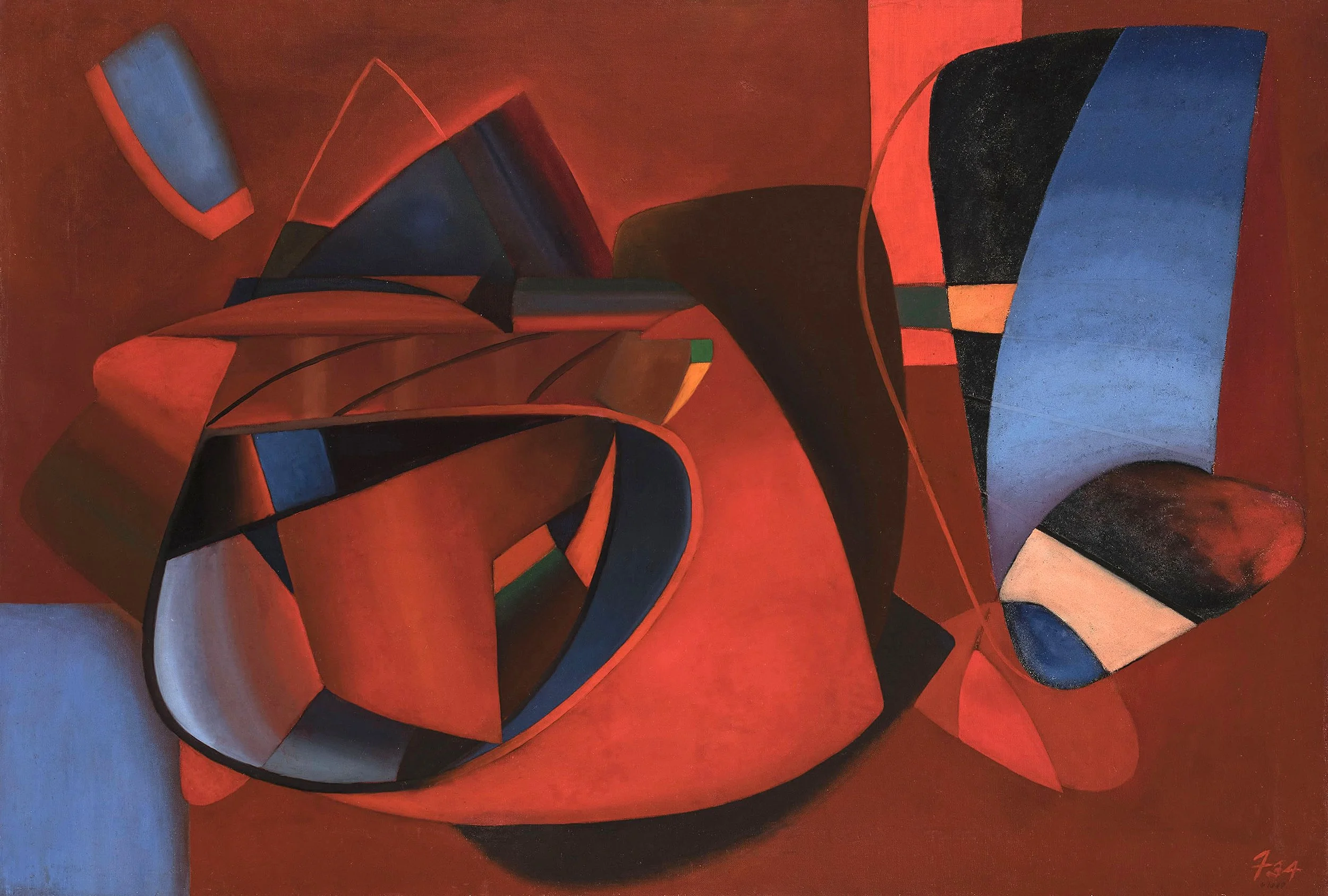
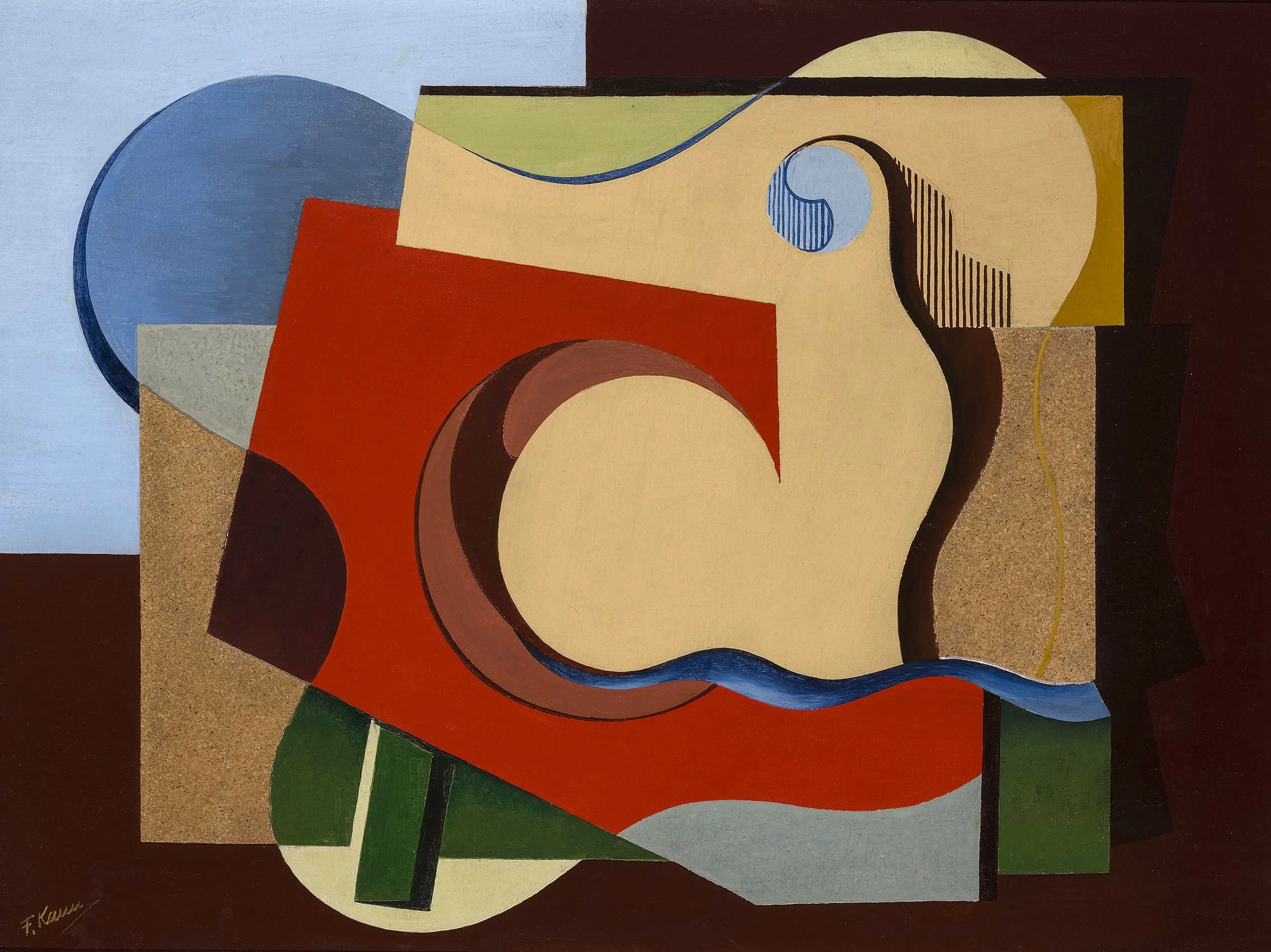
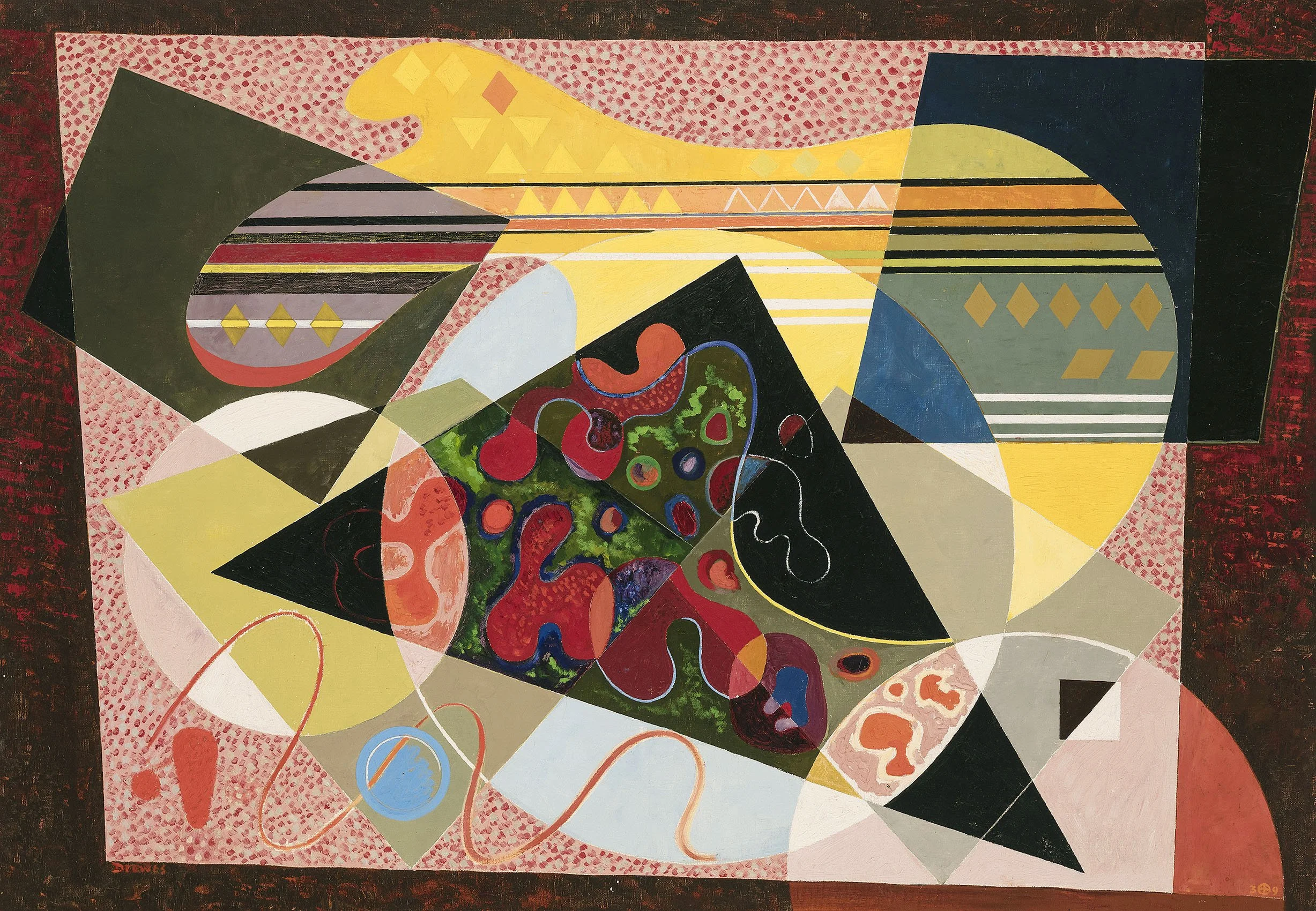
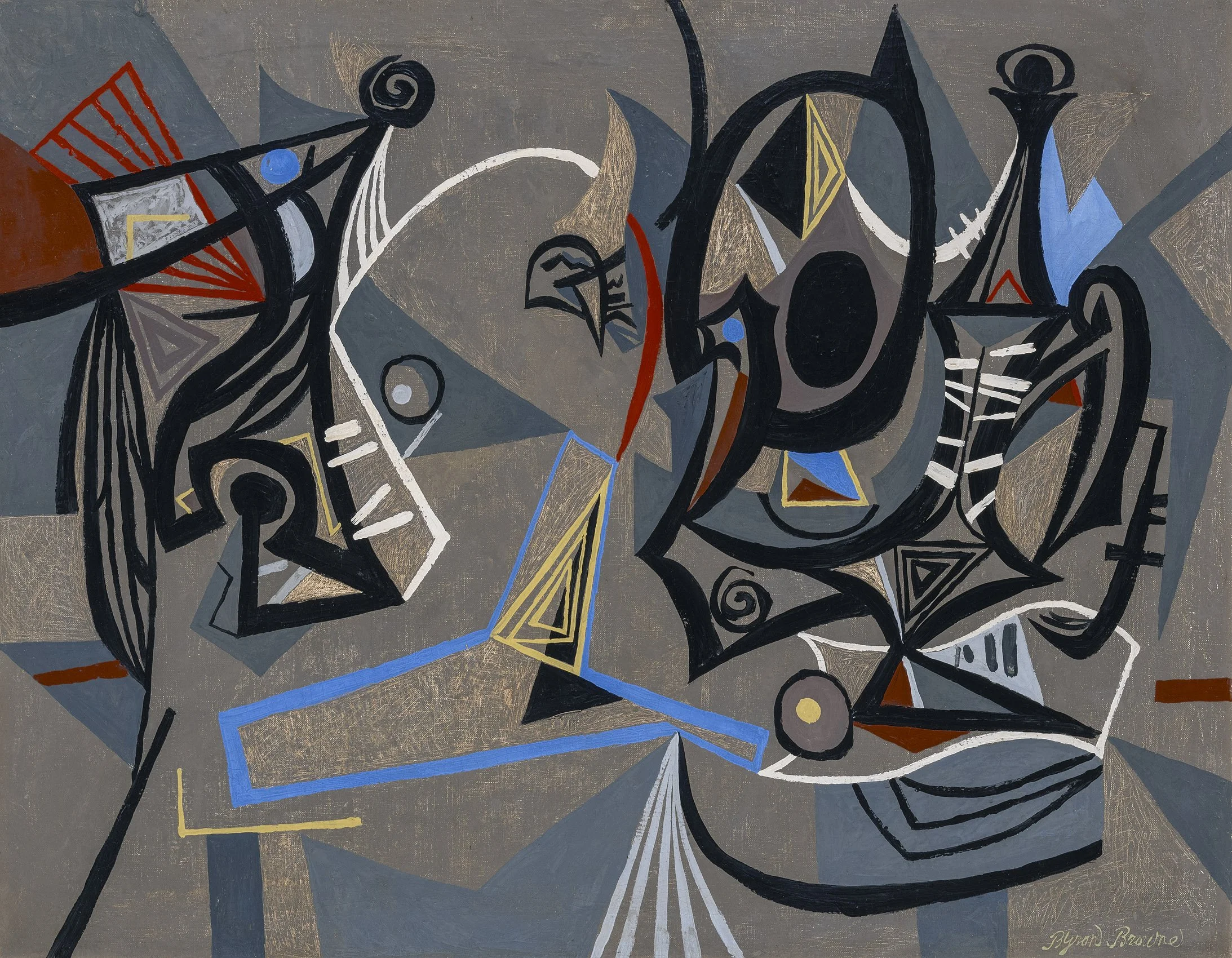
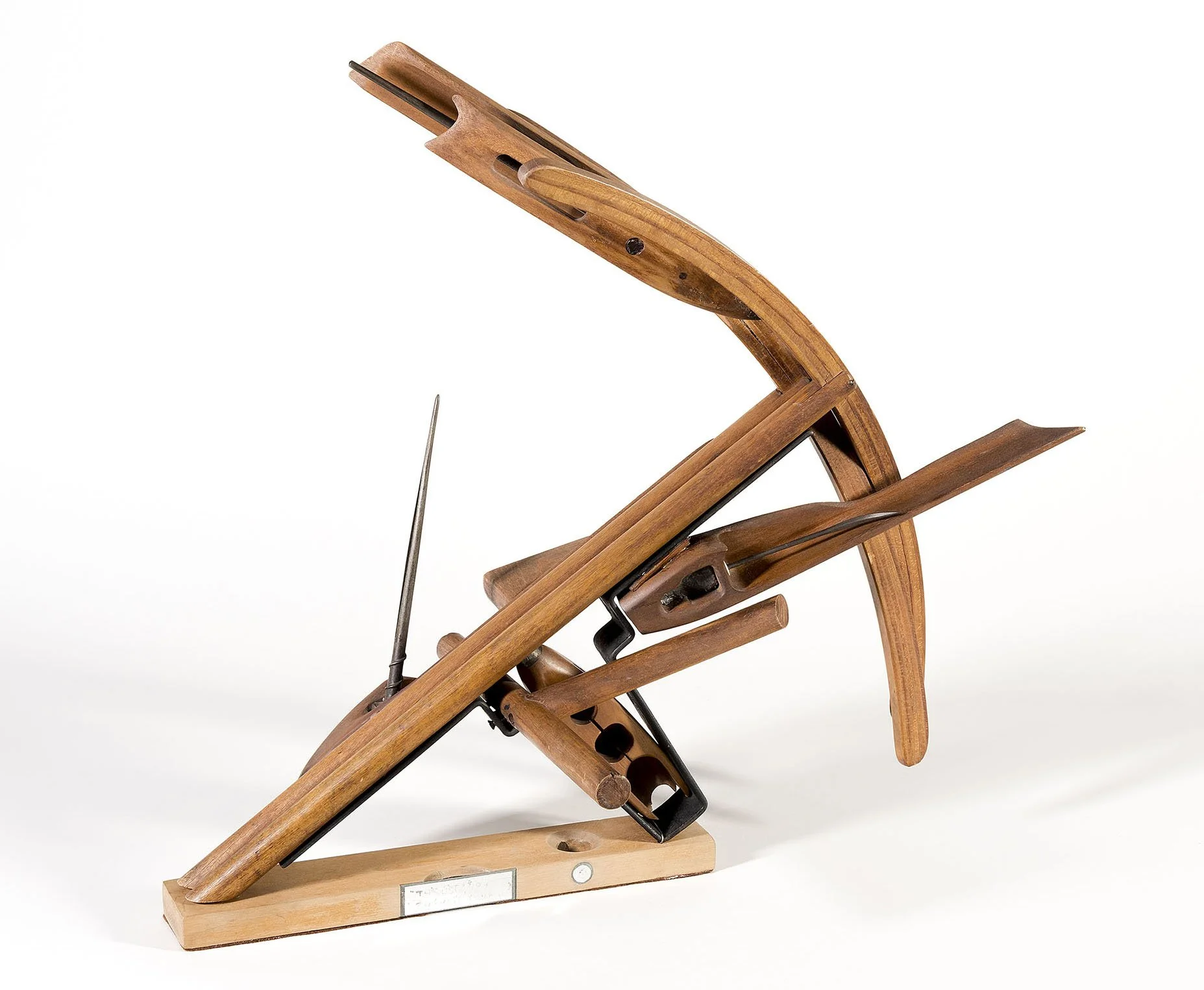
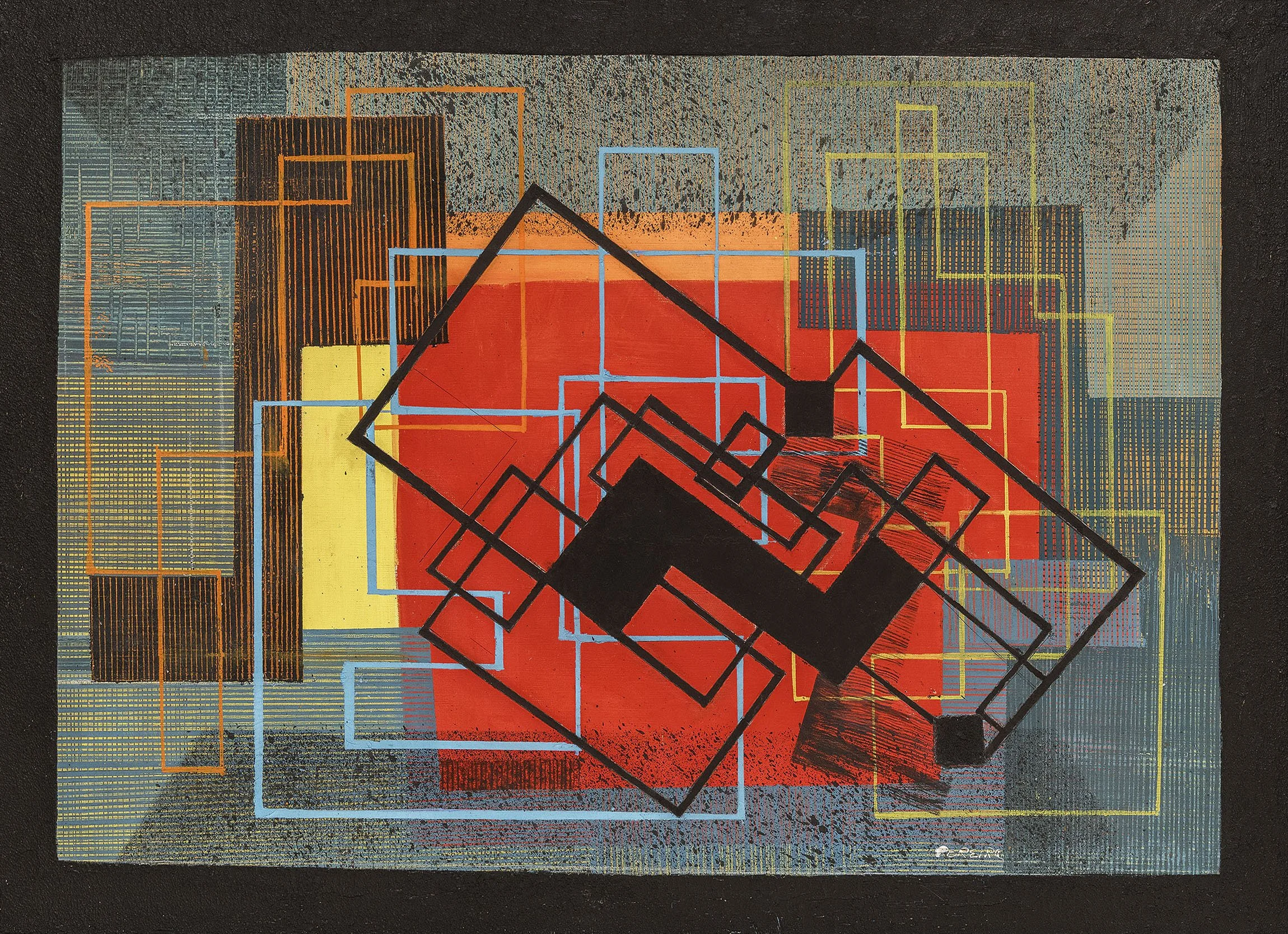
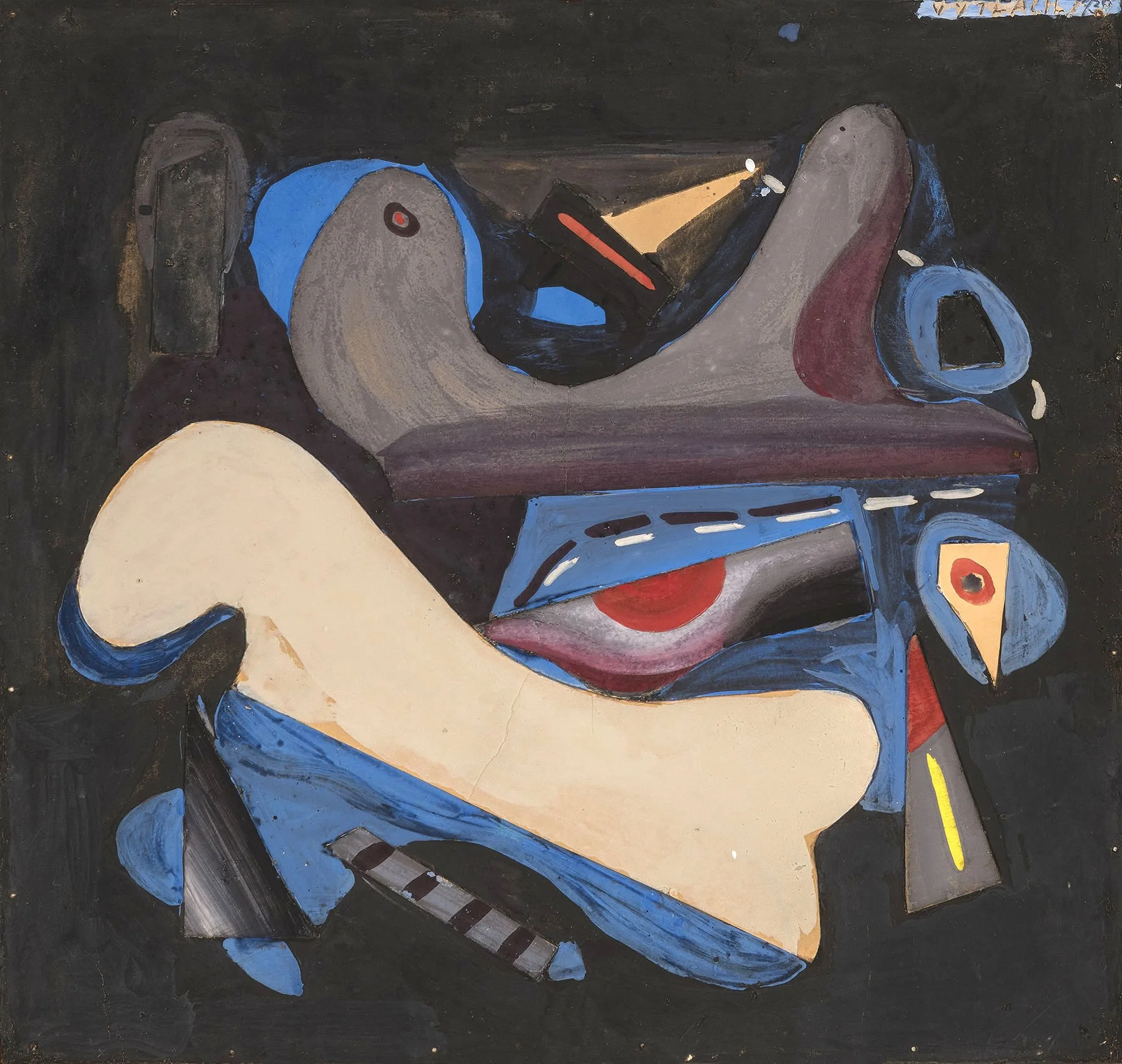
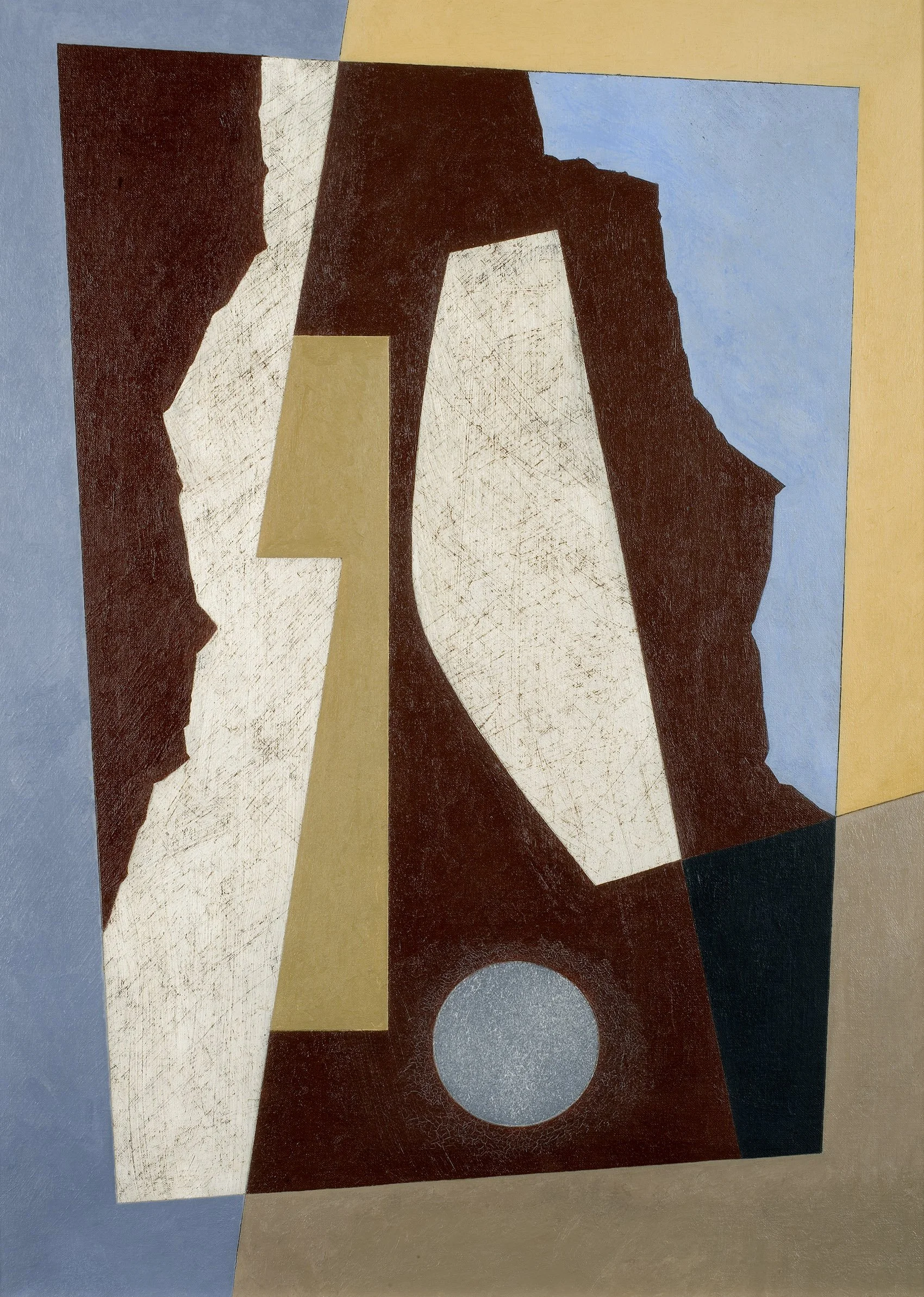
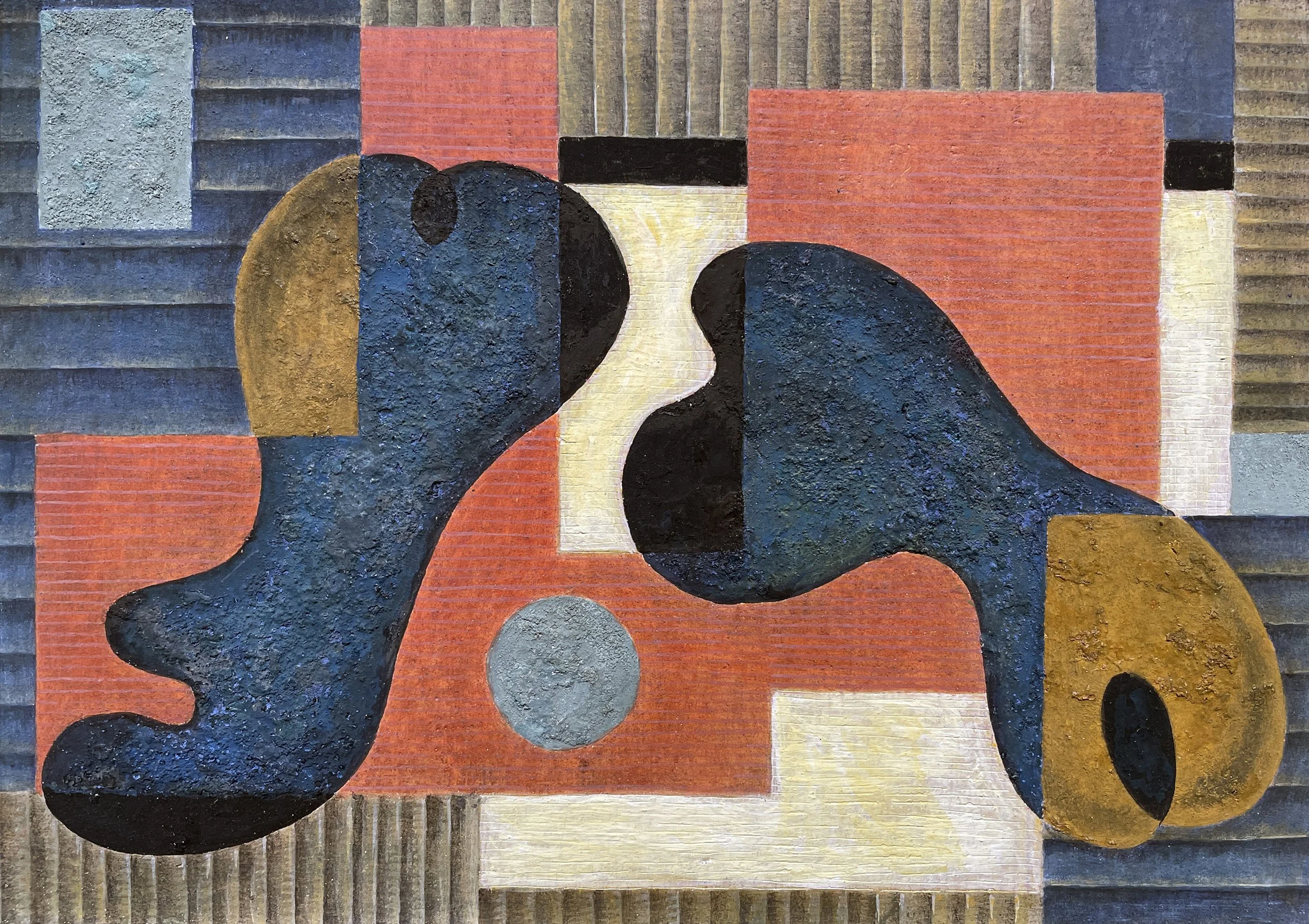
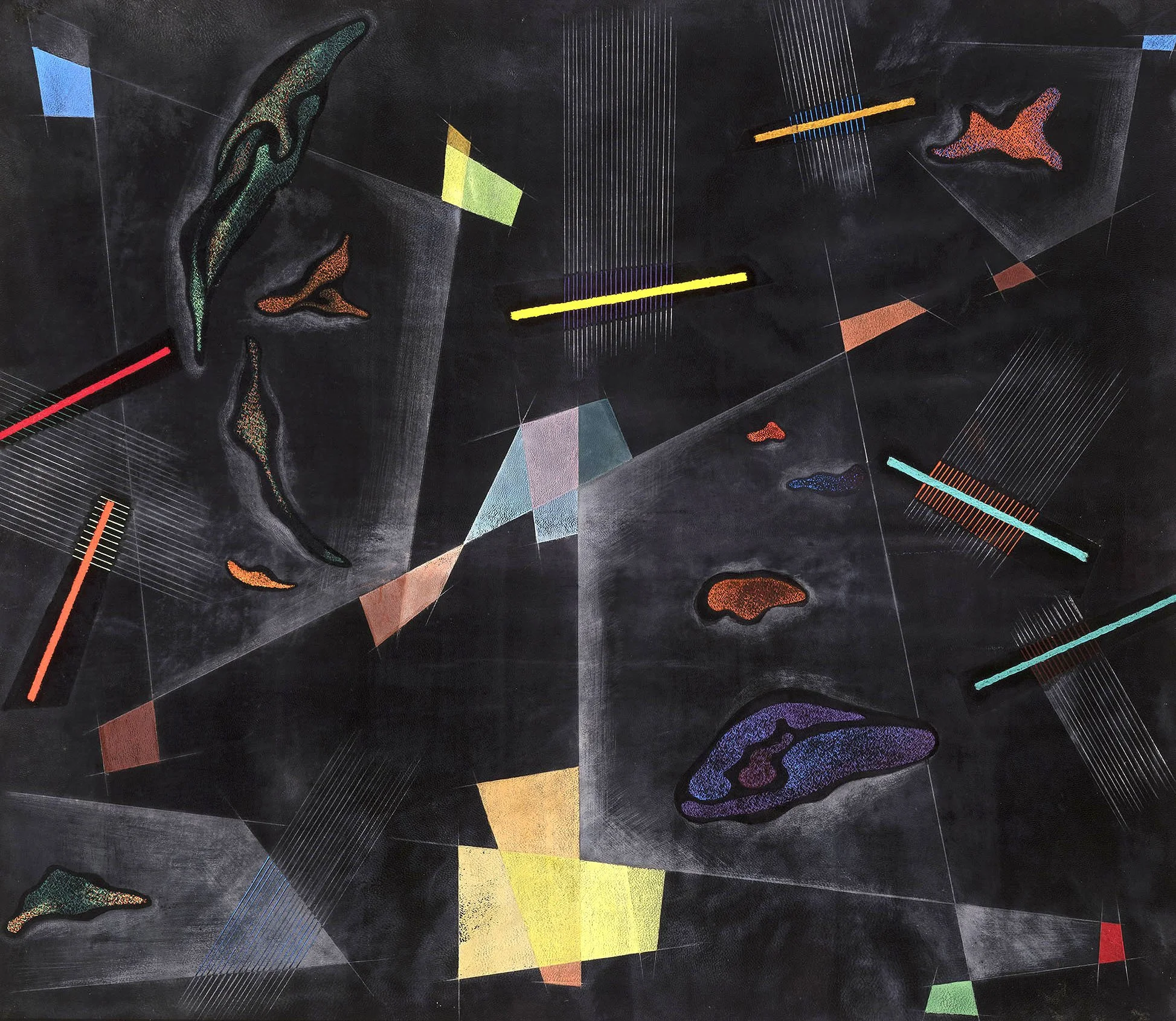
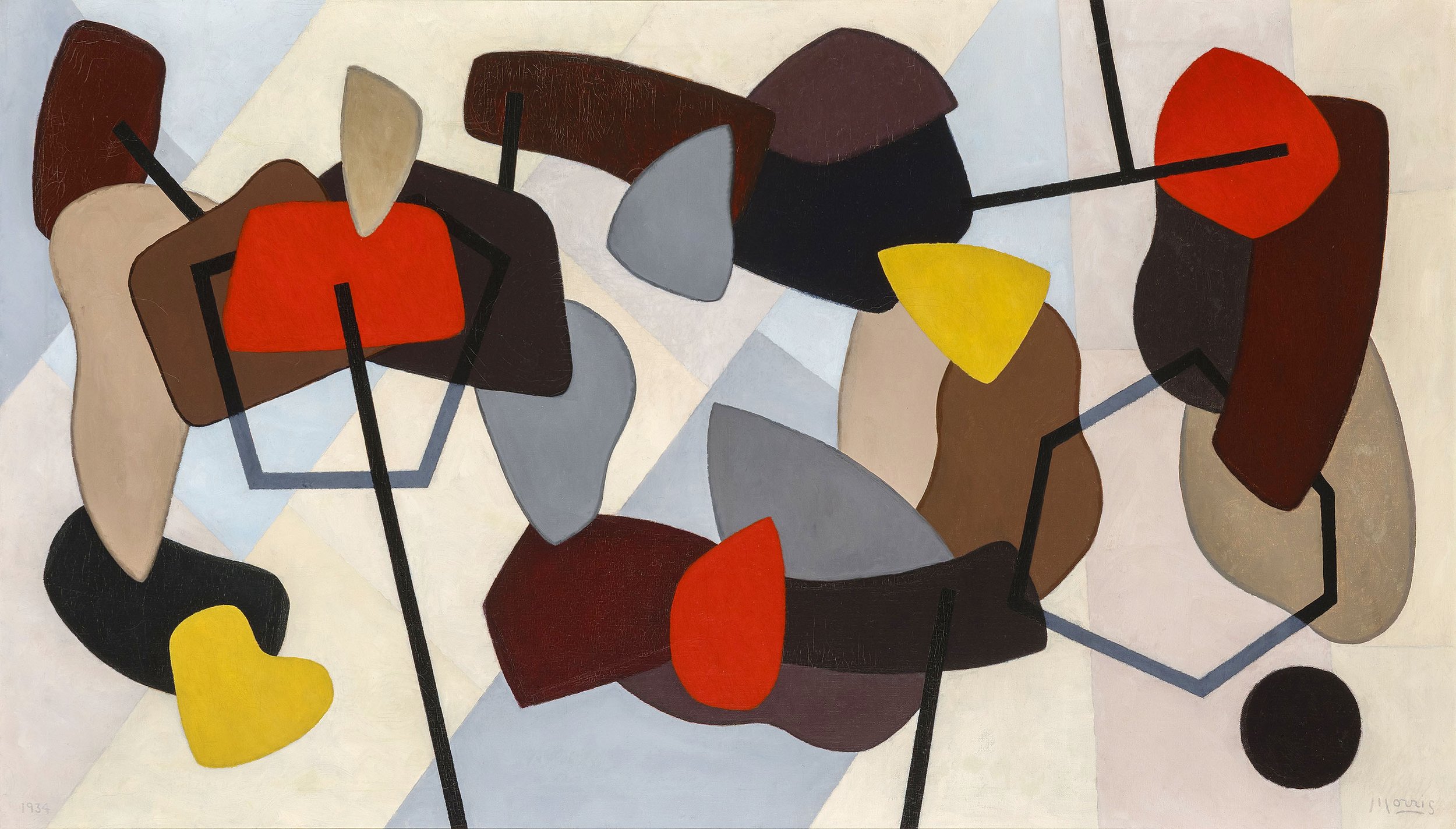
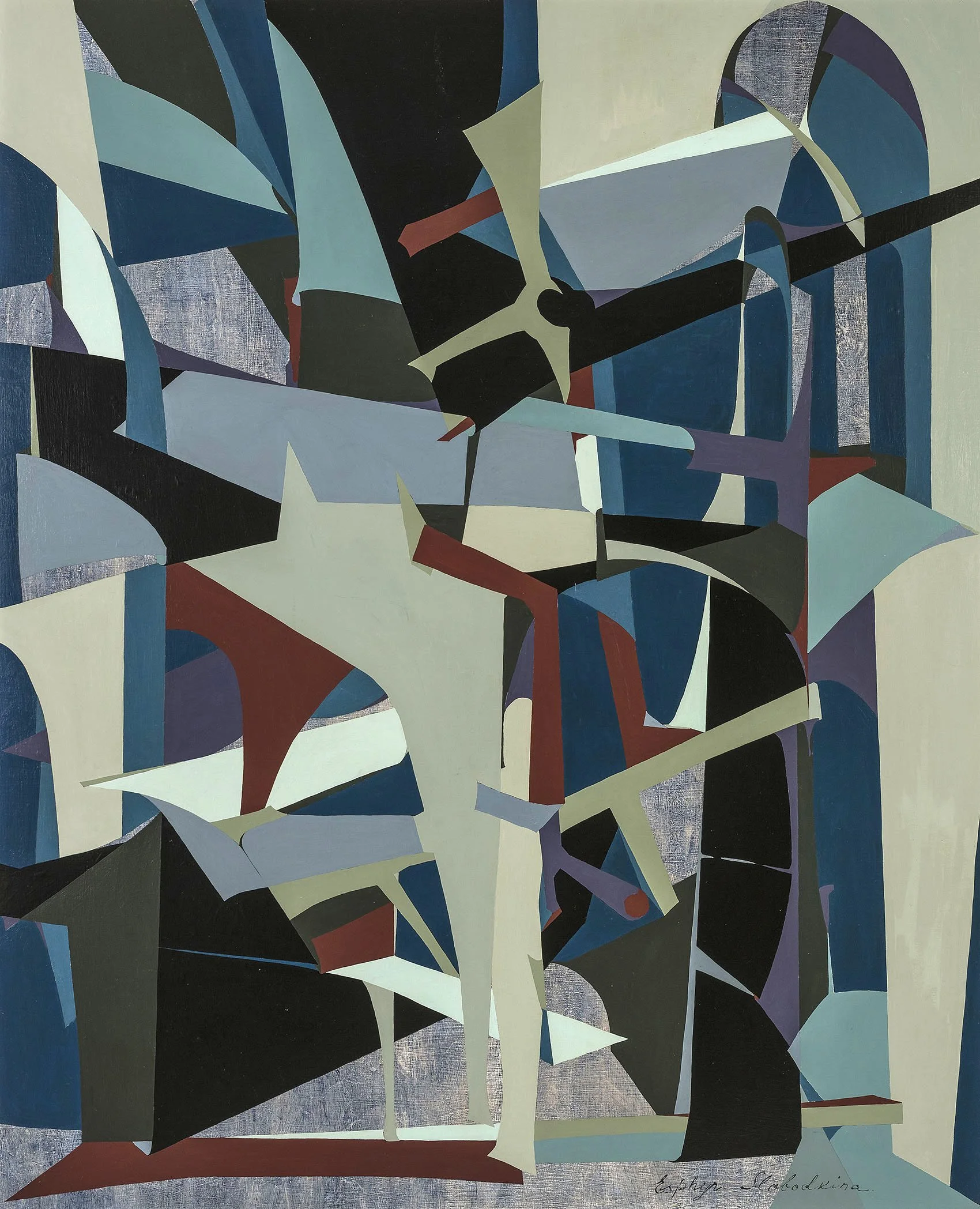
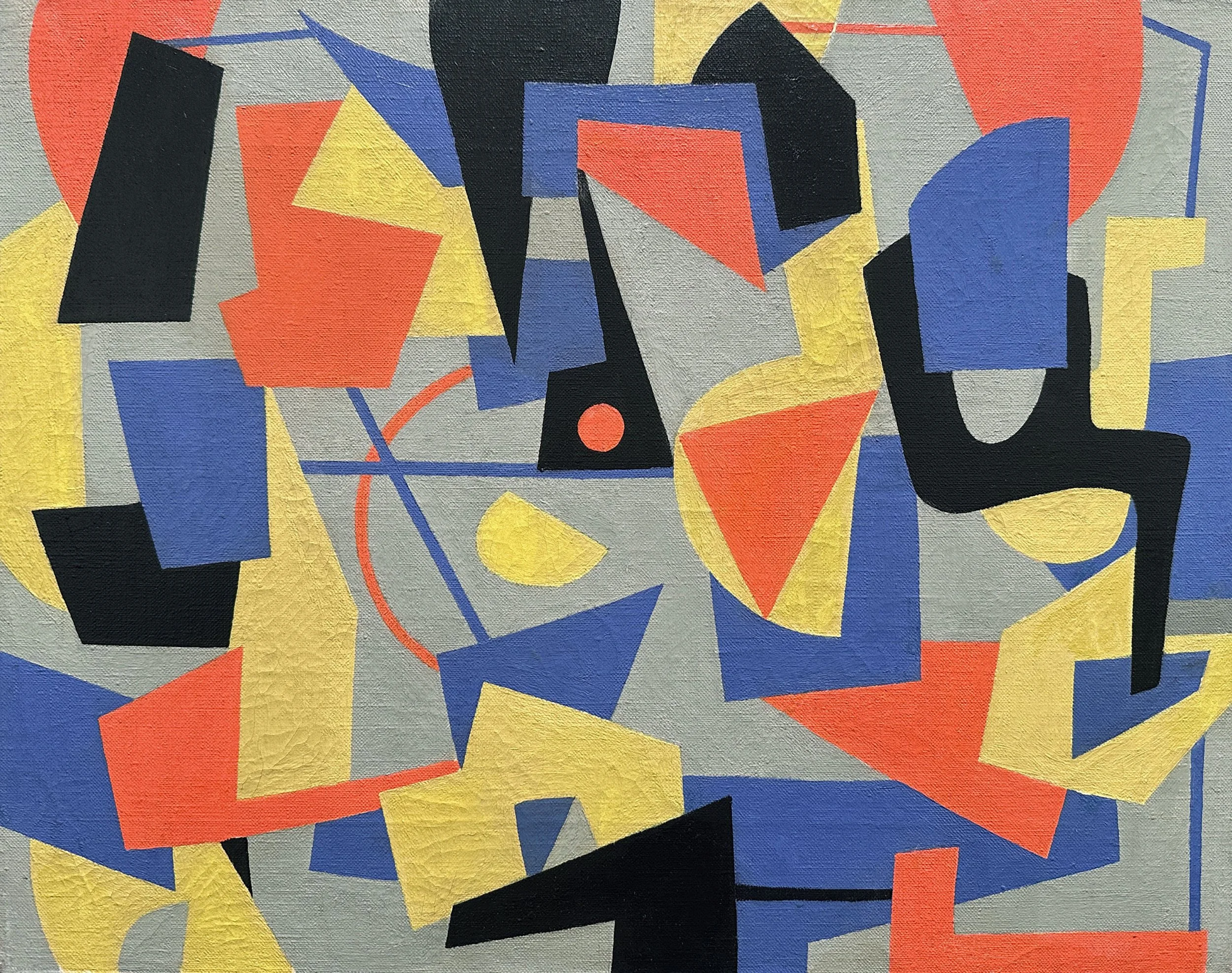
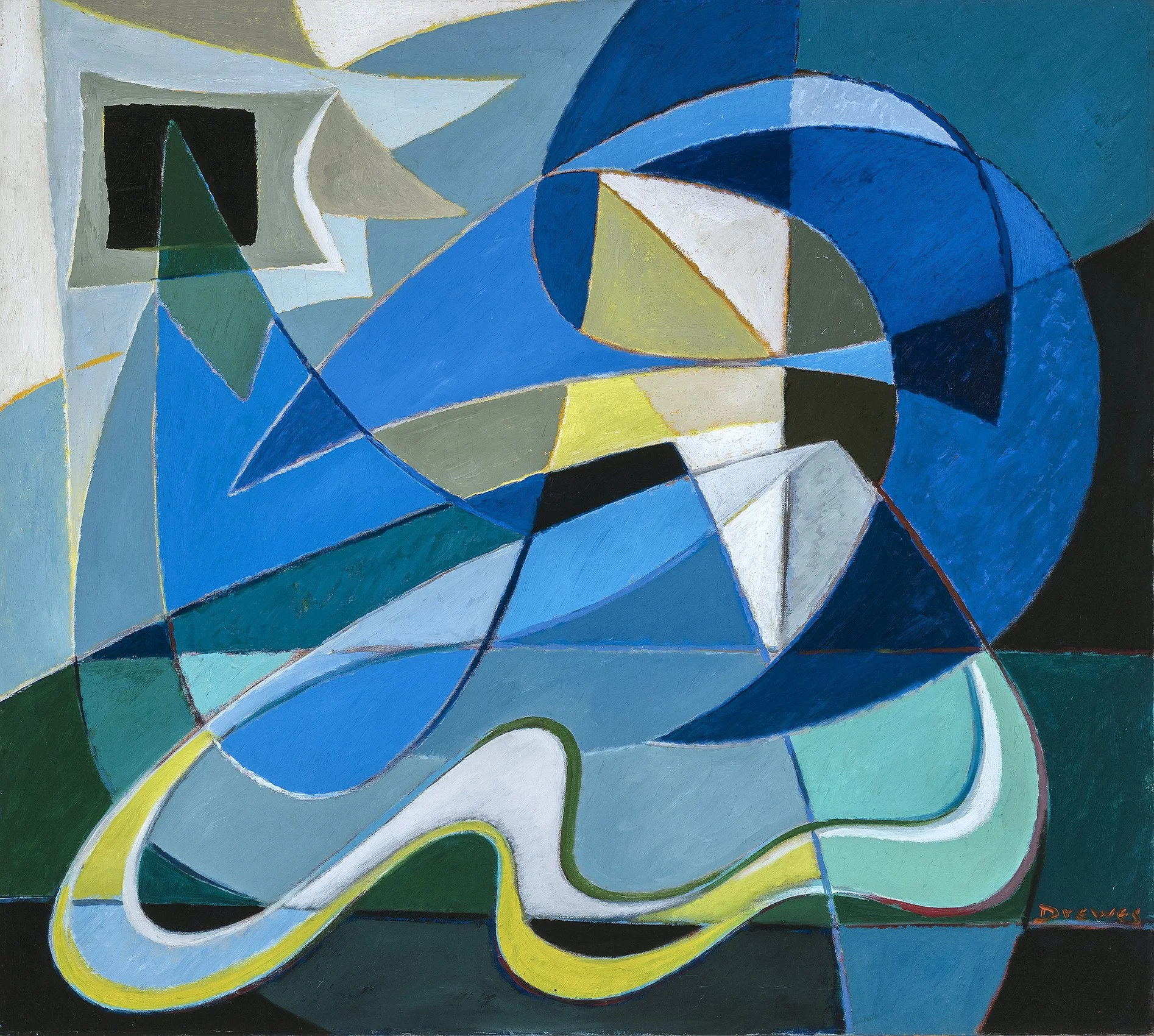
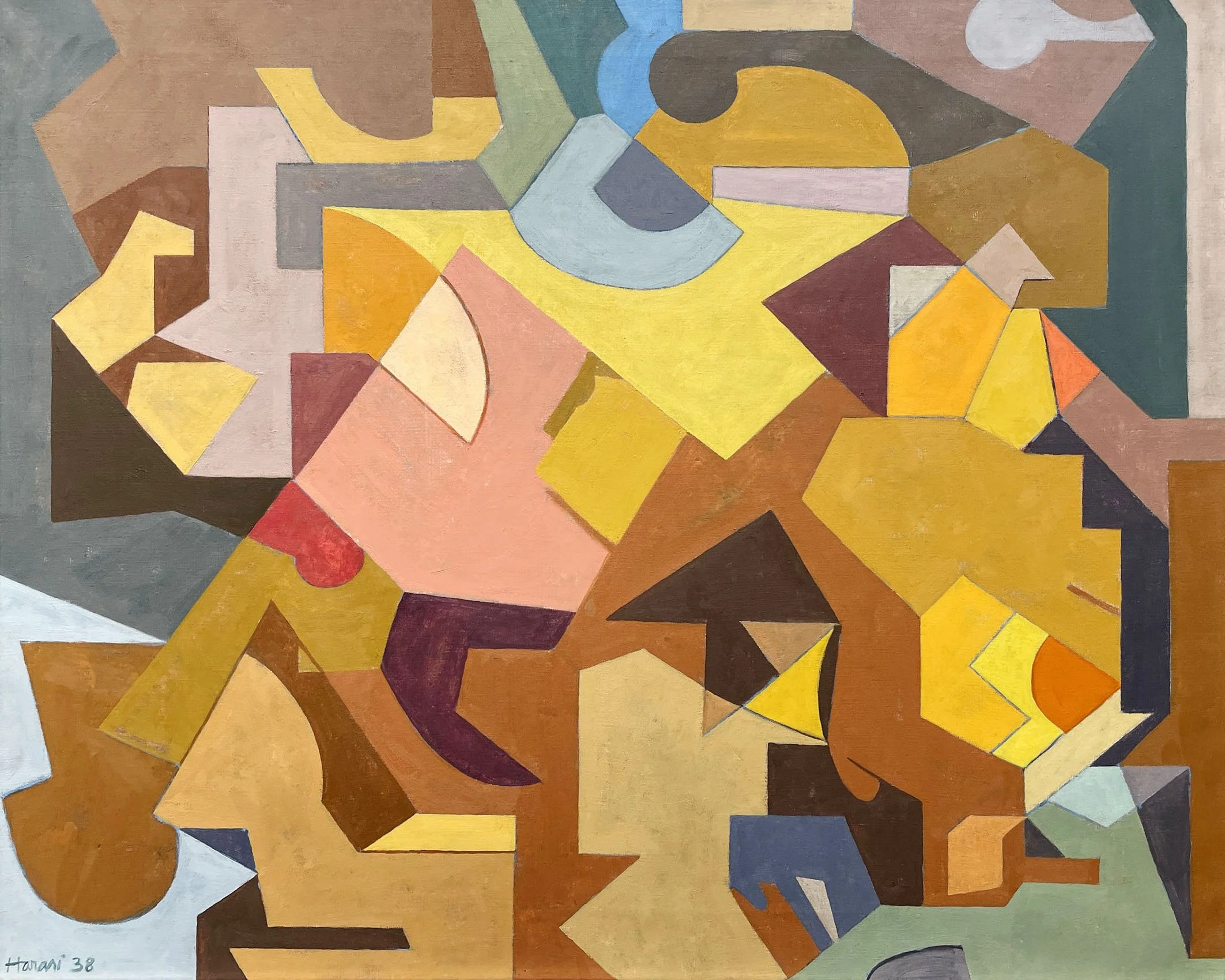
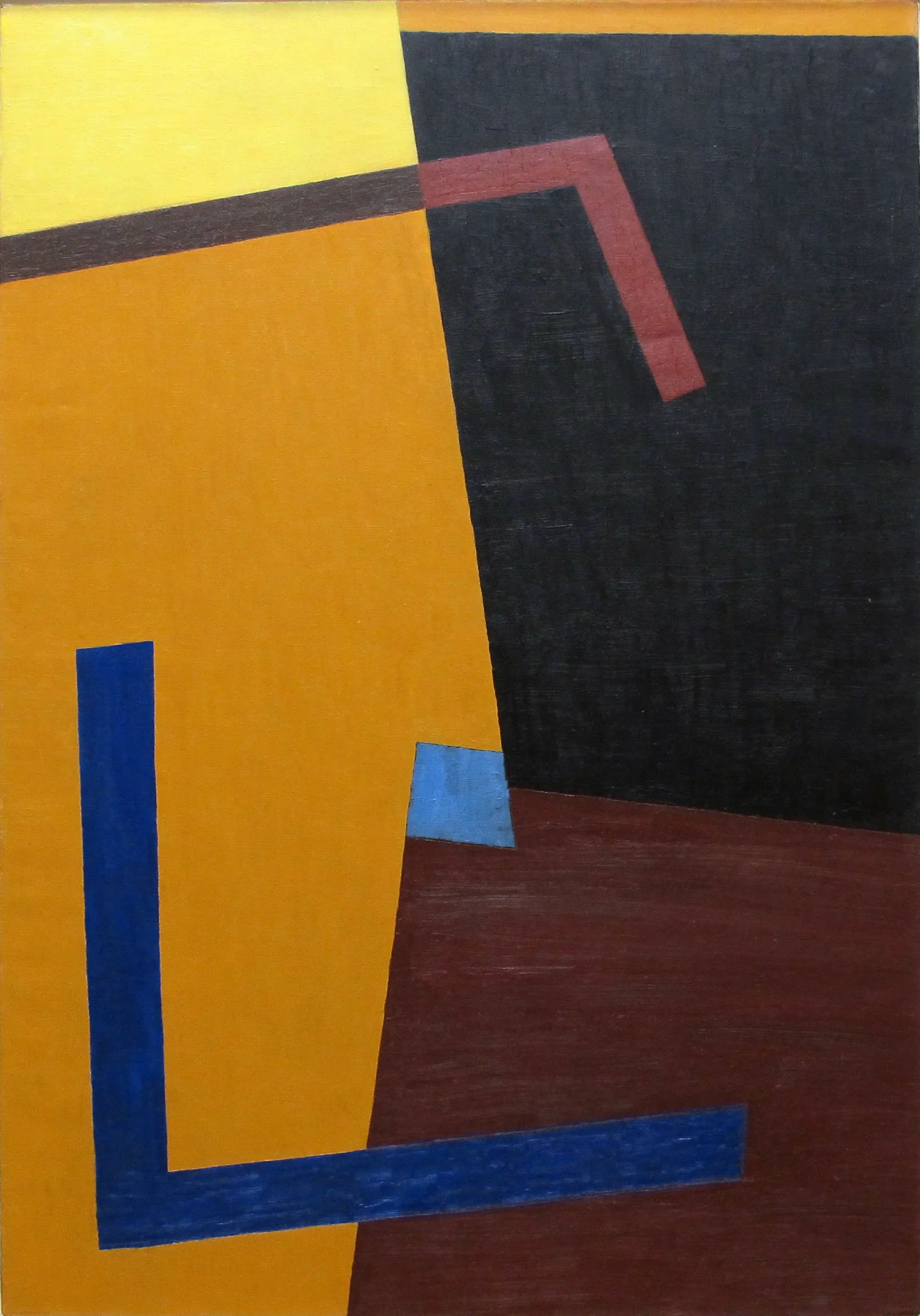
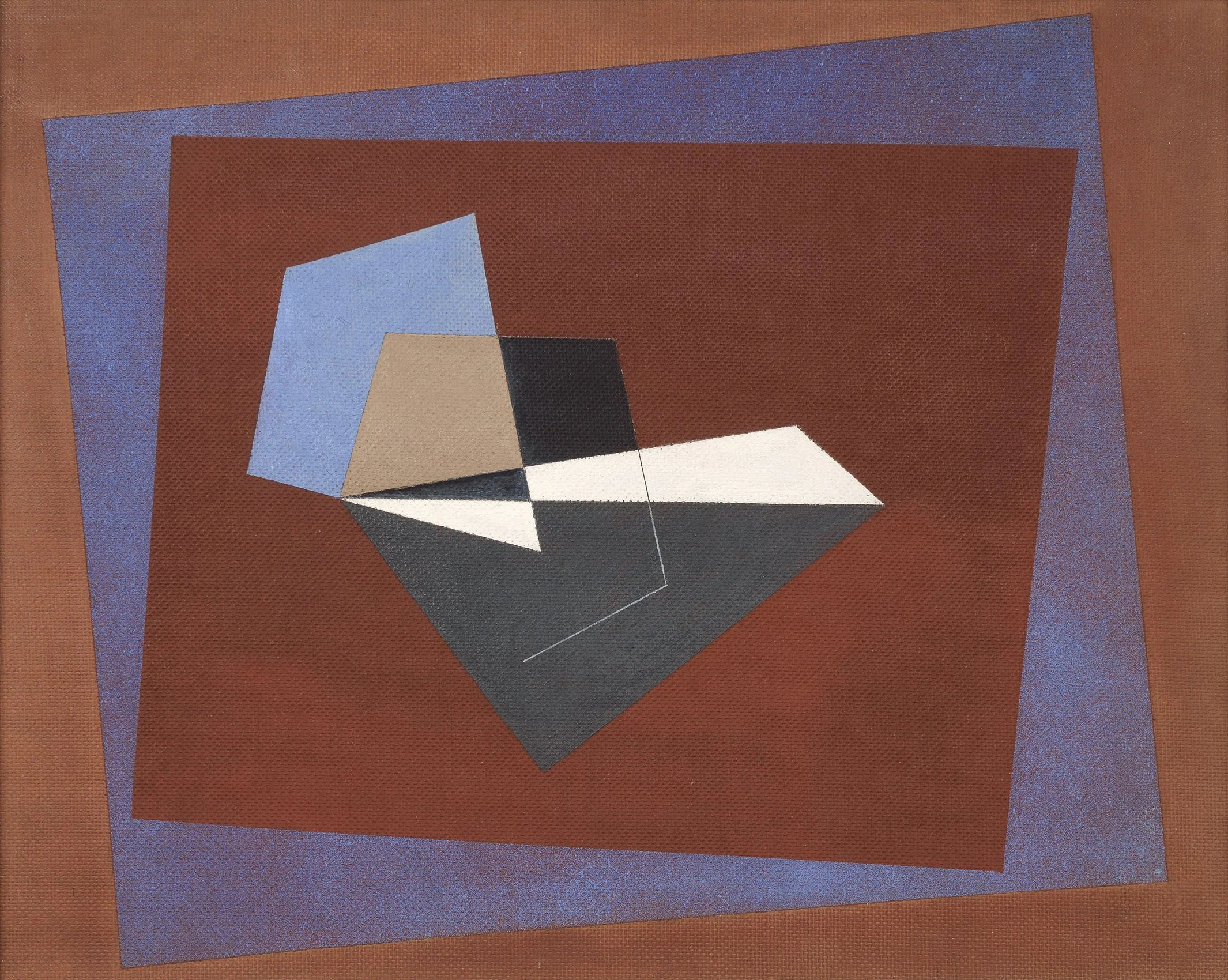
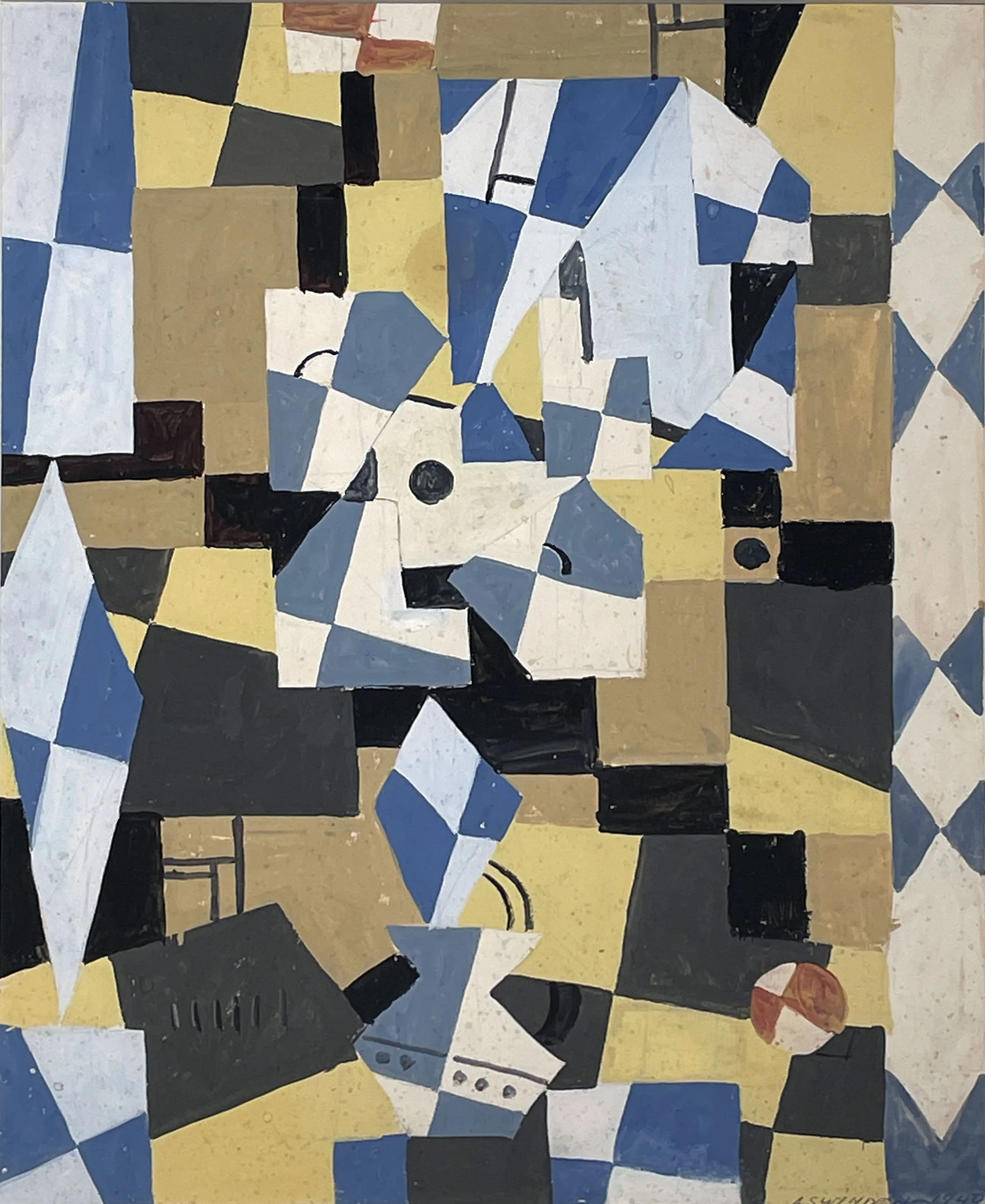
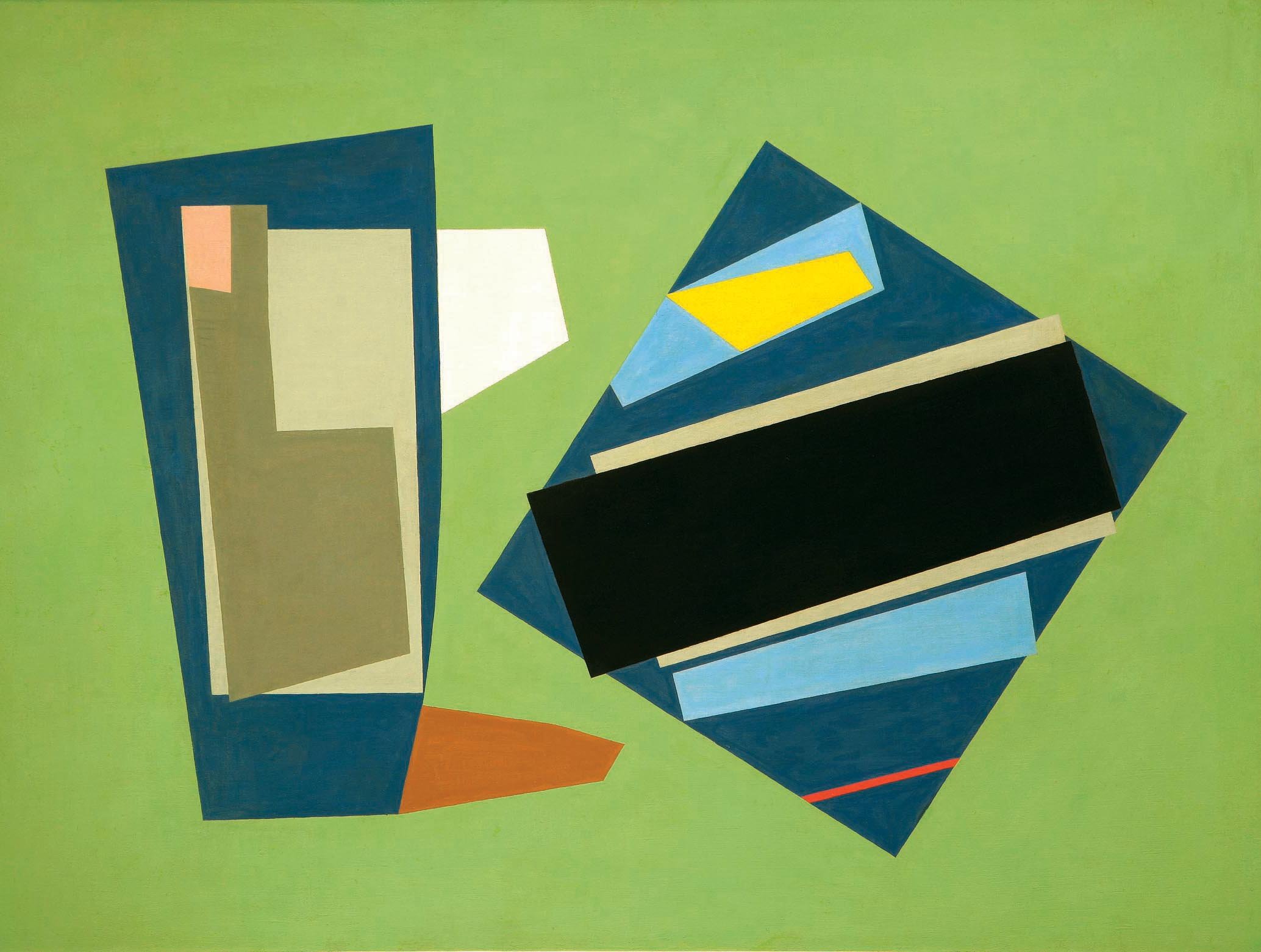
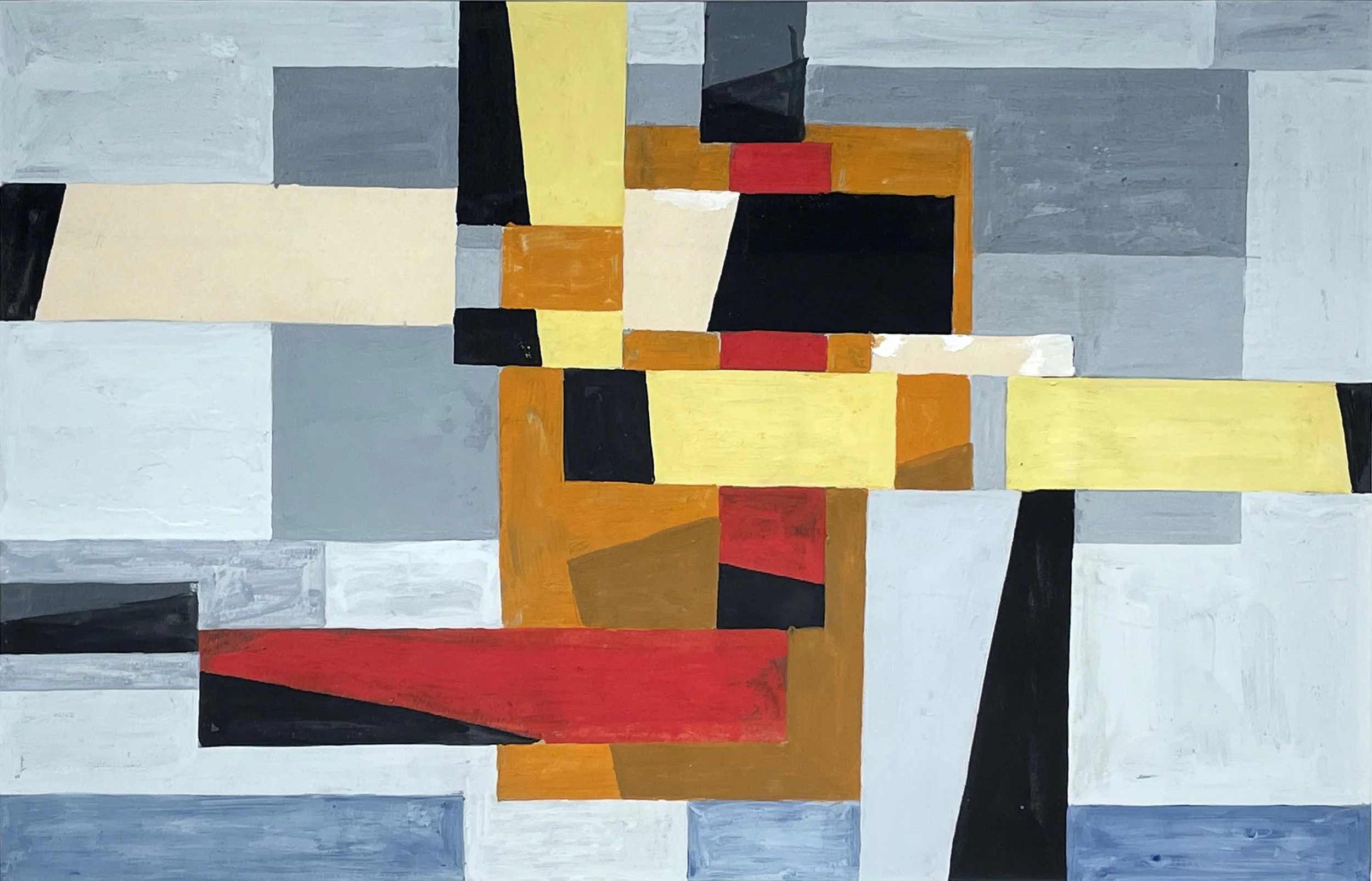
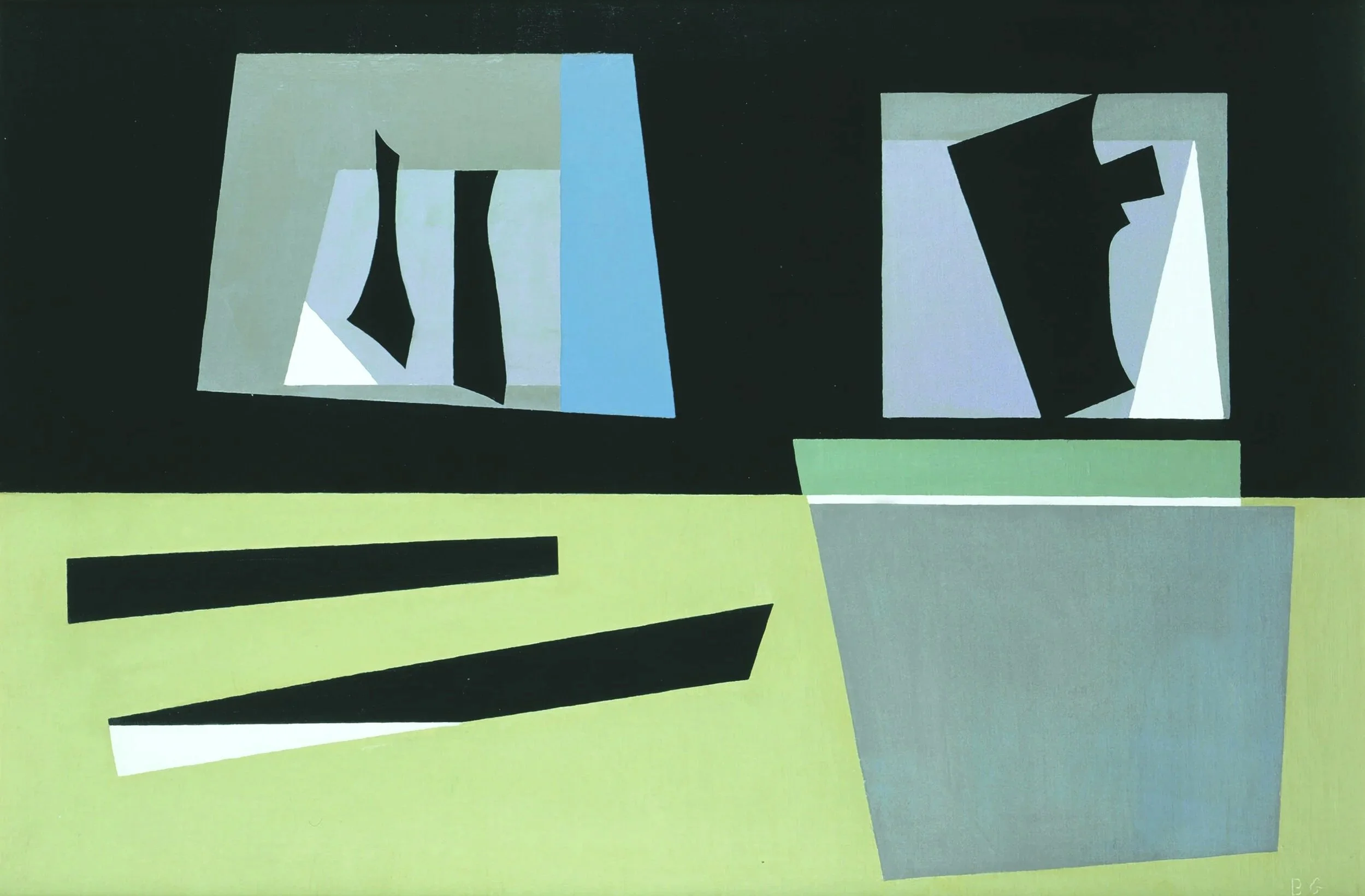
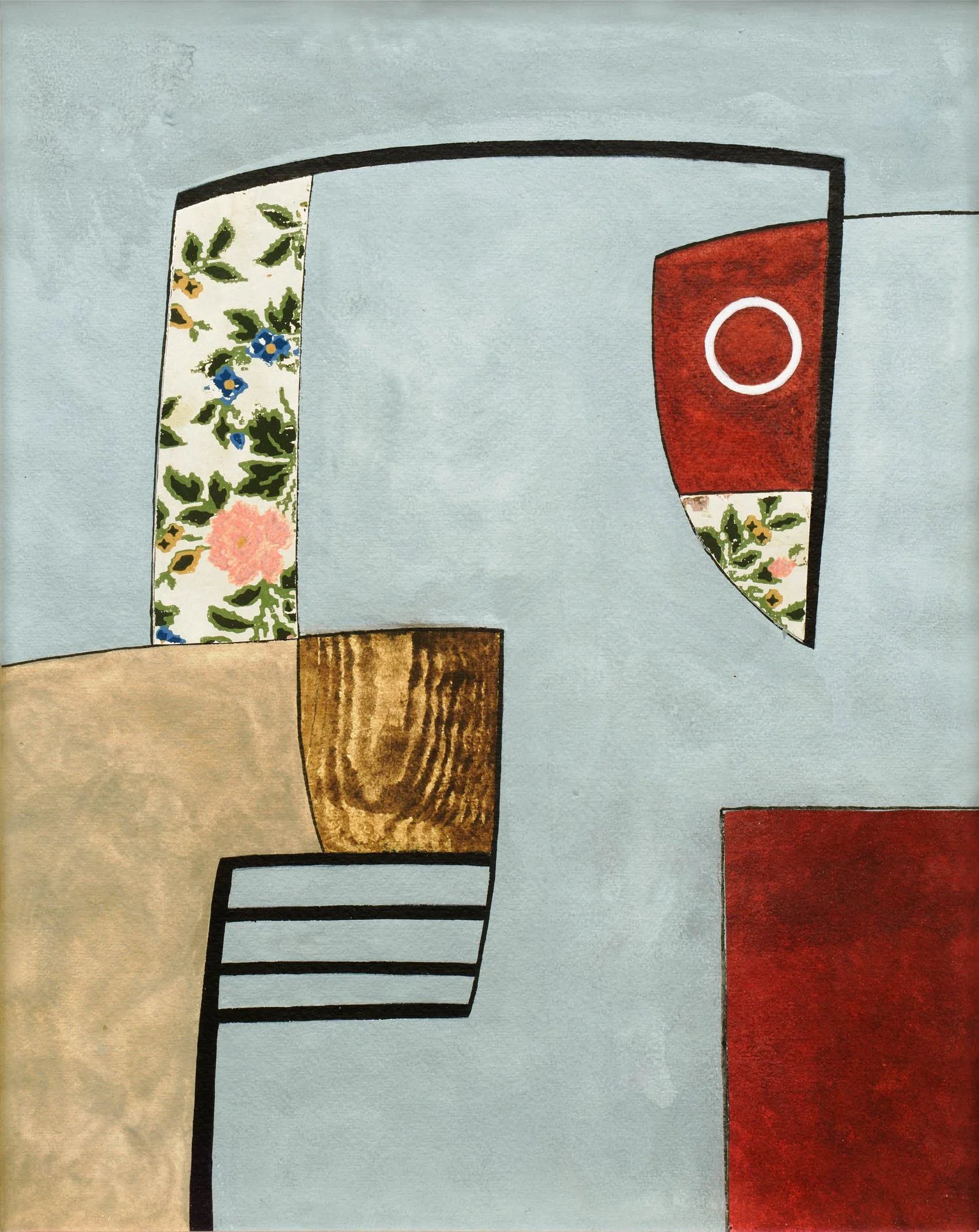
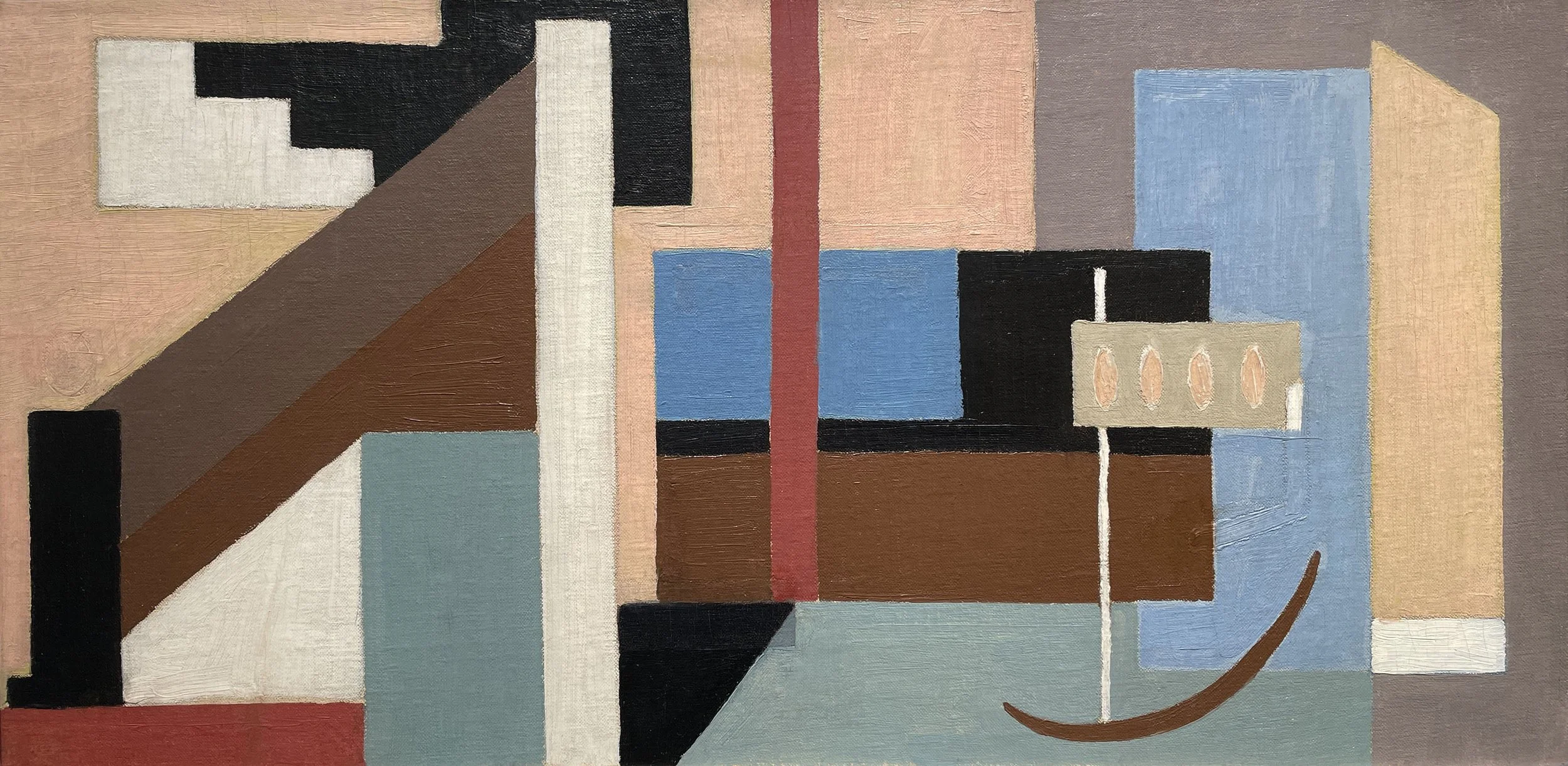
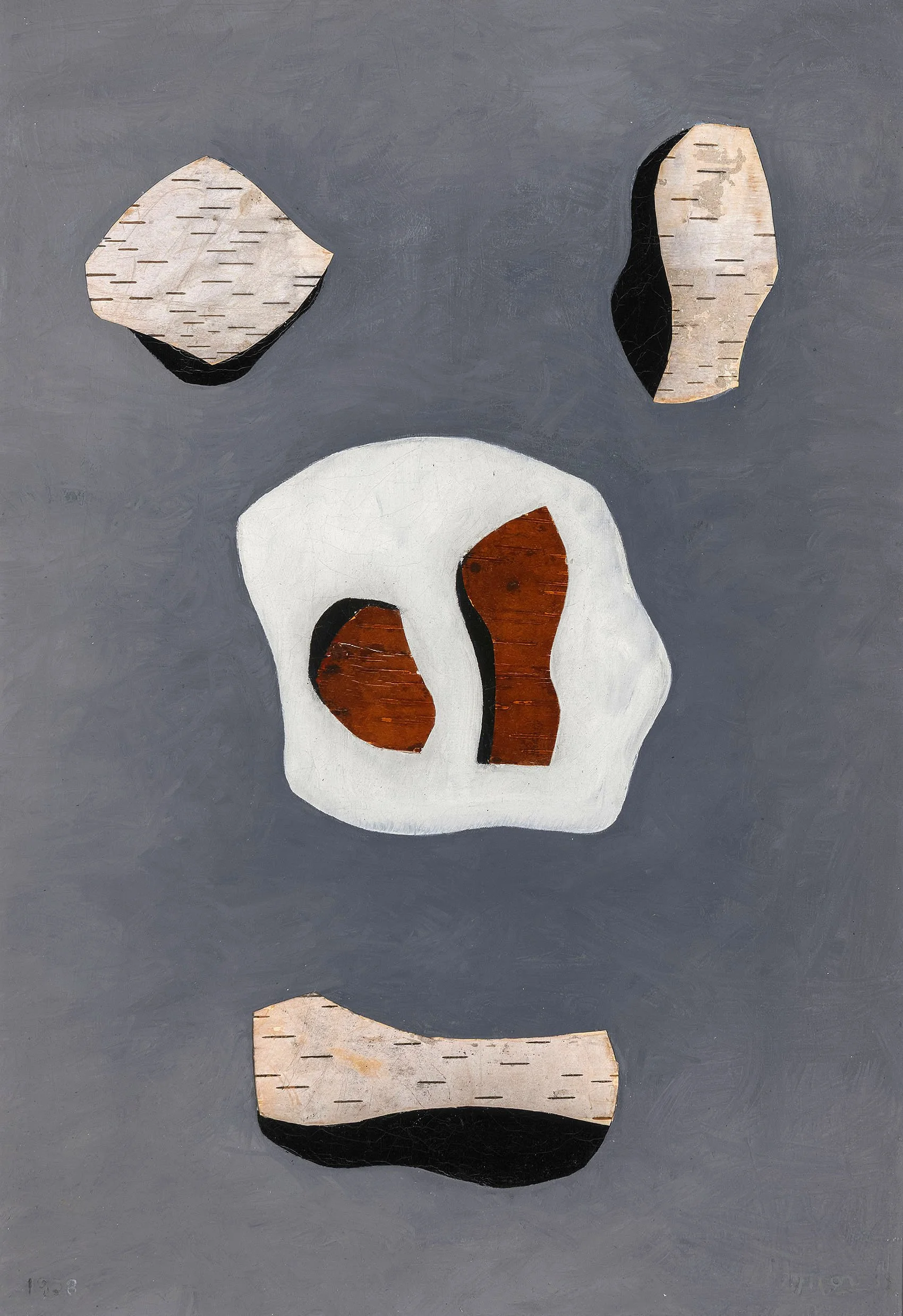
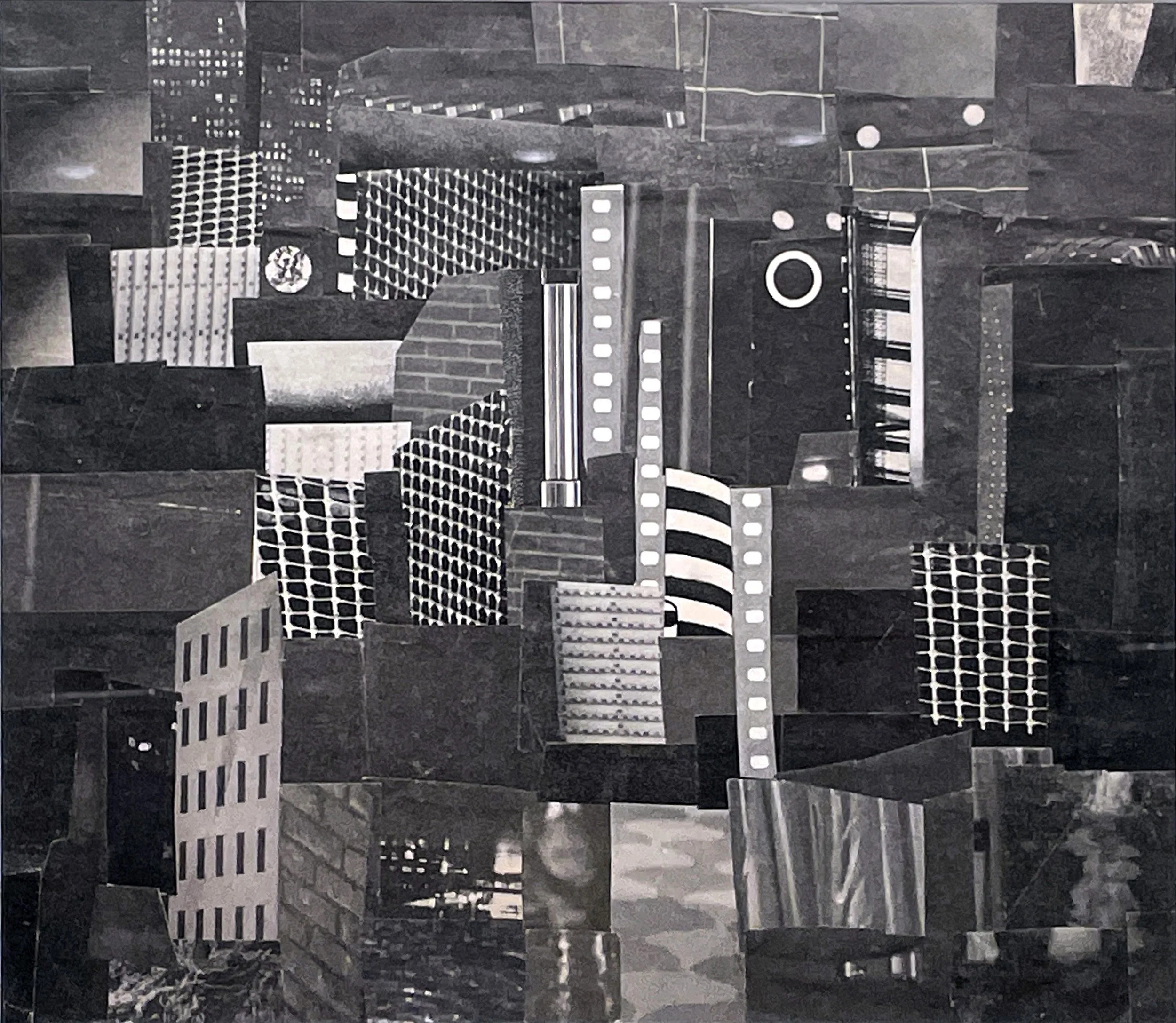
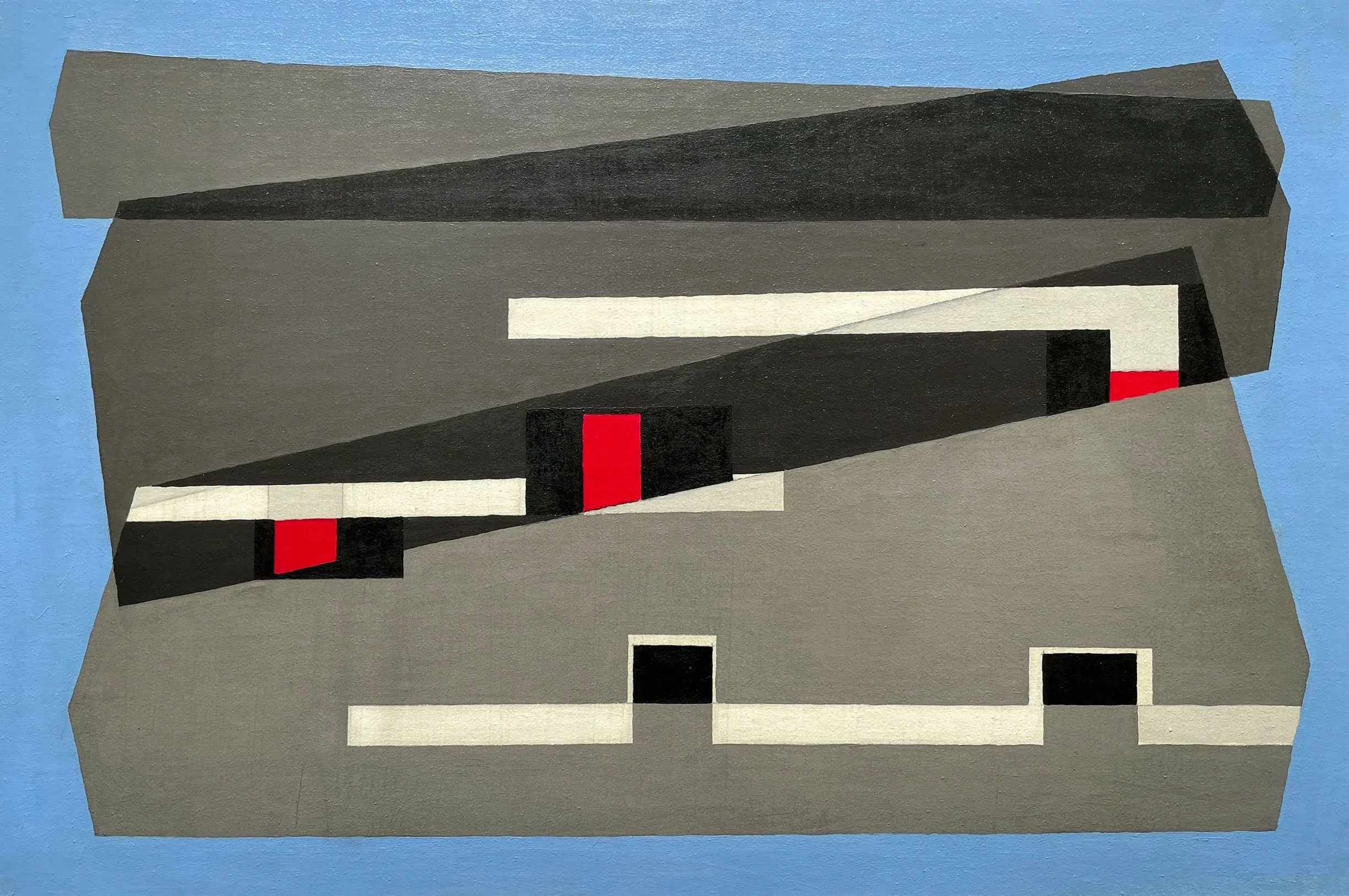
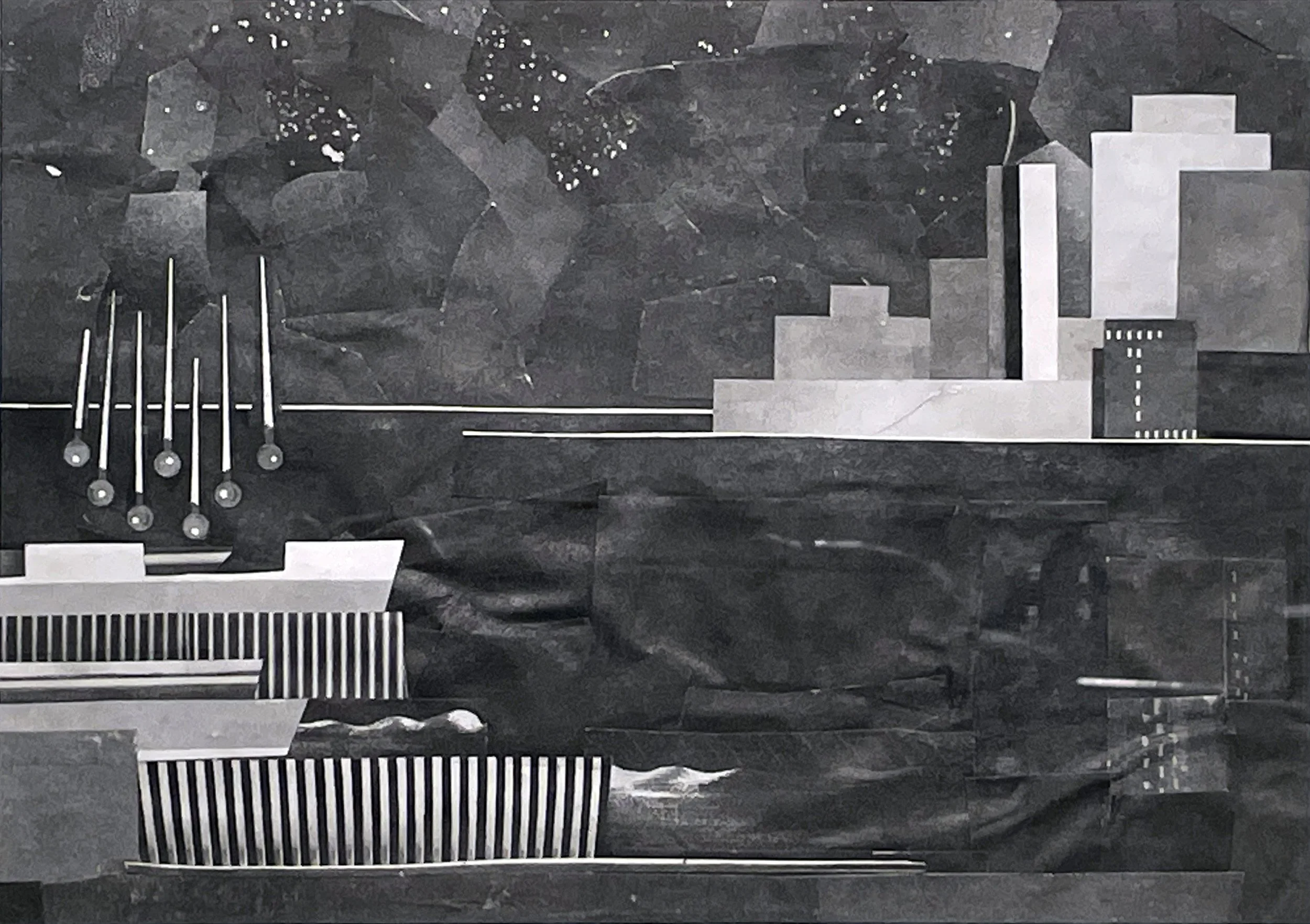
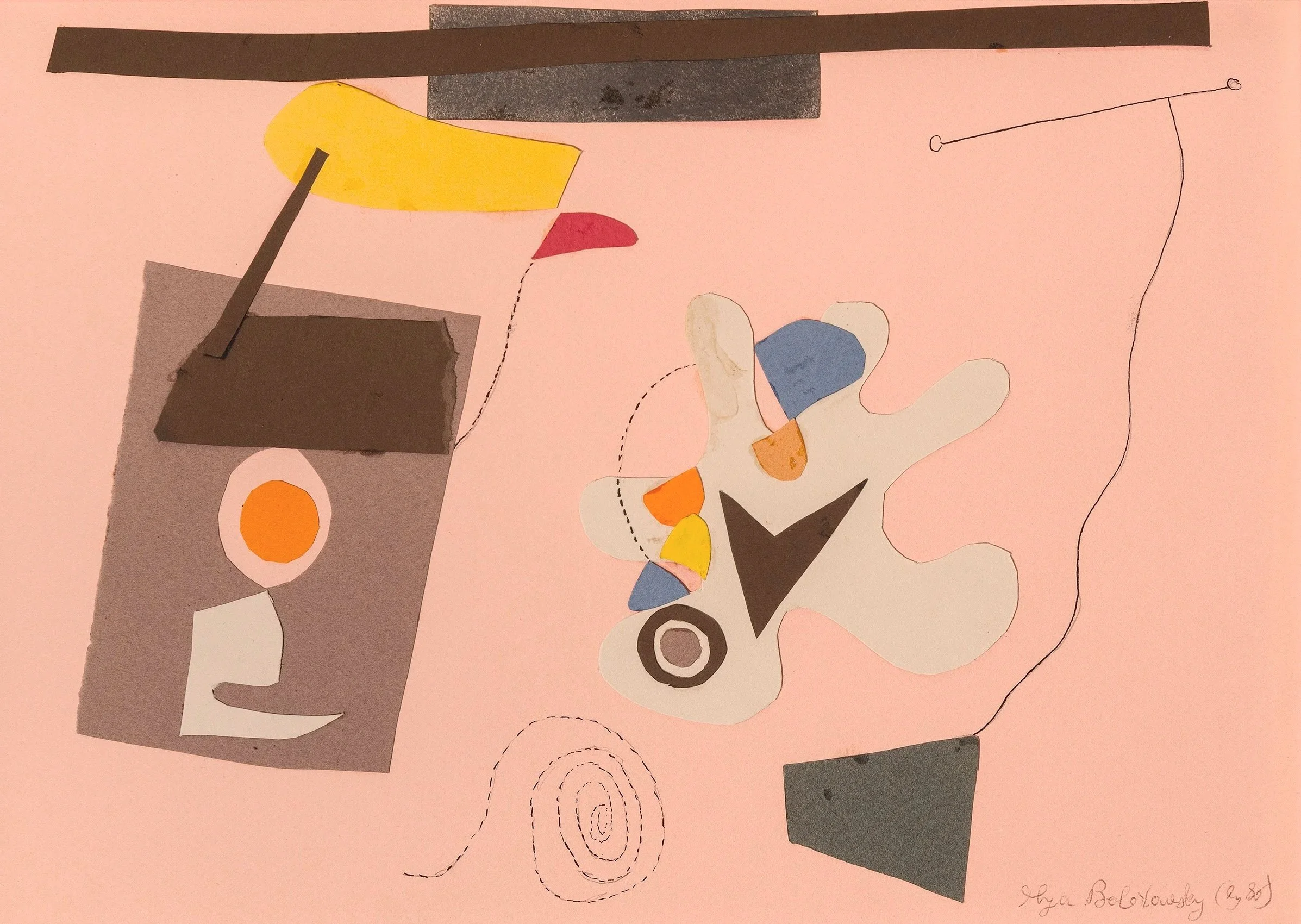
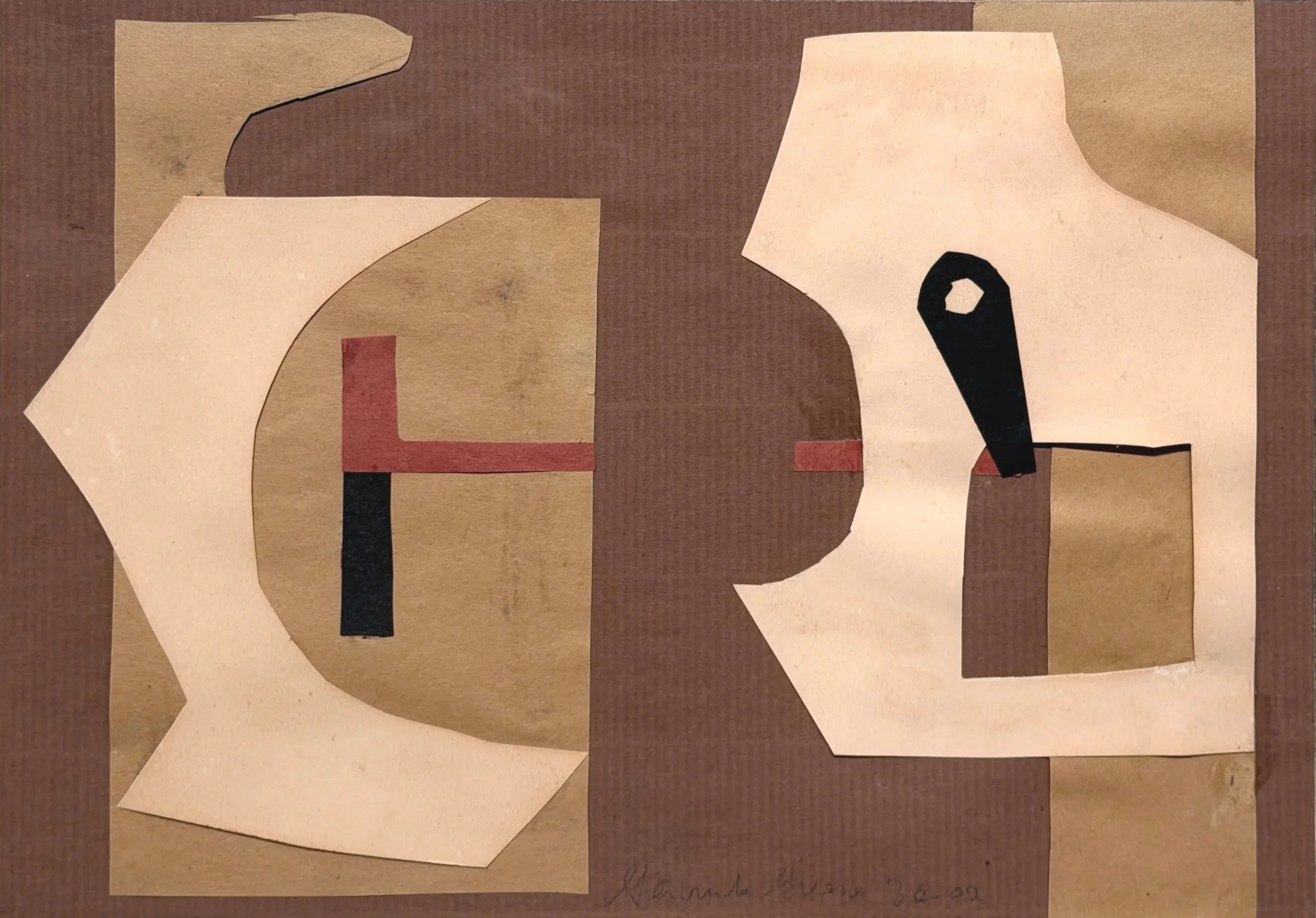

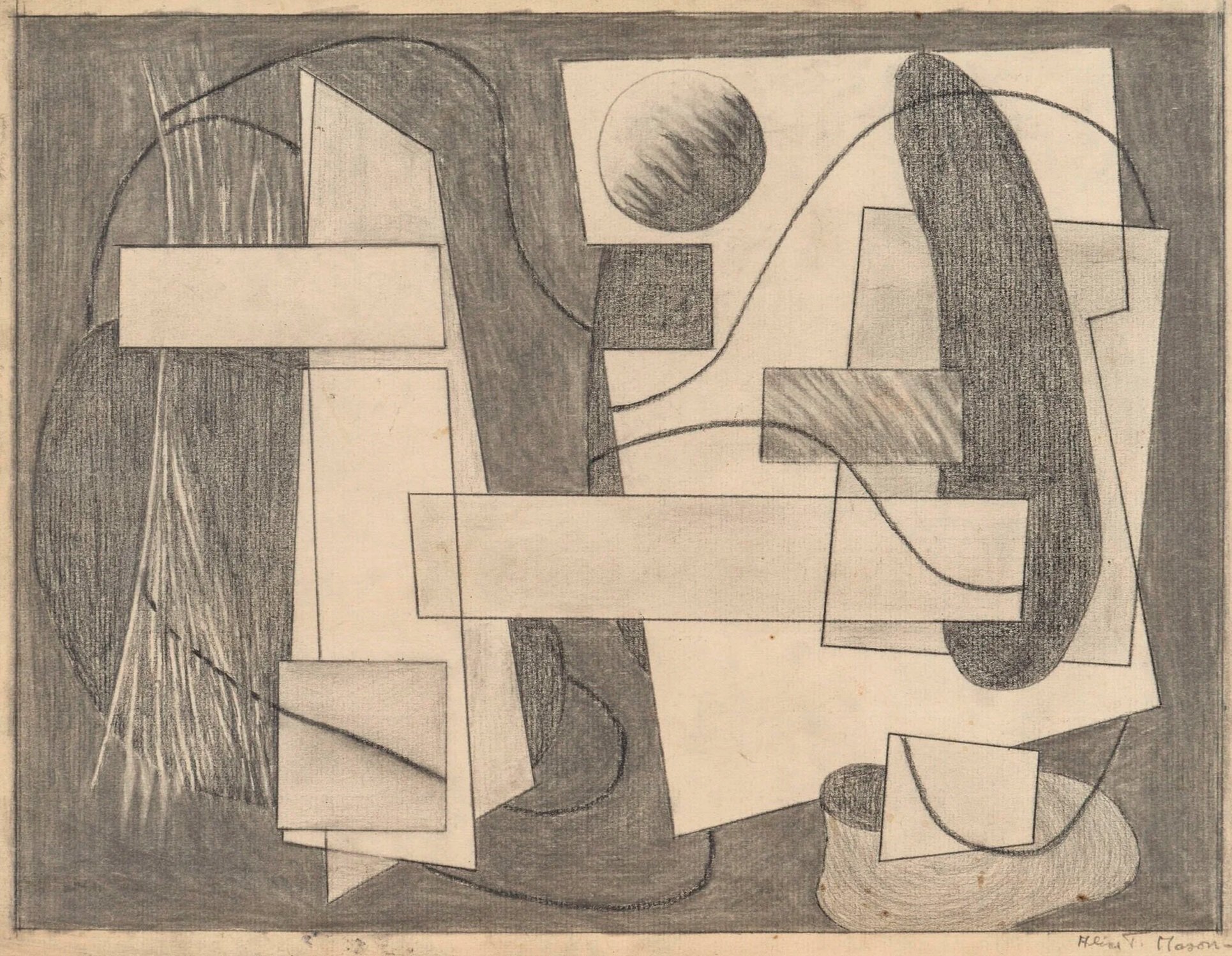
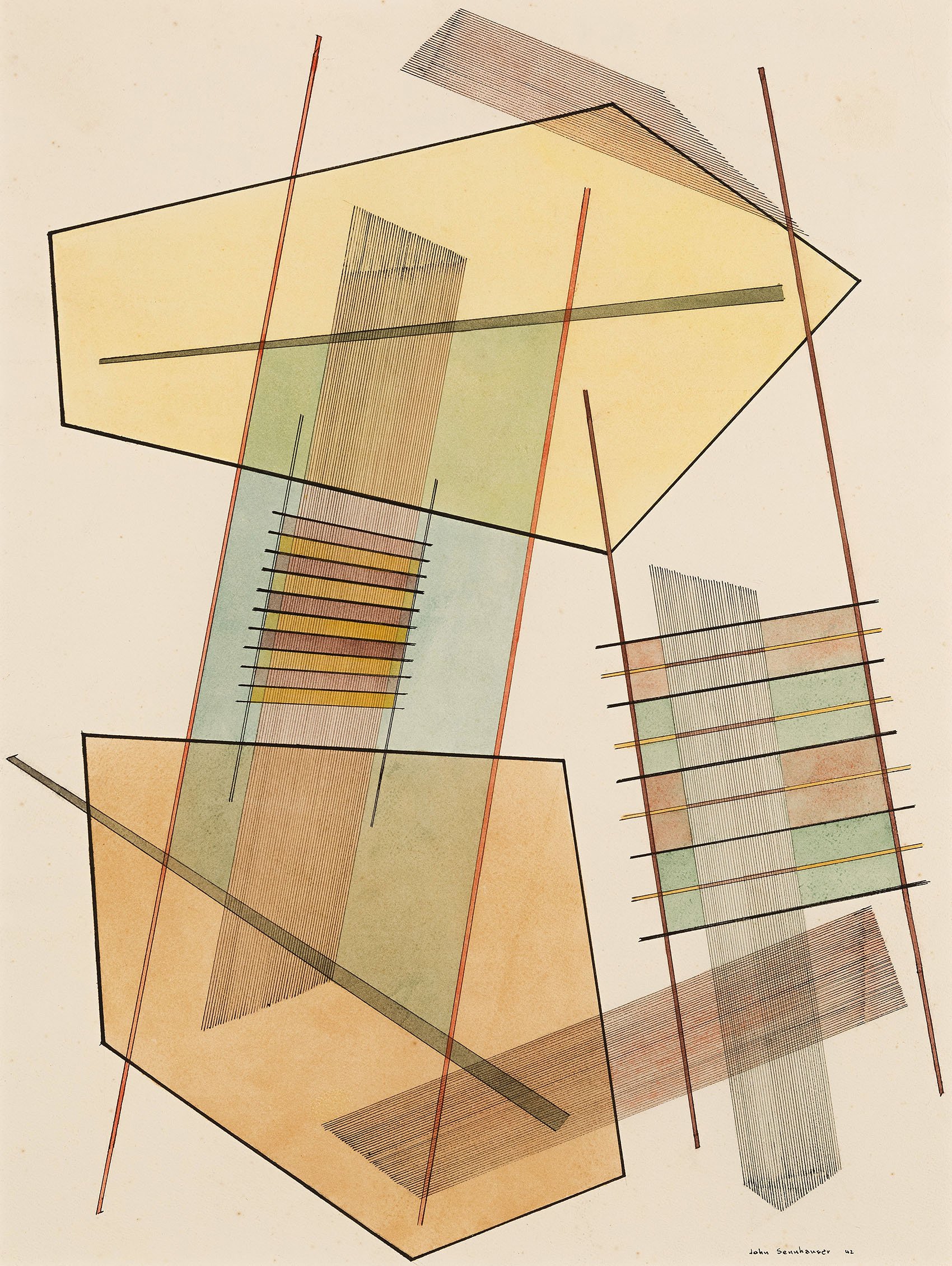
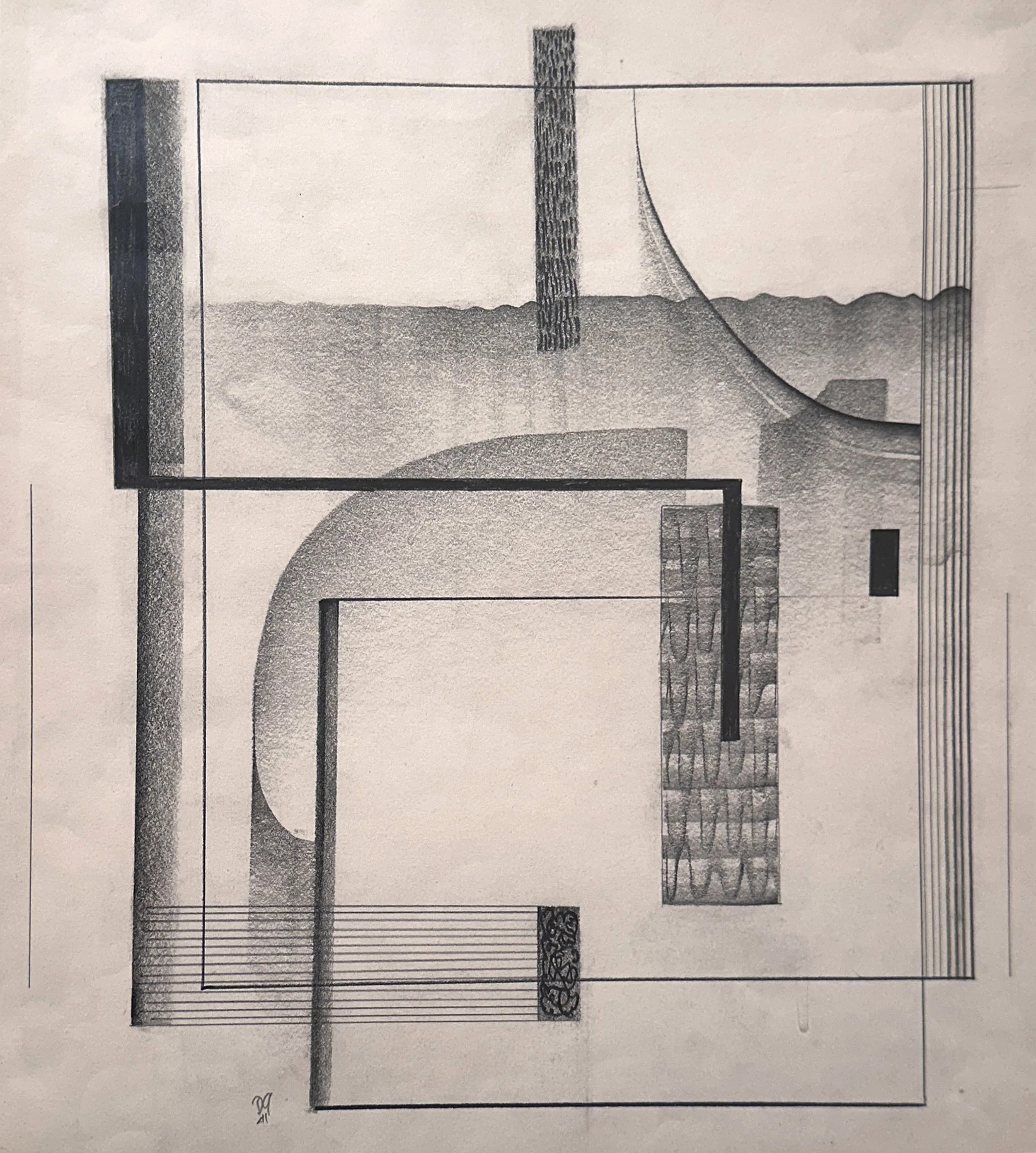
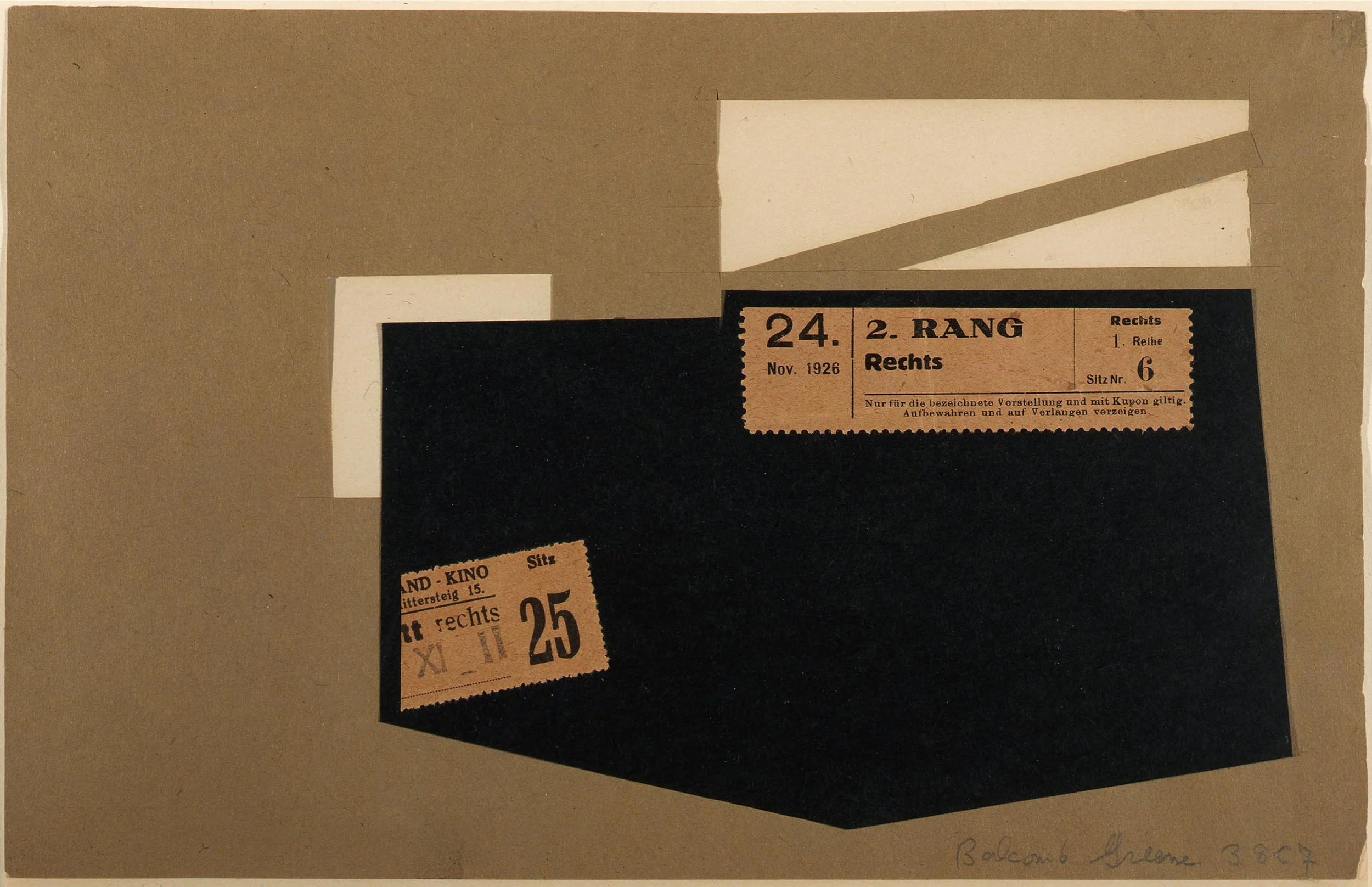
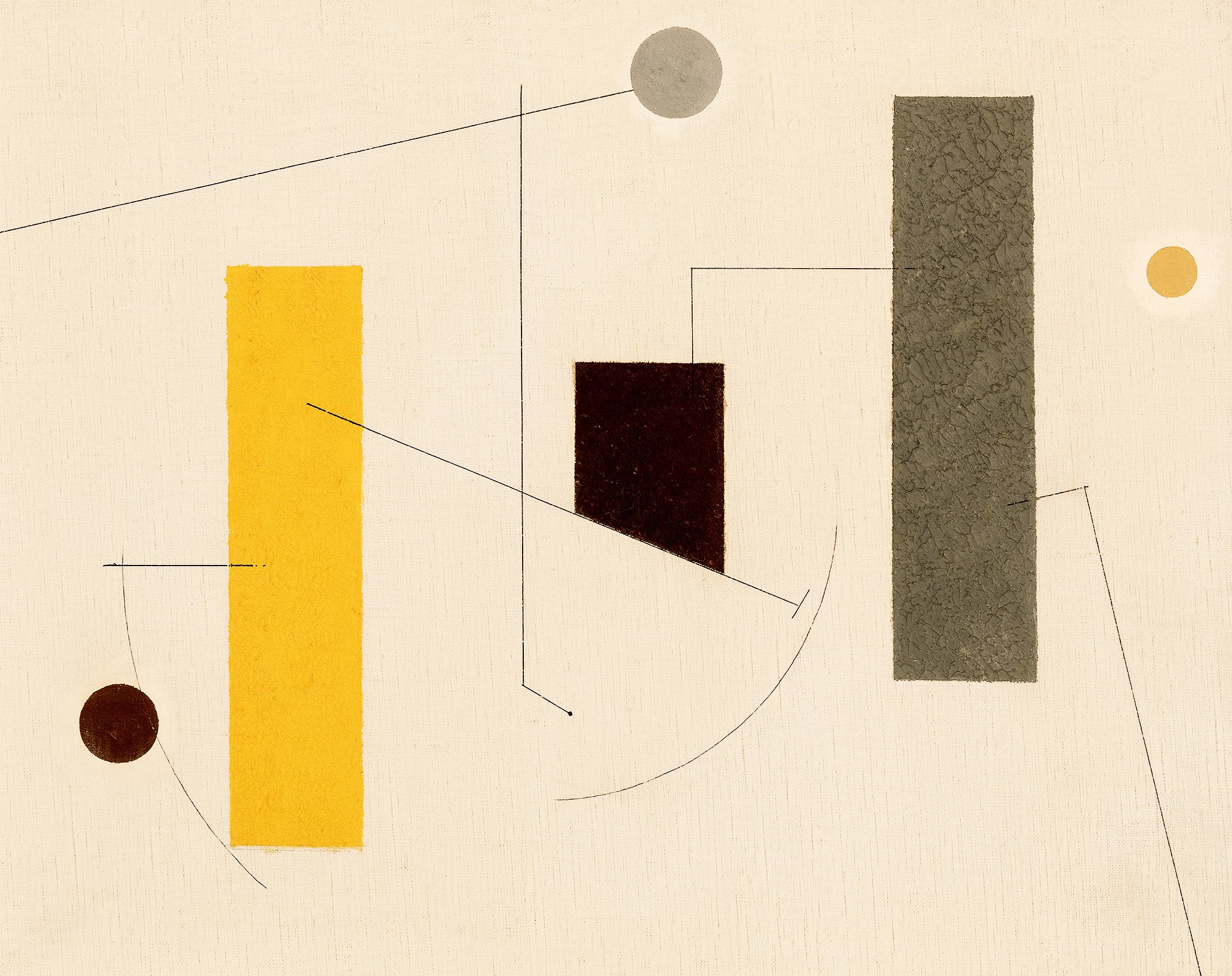
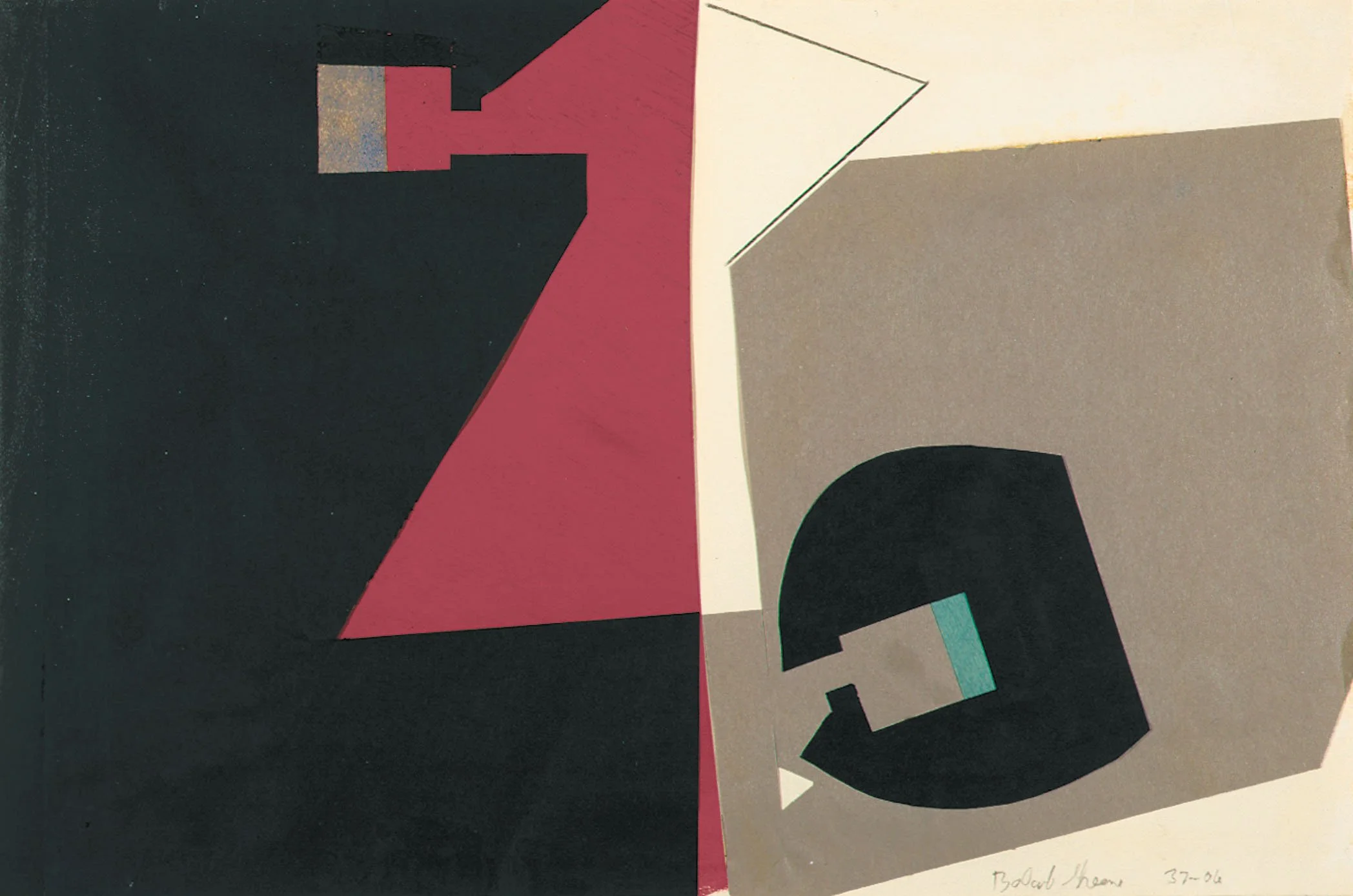
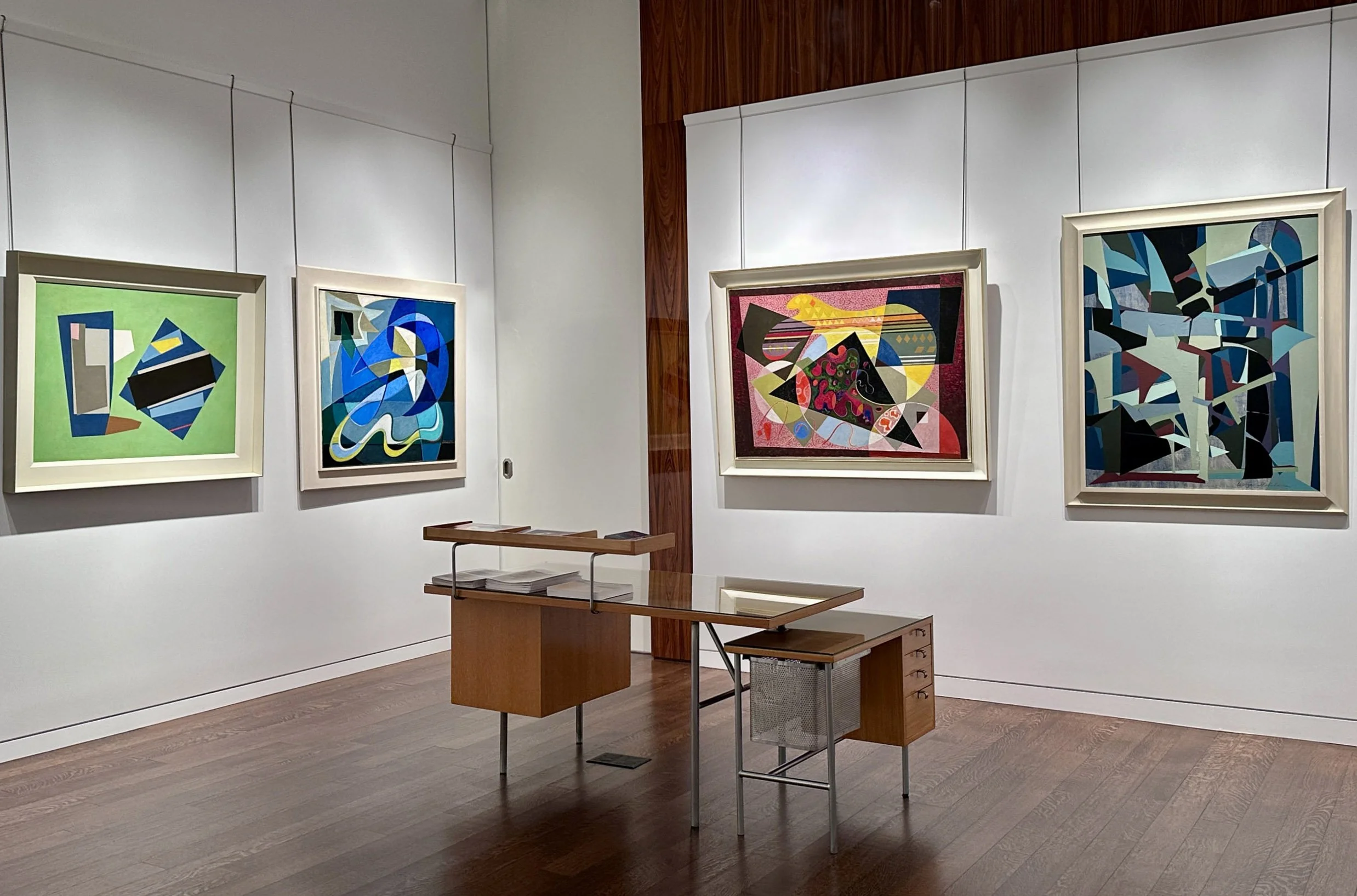
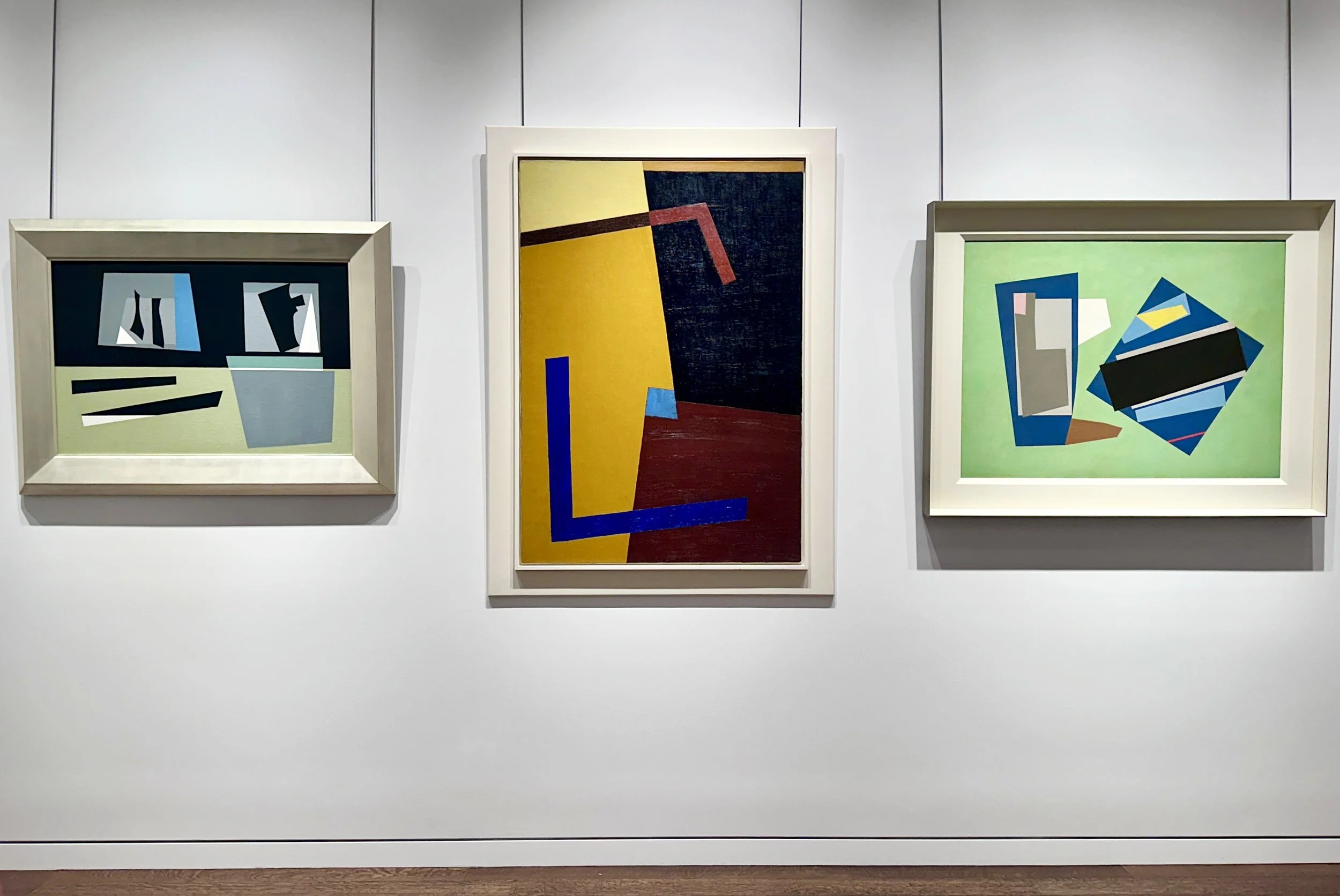
Installation Views
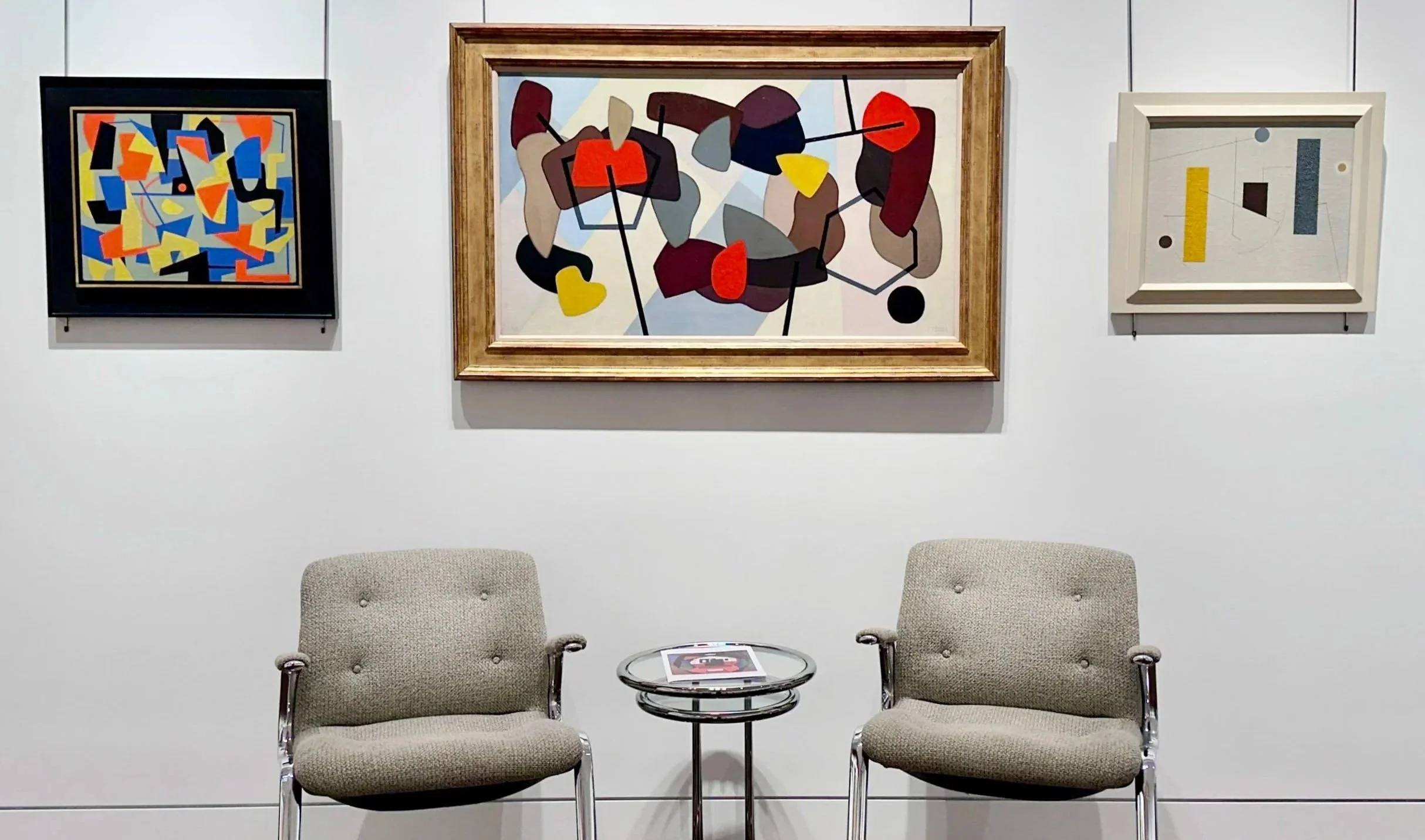
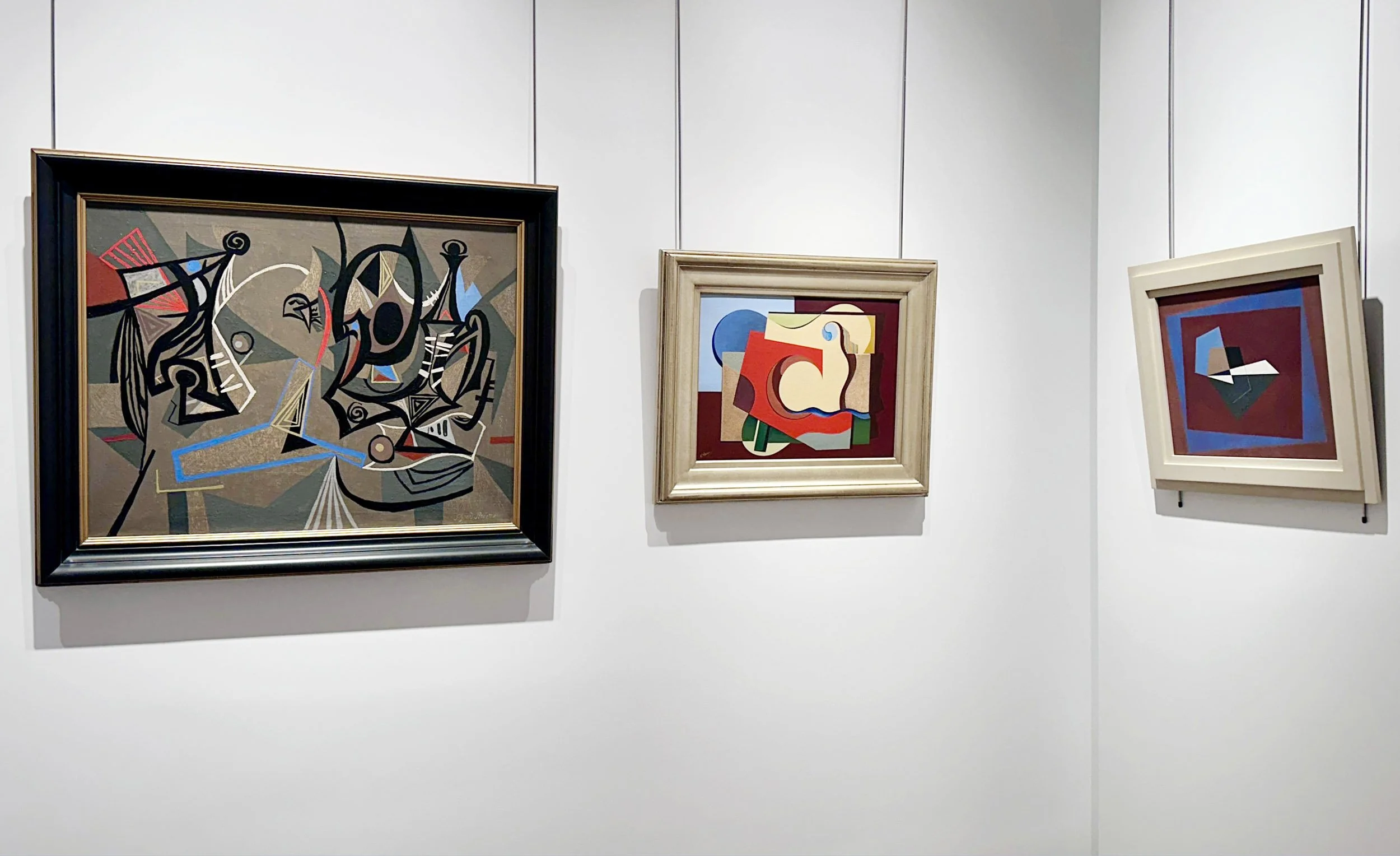
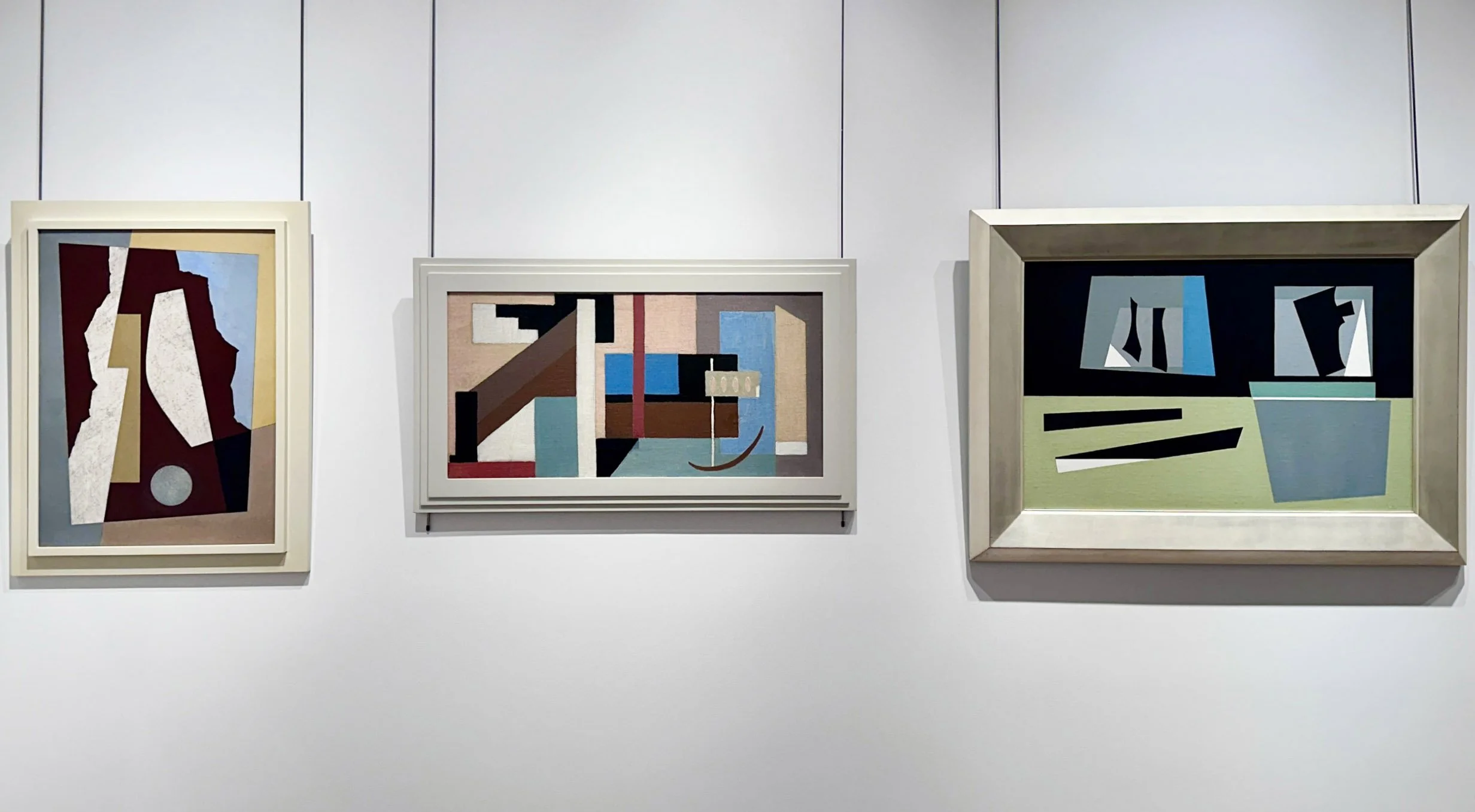
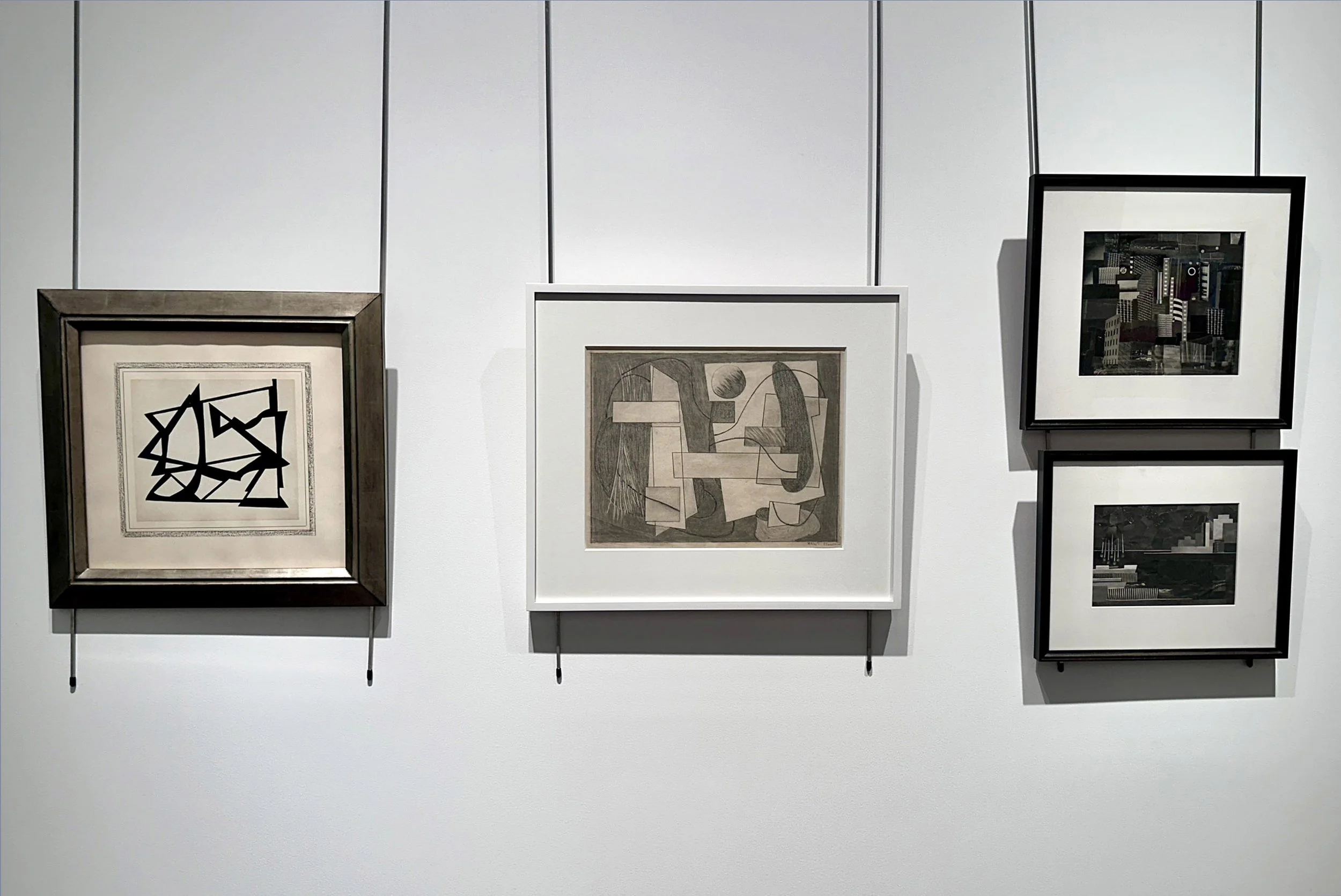
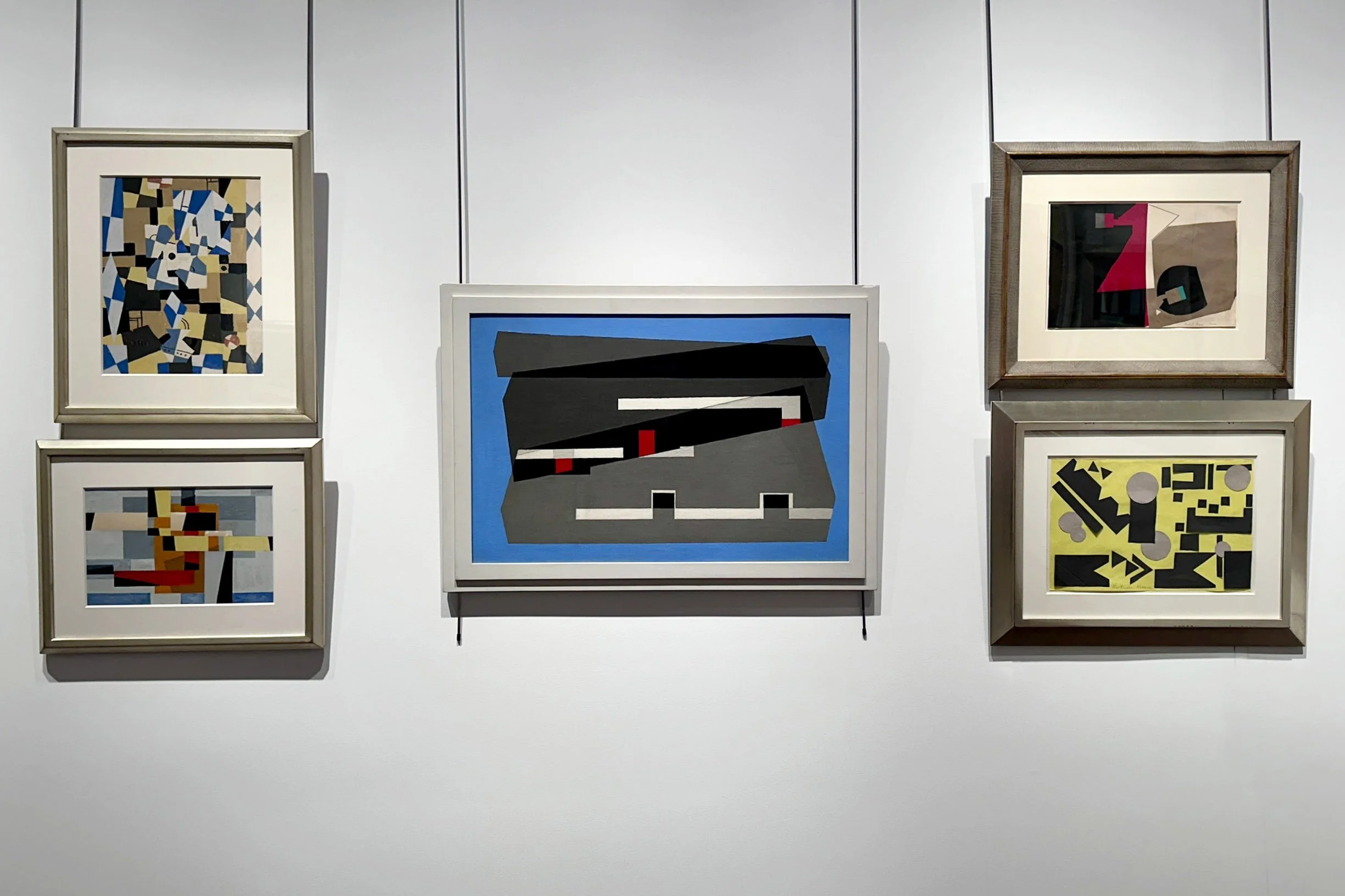
Essay by Emily Lenz
Introduction
The American Abstract Artists (AAA) celebrates their 90th anniversary this year. This group transformed the American approach to modernism and challenged prevailing aesthetic assumptions about what art should depict and represent. Founded in 1936 with their first exhibition in 1937, the AAA emerged as a response to American museums focusing on European modernism while dismissing domestic artistic innovation. What began as a reaction to institutional bias evolved into a diverse, influential collective that shaped the trajectory of American abstract art.
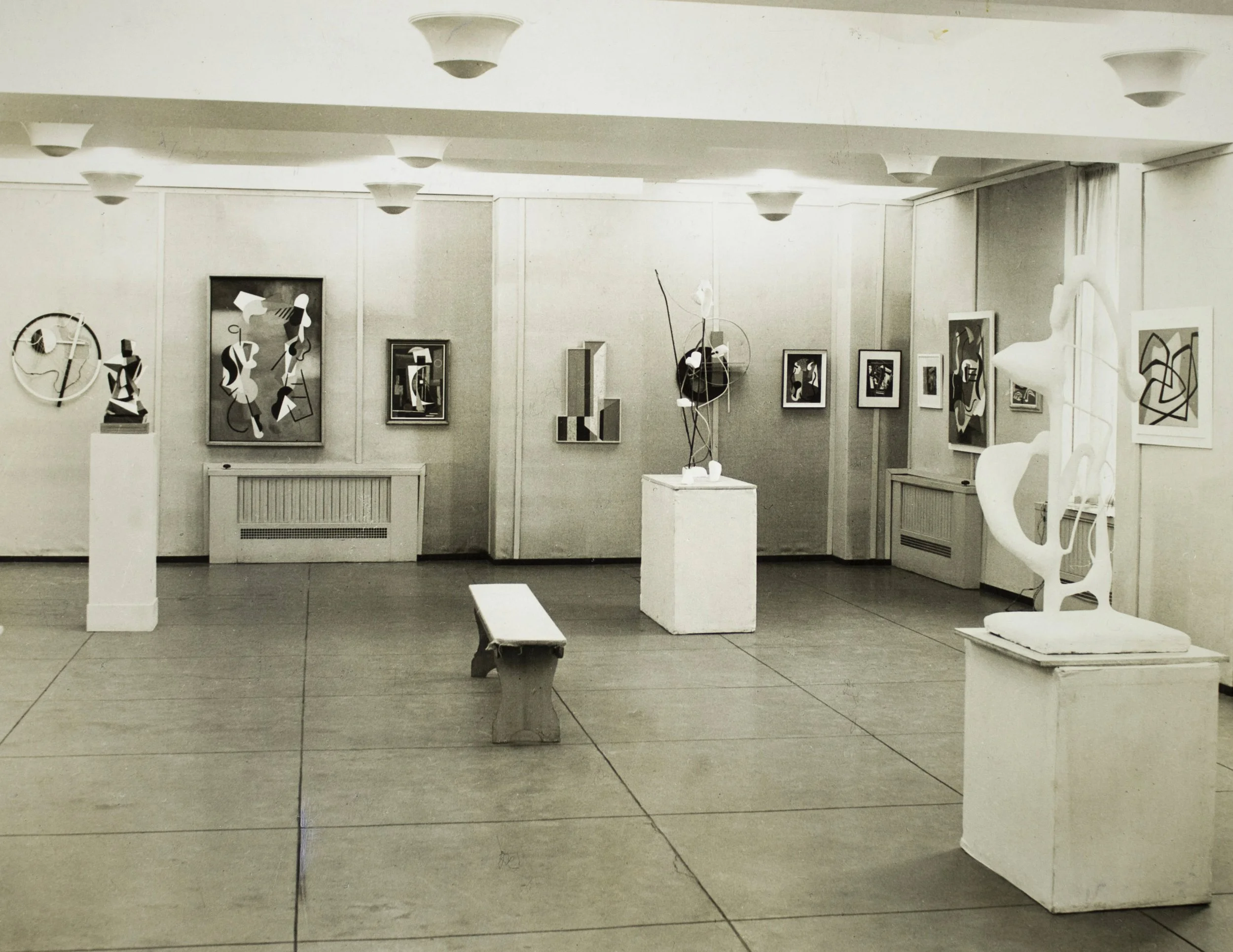
American Abstract Artists First Exhibition, 1937
The formation of the AAA developed over 1935 and 1936 as young abstract artists noted that museums showed European modernist movements while simultaneously promoting American Scene painting—a narrative representational style. By establishing a defined opponent in local art institutions, the group internally became quite broad in its definition of abstraction. Members needed only to share one principle: the creation of non-representational painting. This allowed tremendous diversity within the movement, enabling artists working in Synthetic Cubism, De Stijl, Constructivism, and other abstract approaches to exhibit together.
A Diverse Collective
The early membership of the AAA reflected remarkable diversity across multiple dimensions. The founding artists spanned a 35-year age range, from A. E. Gallatin, born in 1881, to Rosalind Bengelsdorf, born in 1916. This intergenerational composition meant that established figures mentored emerging talents while younger artists brought fresh perspectives to established practitioners. Some members, including Gallatin, Balcomb Greene, George L.K. Morris, and Alice Trumbull Mason, descended from long-established American families with social standing and financial security, while others, such as Ilya Bolotowsky and Esphyr Slobodkina, were relatively recent immigrants.
Geographic and educational backgrounds varied considerably as well. Many early members had studied in Europe, including Bolotowsky, Werner Drewes, Balcomb Greene, Harry Holtzman, Paul Kelpe, and John von Wicht, bringing direct exposure to European modernism. While younger artists such as Byron Browne, Ibram Lassaw, Alice T. Mason, Ad Reinhardt, Louis Schanker, and David Smith received their artistic training exclusively in American art schools. Coming together, this group created a fertile intellectual environment where different abstract styles could be synthesized and reinterpreted in a particularly American way.
Influential Teachers
The development of abstract art in America relied heavily on several transformative teachers who introduced new methodologies and exposed American artists to modernist principles. Jan Matulka, Stuart Davis, and Abraham Walkowitz served as crucial bridges between European modernism and American artistic practice. Matulka's classes at the Art Students League from 1929 to 1931 profoundly influenced future AAA members including David Smith, Irene Rice Pereira, Dorothy Dehner, Leo Lances, and George McNeil, demonstrating how teaching could nurture abstraction in America.
Hans Hofmann was perhaps the most significant pedagogical influence on early AAA members. Arriving in New York in 1932, Hofmann’s teaching method emphasized color relationships inspired by Matisse and complex compositions taken from Cubist structural principles. Hofmann taught at the Art Students League beginning in fall 1932 and established his own school in 1933, he then opened a popular summer program in Provincetown, Massachusetts in 1934.
Vaclav Vytlacil played a crucial connecting role, having studied with Hofmann in Munich in the early 1920s, along with Carl Holty. When Vytlacil returned to the US to teach at the Art Students League in 1928, he paved the way for Hofmann's subsequent teaching positions in both New York and Berkeley, California. It is because of Vytlacil’s teaching at UC Berkeley in 1928-29 and summers at the California College of Arts and Crafts in 1934-36 that early members including Dorothy Joralemon and Janet Todd Young (both featured in our exhibition) joined AAA in 1938 and 1939 respectively.
While many AAA artists appreciated Hofmann's innovative teaching, most ultimately pursued more geometric approaches than his expressive, nature-connected style. When Burgoyne Diller and Harry Holtzman encountered Piet Mondrian's Composition with Blue and Yellow (1932) at A. E. Gallatin's Gallery of Living Art in 1934, they became committed to Neoplasticism. Demonstrating how direct exposure to European masterworks could redirect artistic development more definitively than influential teaching.
A. E. Gallatin's Gallery of Living Art
A. E. Gallatin's Gallery of Living Art, founded in 1927 on the New York University campus and renamed the Museum of Living Art in 1936, served as an incubator for American abstract art. Located within the university library, the gallery provided free access to European modernism for New York artists, many of whom had studios nearby.
What was on view at the Gallery of Living Art was almost exclusively selected by A. E. Gallatin. He acquired multiple works by Juan Gris, whose Synthetic Cubist approach was more approachable than the earlier Analytical Cubism of Picasso and Braque. By 1933, Gallatin's collection included six excellent examples of Gris's work. Gradually, Gallatin shifted his acquisitions toward non-objective art, acquiring paintings by Mondrian and works by Constructivists including Lissitzky. His collection essentially narrated the evolution from Cézanne through Cubism to 1930s non-objective abstraction. German Expressionism and Fauvism were excluded.
Gallatin's taste essentially shaped the taste of early AAA members, explaining why the 1939 annual exhibition eliminated expressionist-style works from the installation. Most AAA artists progressed from Synthetic Cubism's flat shapes and collage-like patterns toward geometric works exploring shapes, color, depth and transparency without clear representational reference.
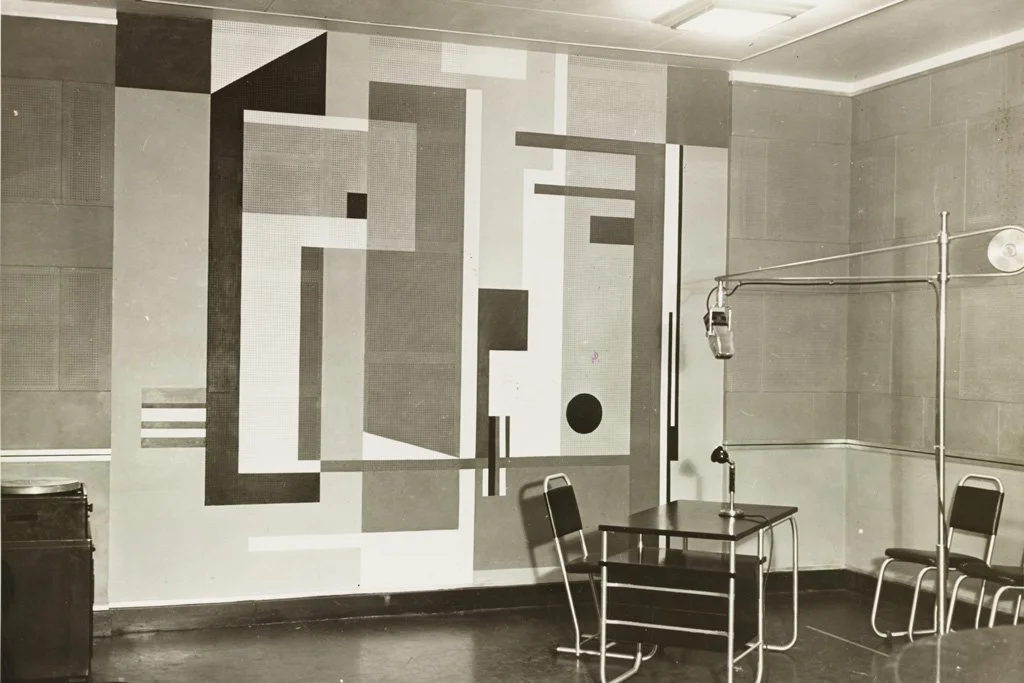
Byron Browne mural at WNYC Radio Station, 1939
(Image: Federal Art Project, Archives of American Art)
The WPA Federal Art Project
The Works Progress Administration's Federal Art Project, established during the Roosevelt administration, proved supportive of abstract art. New York's WPA/FAP mural division, established in 1935 and led by young abstract artist Burgoyne Diller with assistance from Harry Holtzman, became a haven for modernist painters seeking economic security during the Depression.
Recognizing that his abstract painting under the Public Works of Art Program (1933-1934) might lead to his getting fired, Diller strategically moved into administrative positions. Diller quickly became head of the New York City Mural Division which allowed him to help abstract artists secure employment and develop substantial mural projects. Overall the NYC Mural Division produced 200 of the 2,500 murals executed nationwide through the WPA/FAP program, with New York's contributions going primarily into public schools and hospitals overseen by the Municipal Art Commission. This program was need-based unlike the Treasury Department’s Section program of mural commissions for post offices and new federal buildings. Those were selected by federal committees through competition. None of the Section’s murals were abstract.
40 of New York's WPA murals were classified as "modernist," including abstract, semi-abstract, surrealist, and photomural work. Five major projects specifically featured abstraction. Arshile Gorky's Newark Airport murals (1935-1937) pioneered this direction, followed by the Williamsburg Housing Project (1936) featuring works by Bolotowsky, Greene, Kelpe, and Swinden—now housed in the Brooklyn Museum. WNYC Radio Studios opened in 1939 with abstract murals by Byron Browne, Stuart Davis, Lee Krasner, Louis Schanker, and John von Wicht. For the 1939 World's Fair, Diller oversaw additional abstract murals by Bolotowsky, Browne, Greene, and Schanker.
Beyond employment, the WPA created community among abstract artists during economic hardship. Many future AAA members exhibited their WPA studies in the 1936 exhibition New Horizons in American Art at the Museum of Modern Art, organized by WPA director Holger Cahill. The program's need-based structure meant that only one household member could participate. This caused some artists to delay marriage strategically such as Bengelsdorf and Browne, while other marriages ended like Bolotowsky and Slobodkina.
International Connections
American Abstract Artists did not develop in isolation but maintained vital connections to European modernist movements. The Parisian group Abstraction-Création (1931-1935) , founded partly to counter Surrealism's representational aspects, united diverse artists around avoiding recognizable imagery. American members included Alexander Calder, Carl Holty, John Ferren, and Harry Holtzman, creating transatlantic networks that enriched both communities. When Abstraction-Création dispersed in 1936 as war approached and artists returned to their home countries, Jean Arp, Sophia Tauber-Arp, Gallatin, and Morris continued the movement's mission through the publication Plastique. The standing of the AAA increased as major European artists relocated to America. Josef Albers exhibited regularly with the AAA since its founding. Laszlo Moholy-Nagy became a member in 1939 until his death in 1946. Piet Mondrian joined the AAA in November 1940 shortly after arriving in New York and Fernand Léger joined in early 1941. Their participation validated the group's commitment to abstraction and elevated its standing in the New York art world.
Early Exhibitions
The American Abstract Artists mounted their first formal exhibition in April 1937 at the Squibb Galleries on Fifth Avenue. The exhibition generated coverage from major art critics, who were generally dismissive. Nevertheless, the exhibition attracted 1,500 visitors during its two-week run. The members felt the exhibition was a success because it created a stir and got people talking about American abstraction. In 1938, the annual exhibition brought 7000 visitors to New York and the group put together an exhibition that traveled across the country to Seattle, San Francisco, Kansas City, and Milwaukee. The 1939 exhibition held at the Riverside Museum included 250 works by 53 members.
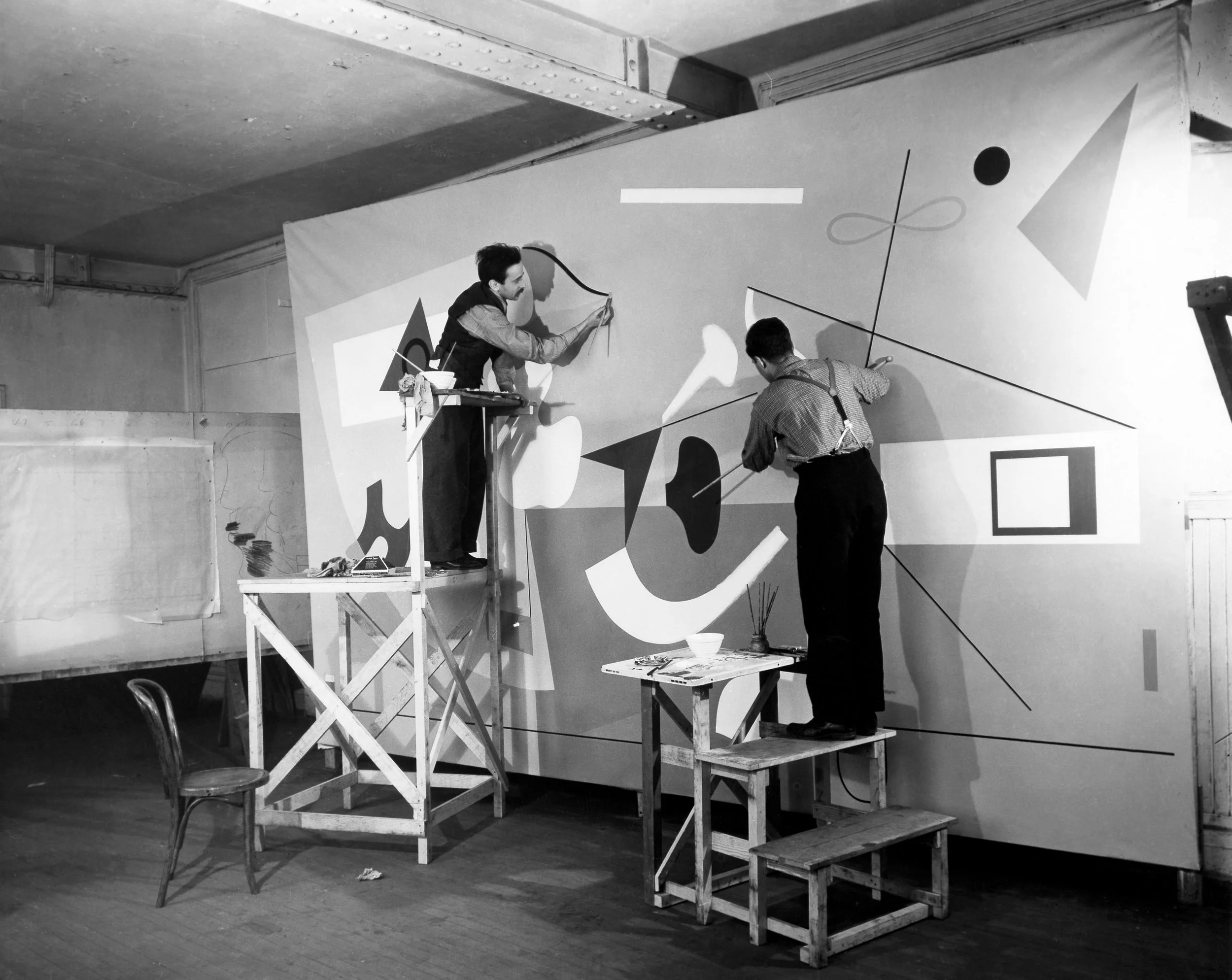
Ilya Bolotowsky and assistant work on mural for 1939 World’s Fair (Image: Federal Art Project Papers, Archives of American Art)
The New York World's Fair and Beyond
The American Abstract Artists' participation in the 1939-1940 New York World's Fair was another landmark for public displays of abstract art. The Fair included 1200 works selected from a pool of 25,000 from 36 states. Six AAA members were represented: Byron Browne, Balcomb Greene, Carl Holty, George McNeil, George L. K. Morris, and Jean Xceron. Additionally, four AAA members (Bolotowsky, Browne, Greene, and Louis Schanker) contributed murals to the Public Health Building.
The 1940 WPA exhibition at the World’s Fair's Contemporary Arts Building had rotating exhibitions from numerous artistic organizations. Starting June 20, 1940, the American Abstract Artists had an exhibition lasting three weeks there. Ibram Lassaw and Charles Green Shaw collaborated on a moving sculpture using pullies for the exhibition. Sketches in both artists’ archives survive, but photographs of the exhibition or sculpture have yet to appear.
Legacy
Beyond their immediate achievements, the American Abstract Artists influenced subsequent institutional recognition of American abstraction. The Museum of Non-Objective Painting (the future Guggenheim Museum). opened in 1939. The museum’s director, Hilla Rebay included American abstract artists in her changing exhibitions. The first exhibition was Irene Rice Pereira and Balcomb and Gertrude Greene. Charles Green Shaw and Alice Trumbull Mason received solo exhibitions. Many AAA members held jobs at the early museum or received stipends for art materials. In 1942 Helena Rubenstein’s New Art Center held a fundraiser for the Red Cross with the exhibition Masters of Abstract Art which put AAA members alongside Picasso, Gris, Klee, and Malevich.
When A.E. Gallatin was asked to remove his collection from the NYU library in 1943, the Philadelphia Museum gladly took the collection. Gallatin persuaded the Philadelphia Museum to do an exhibition titled Eight by Eight, American Abstract Painting since 1940. The exhibition included works by Bolotowsky, Frelinghuysen, Gallatin, Mason, Morris, Reinhardt, Shaw, and Slobodkina.
The relationship between the AAA and MoMA was not as fraught as the group’s 1940 protest outside MoMA makes it seem. Alfred H. Barr Jr., MoMA's director, recommended five AAA female members to Peggy Guggenheim for her 1943 exhibition 31 Women Artists. Of the five recommended, Suzy Frelinghuysen, Irene Rice Pereira, and Esphyr Slobodkina were included in that exhibition alongside Surrealists. When MoMA presented Abstract Painting and Sculpture in America in 1951 the exhibition included AAA members Browne, Cavallon, Diller, Ferren, Gallatin, Greene (Balcomb and Gertrude), Holty, Lassaw, McNeil, Morris, Pereira, Reinhardt, Shaw, and David Smith.
The American Abstract Artists demonstrated that American modernism synthesized international styles into distinctly American expressions. By insisting on abstraction's validity during a period of institutional skepticism, supporting members through economic hardship, and creating exhibition opportunities, the AAA established the foundation upon which American abstract art could flourish. Their 90-year legacy continues to inspire ongoing debates about abstraction's purpose ensuring the movement's relevance to contemporary artistic discourse.
[ TOP ]
Modernism 1913-1950 | Realism of the 1930s and 1940s | Abstraction of the 1930s and 1940s | Post-War | Selected Biographies