May 2 - July 13, 2012
Press release | Some works may still be available, please contact the gallery at 212-581-1657.
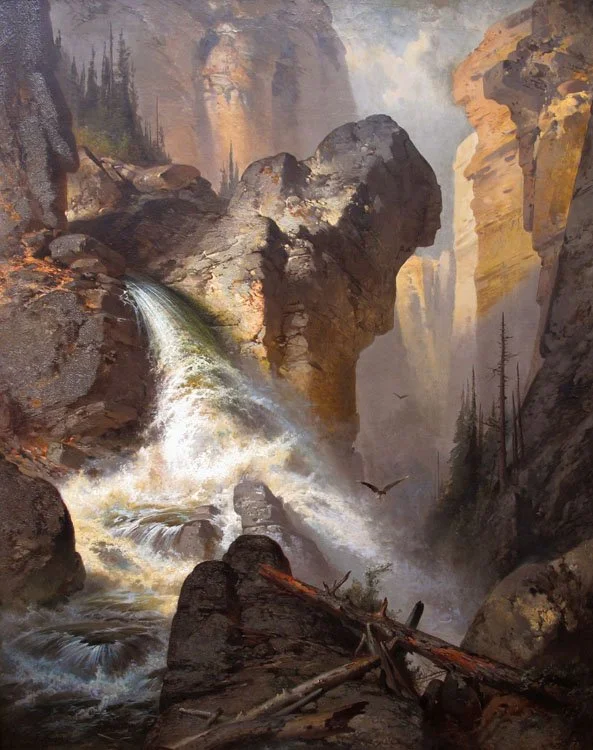
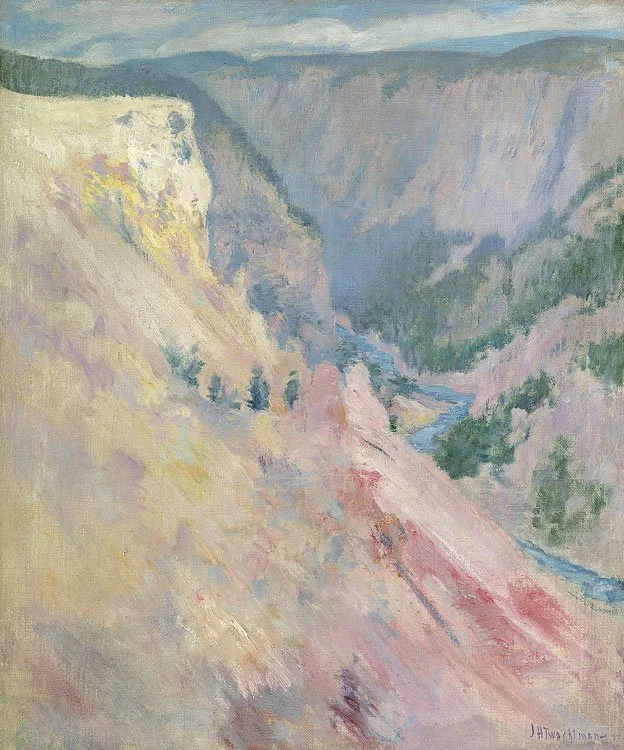
Black Canyon, Colorado River, 1876
50 x 40 inches
framed: 57 1/2 x 47 3/4 inches
oil on canvas
signed and dated lower right
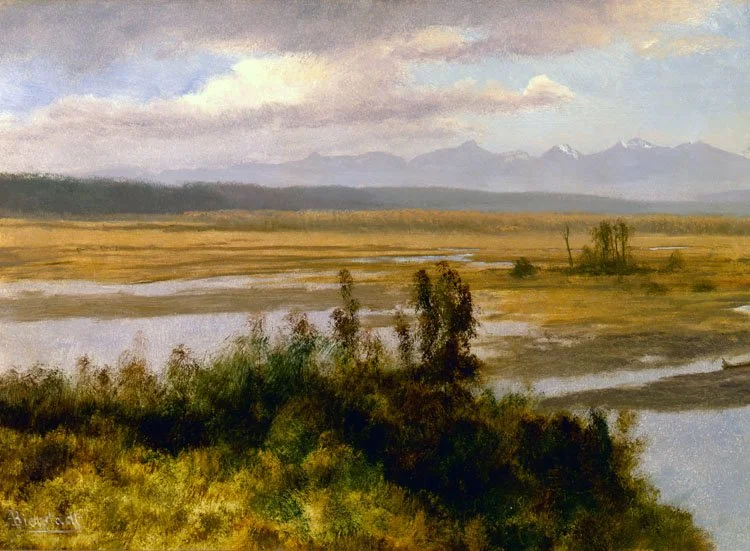
Wind River Country, Wyoming, 1857
13 1/2 x 19 inches
framed: 21 1/2 x 27 inches
oil on paper
signed lower left
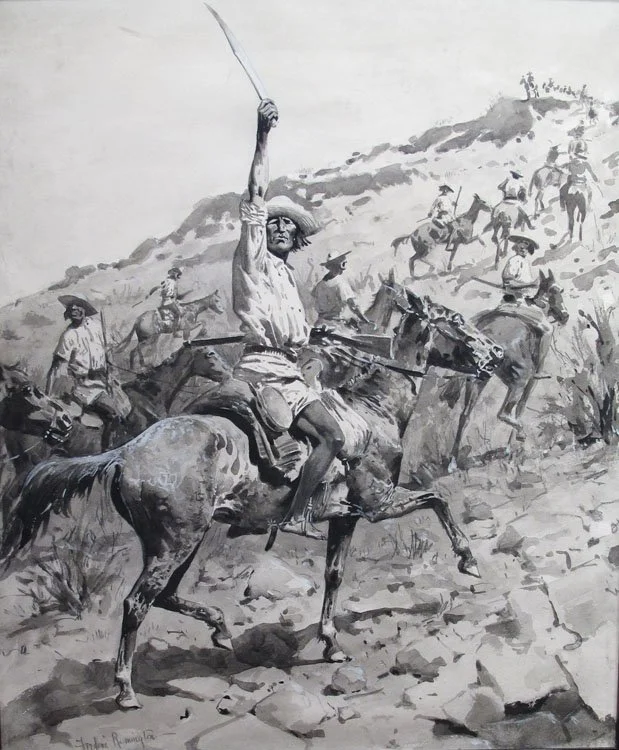
Uprising of the Yaqui Indians, 1896
27 x 22 inches
framed: 32 3/4 x 28 1/4 inches
ink wash on paper
signed lower left
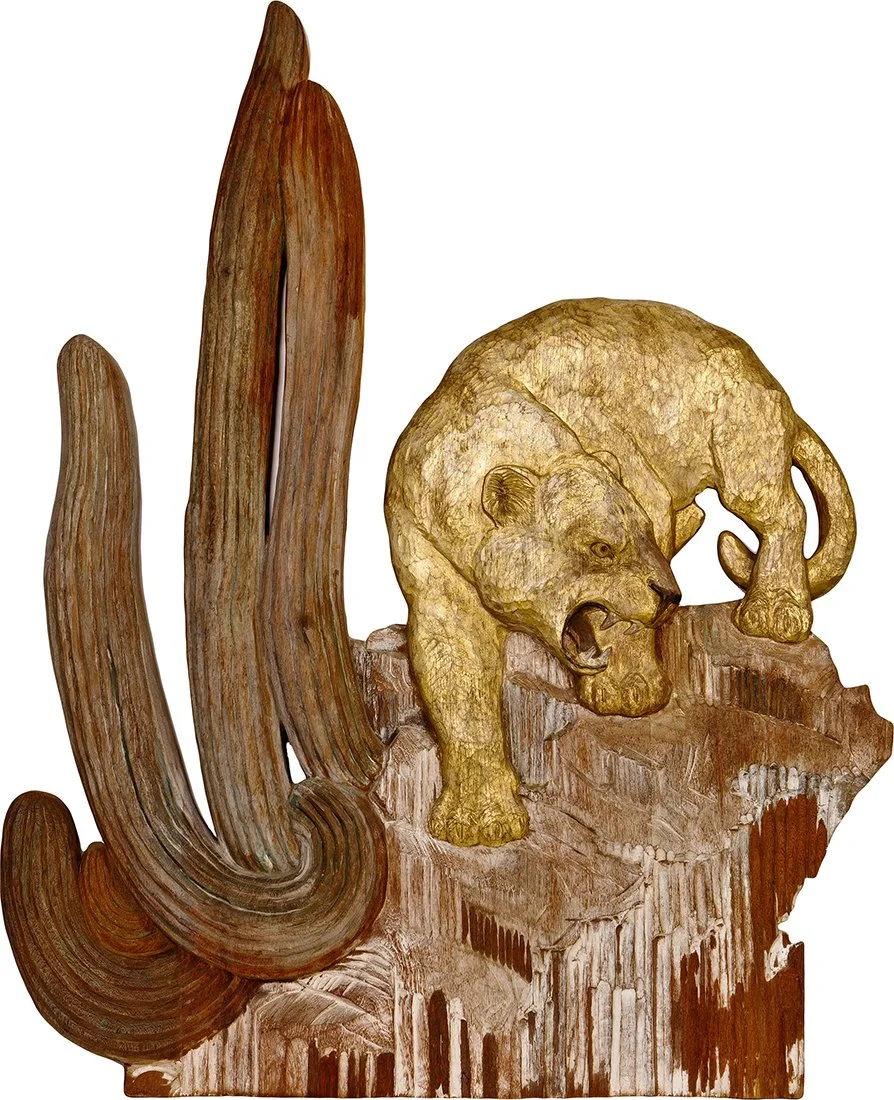
Confronted Mountain Lion, c.1920-1921
41 1/4 x 33 x 1 3/4 inches
shaped carved redwood panel with gilding
Thunder Bird, 1925
34 1/4 x 28 1/4 inches
oil on canvas
signed and dated lower left
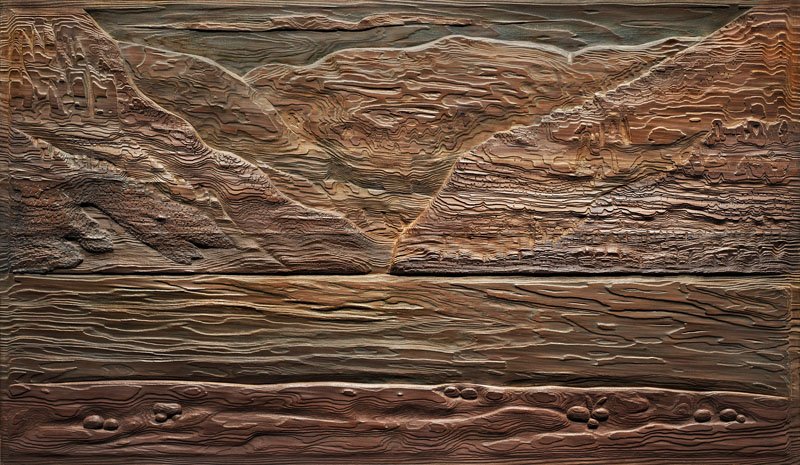
Lake Scene Panel, James Culbertson House, Pasadena, California, 1907
31 x 53 1/2 inches
redwood panel
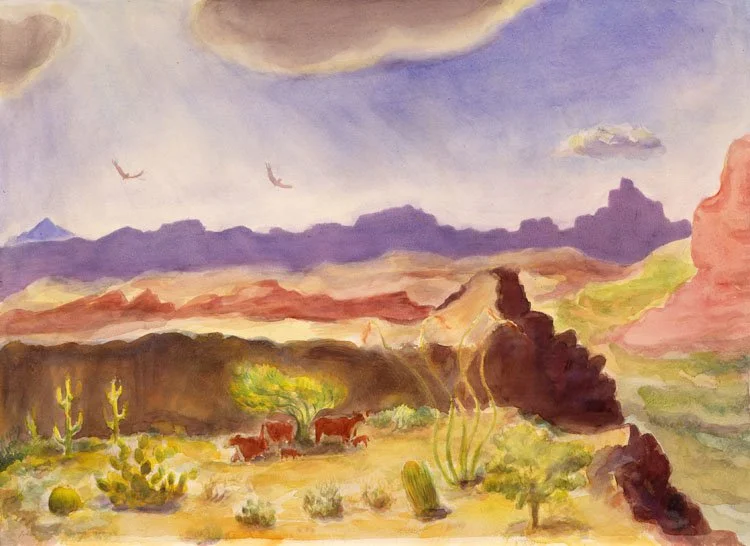
Hot Afternoon
20 x 30 inches
framed: 30 7/8 x 39 3/4 inches
watercolor on paper
signed lower left
Arizona Landscape, 1940
21 1/2 x 29 1/2 inches
framed: 30 1/2 x 38 3/4 inches
watercolor on paper
signed and dated lower left in pencil
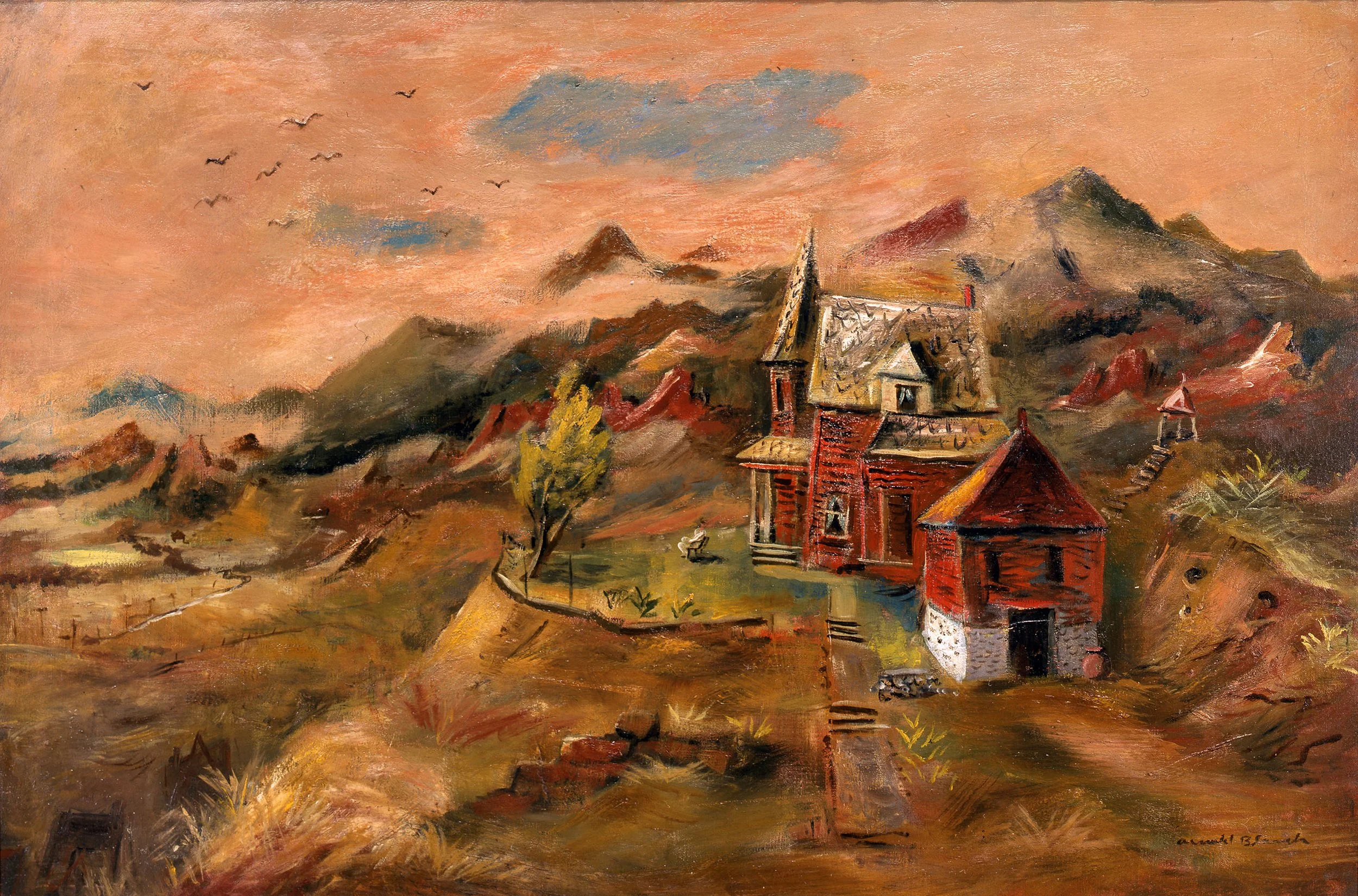
California Goldmine, 1933
20 x 24 inches
framed: 23 1/8 x 27 inches
oil on canvas
signed lower right
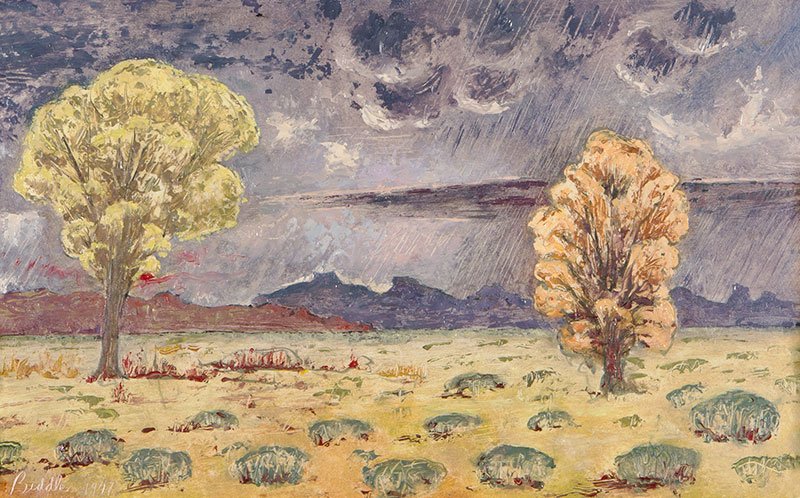
Mesquite and Sycamore, Valley of the Virgin River, Utah, 1947
10 x 16 inches
oil on board
signed and dated lower left
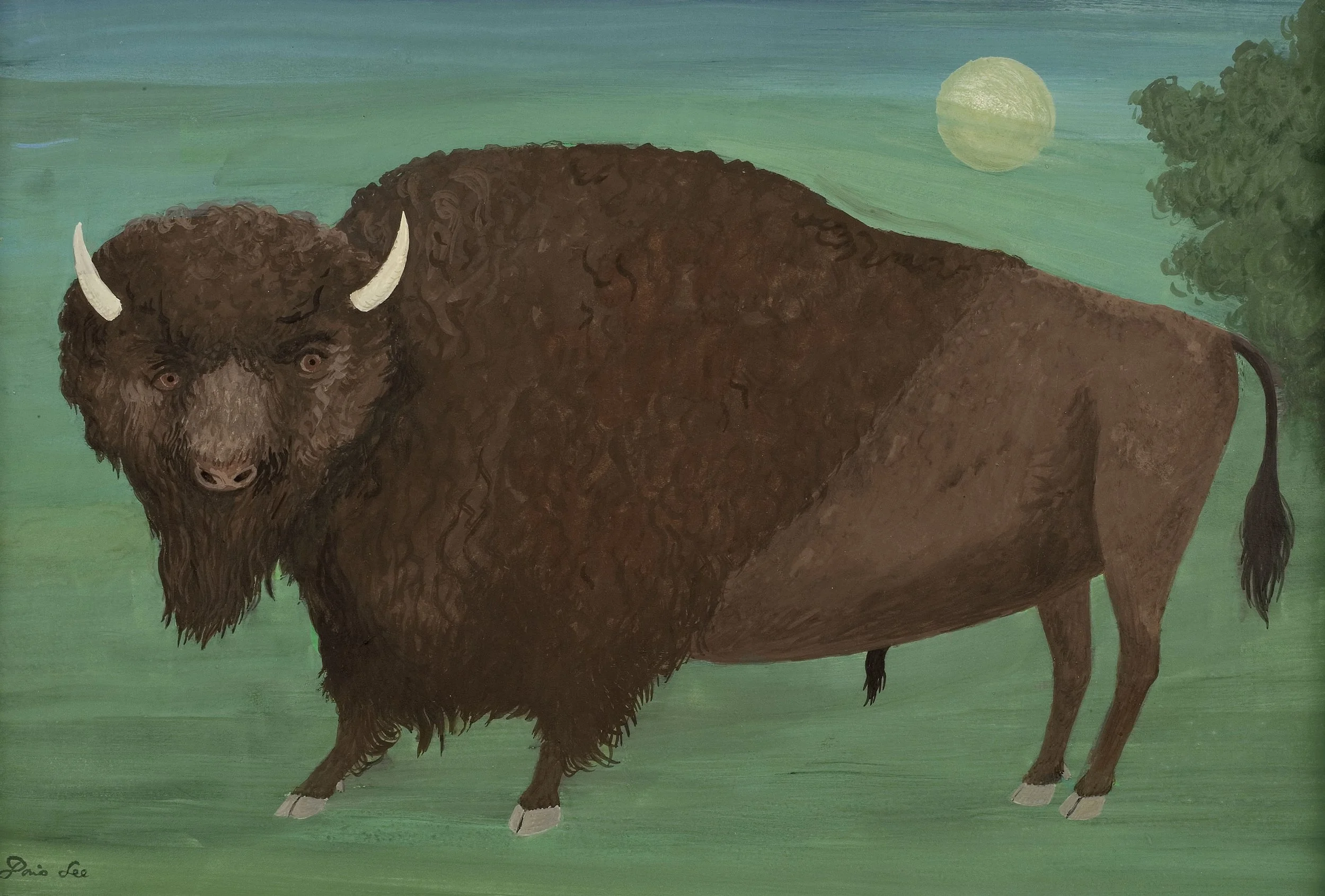
Buffalo, Colorado Springs
11 1/2 x 17 1/4 inches
framed: 18 1/2 x 24 inches
gouache on artist board
estate stamped lower left
The Abyss, 1942
8 1/8 x 12 1/4 inches
framed: 15 3/4 x 19 3/4 inches
gouache on paper
signed and dated lower left
titled lower left
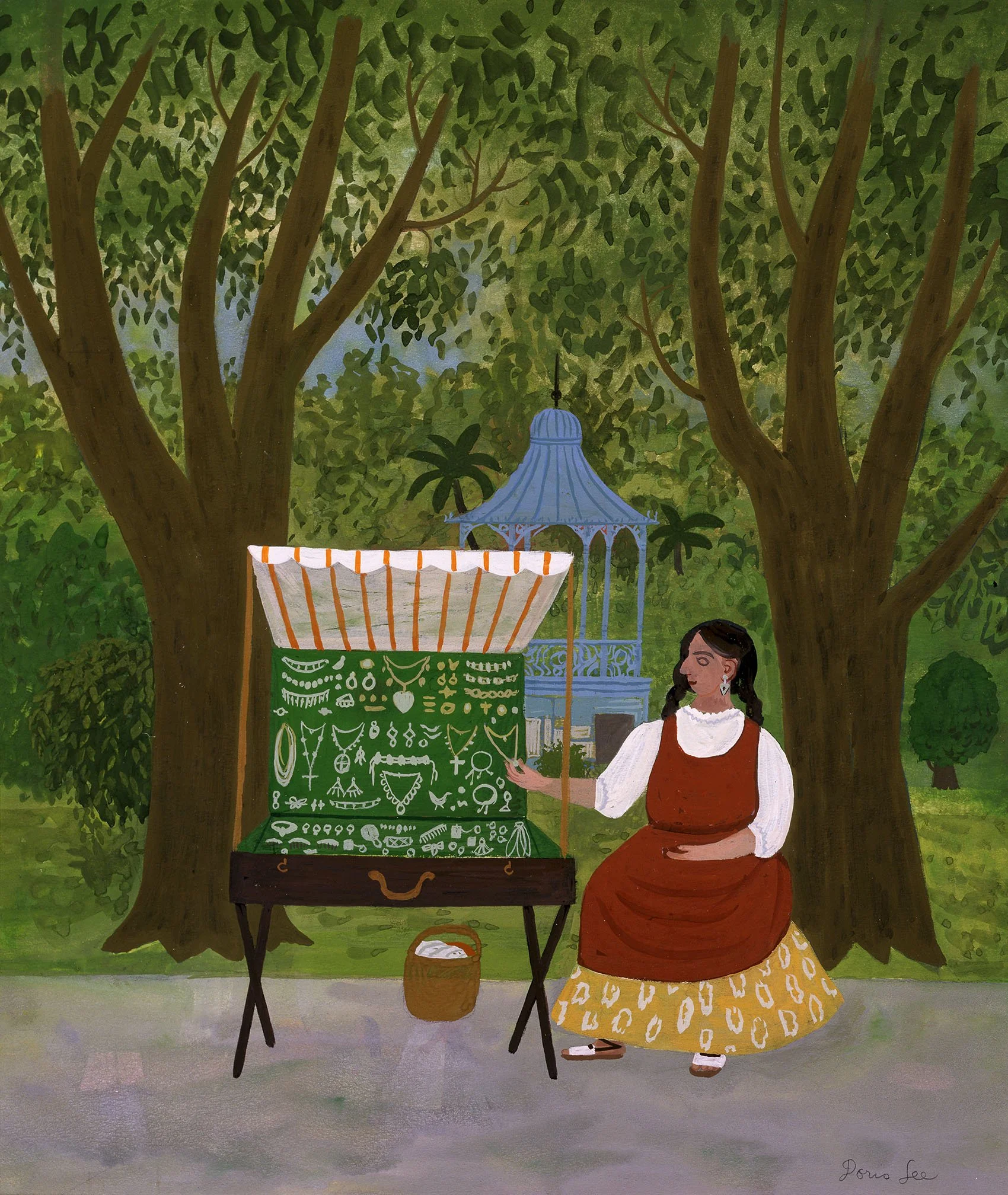
Cuernavaca Silver Vendor
13 1/4 x 11 1/2 inches
framed: 19 3/4 x 18 1/8 inches
gouache on paper
signed lower right
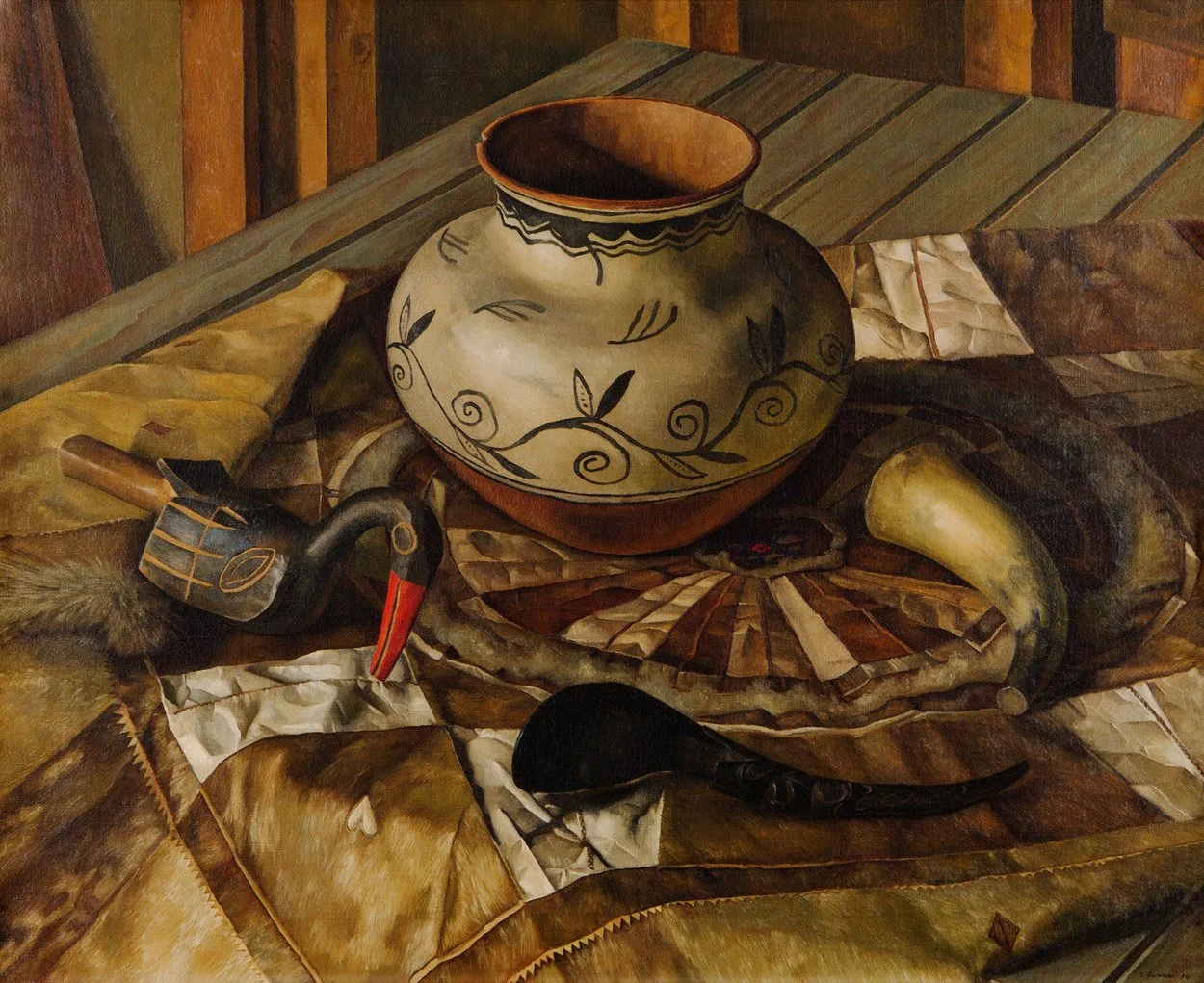
Americana, 1930
21 1/4 x 26 inches
framed: 29 1/4 x 34 inches
oil on canvas
signed and dated lower right
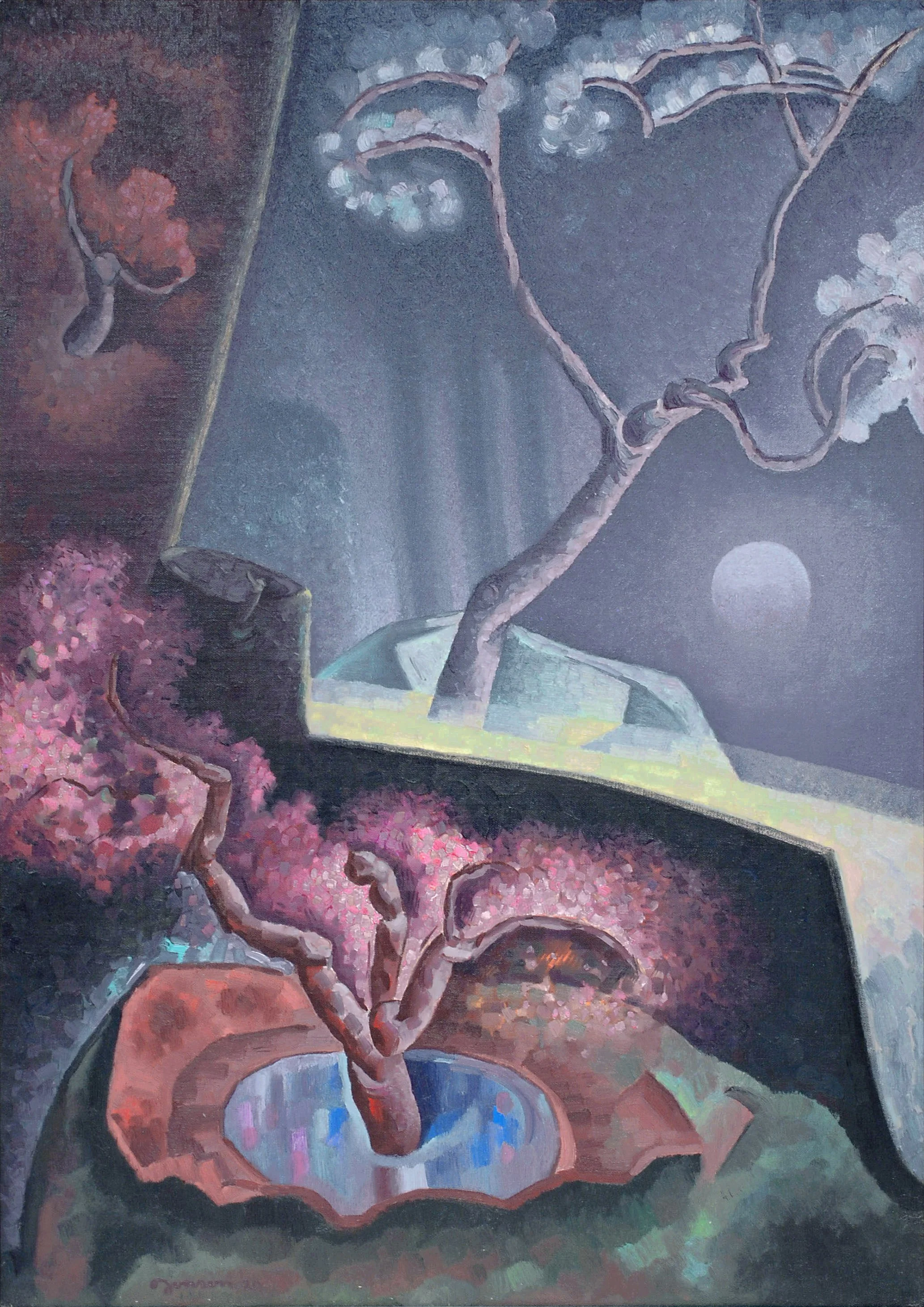
Growth Variant No. V, 1929
37 3/4 x 26 1/2 inches
framed: 41 3/8 x 30 1/4 inches
oil on canvas
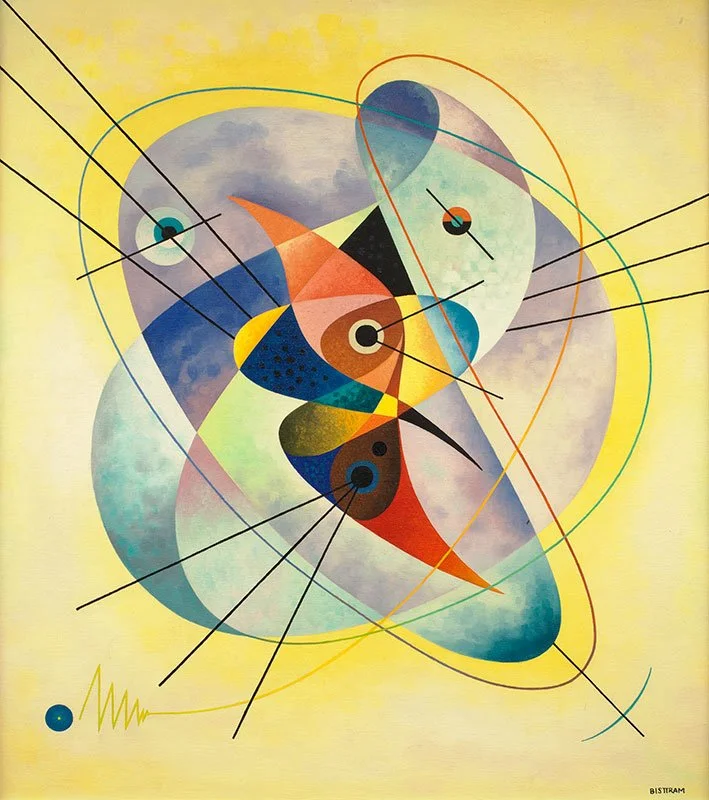
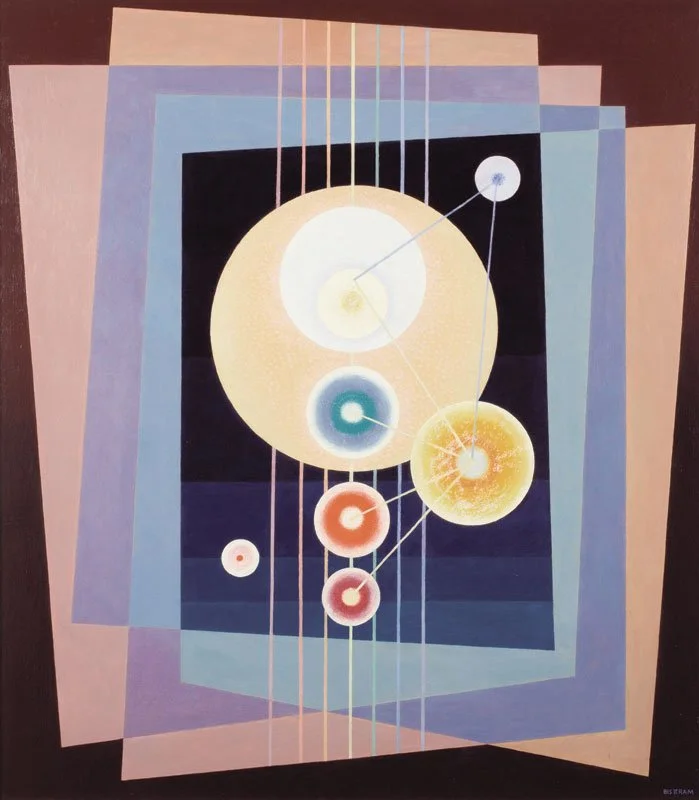
Timecycle- Yellow, 1936
36 x 32 inches
framed: 41 1/4 x 37 1/8 inches
oil on canvas
signed lower right
Abstraction in Yellow, 1932
24 x 20 inches
framed: 27 3/4 x 24 3/4 inches
oil on canvas
signed and dated lower right
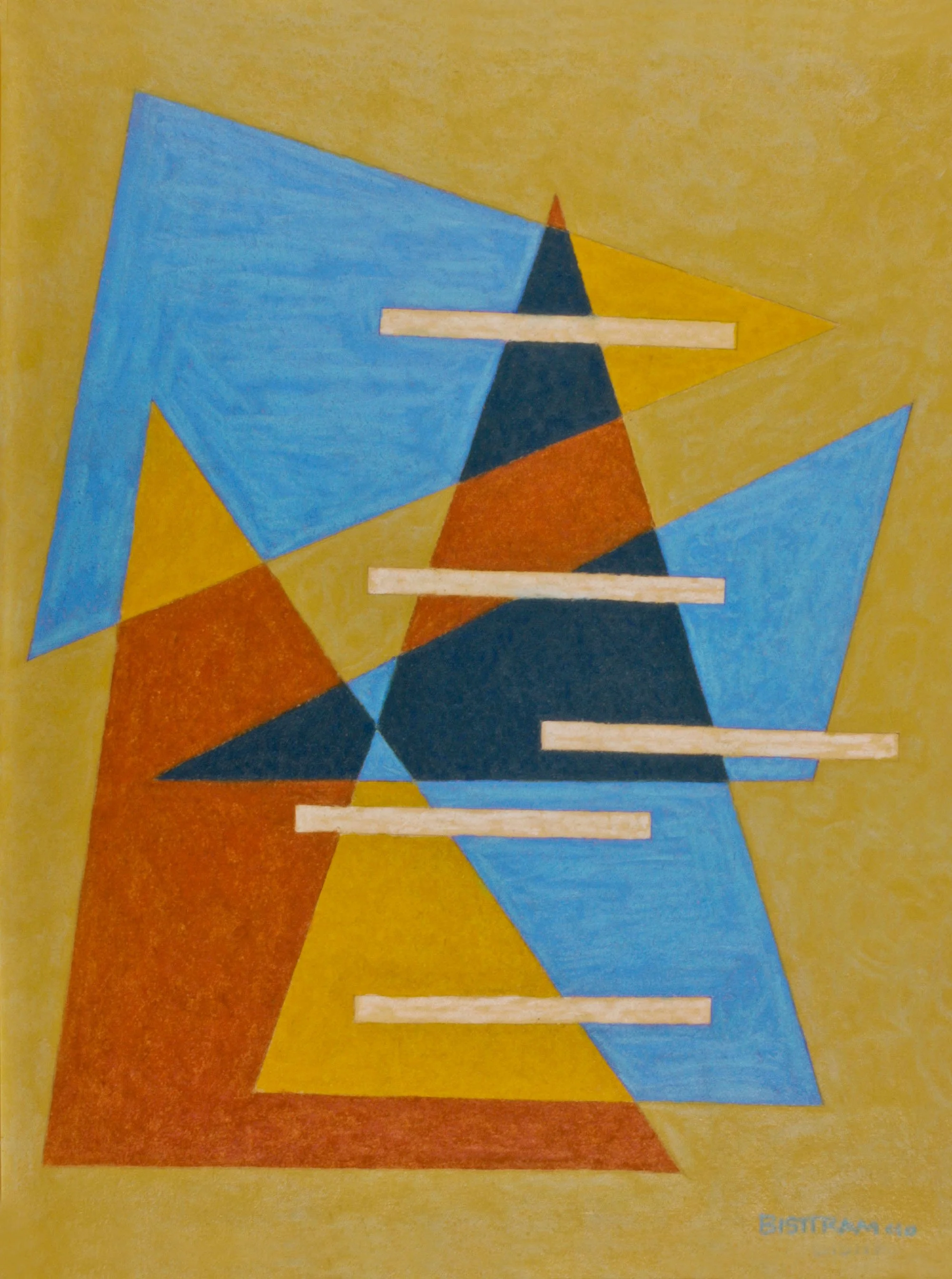
Triangulate Forms, 1940
14 x 11 inches
framed: 19 1/4 x 16 1/4 inches
encaustic on paper
signed and dated lower right
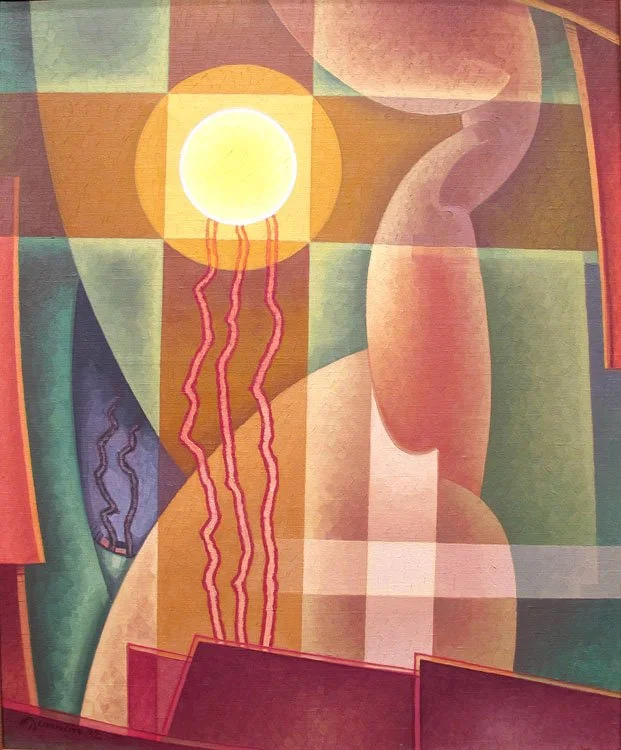
Celestial Alignment, c. 1938
36 x 32 inches
Framed: 41 x 37 1/4 inches
oil on canvas
signed lower right: Bisttram
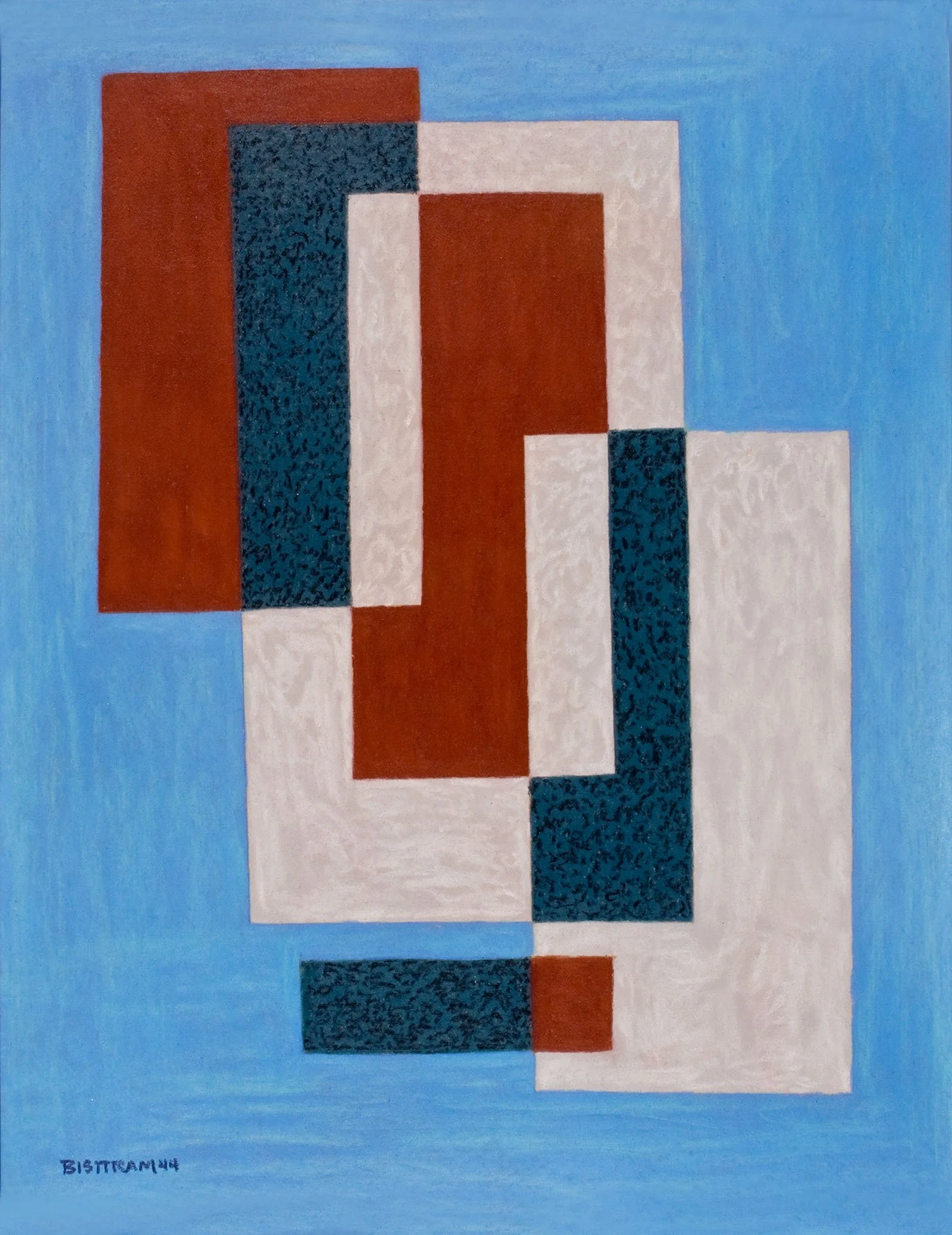
Rhythmic Rectangles on a Blue Ground, 1944
14 1/4 x 11 inches
framed: 20 1/2 x 17 1/2 inches
encaustic on paper
signed and dated lower left
Plant Spirit Figure, 1941
12 x 9 inches
oil on canvasboard
signed and dated verso
inscribed, signed and dated verso
Perseid Shower, 1941
9 x 12 inches
oil on canvasboard
signed and dated verso
Universal Spirit Figure, 1941
12 x 9 inches
oil on canvasboard
signed verso
Press Release
TRADITION AND REVOLUTION IN AMERICAN WESTERN ART
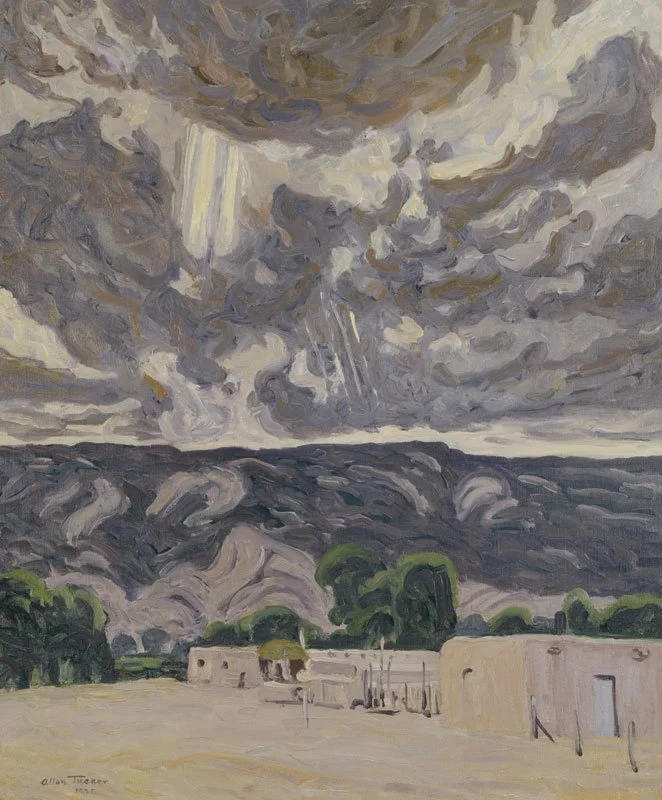
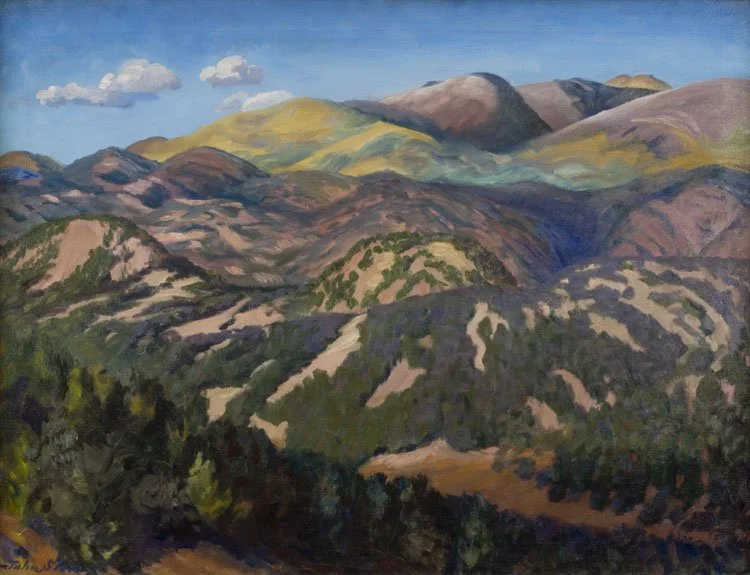
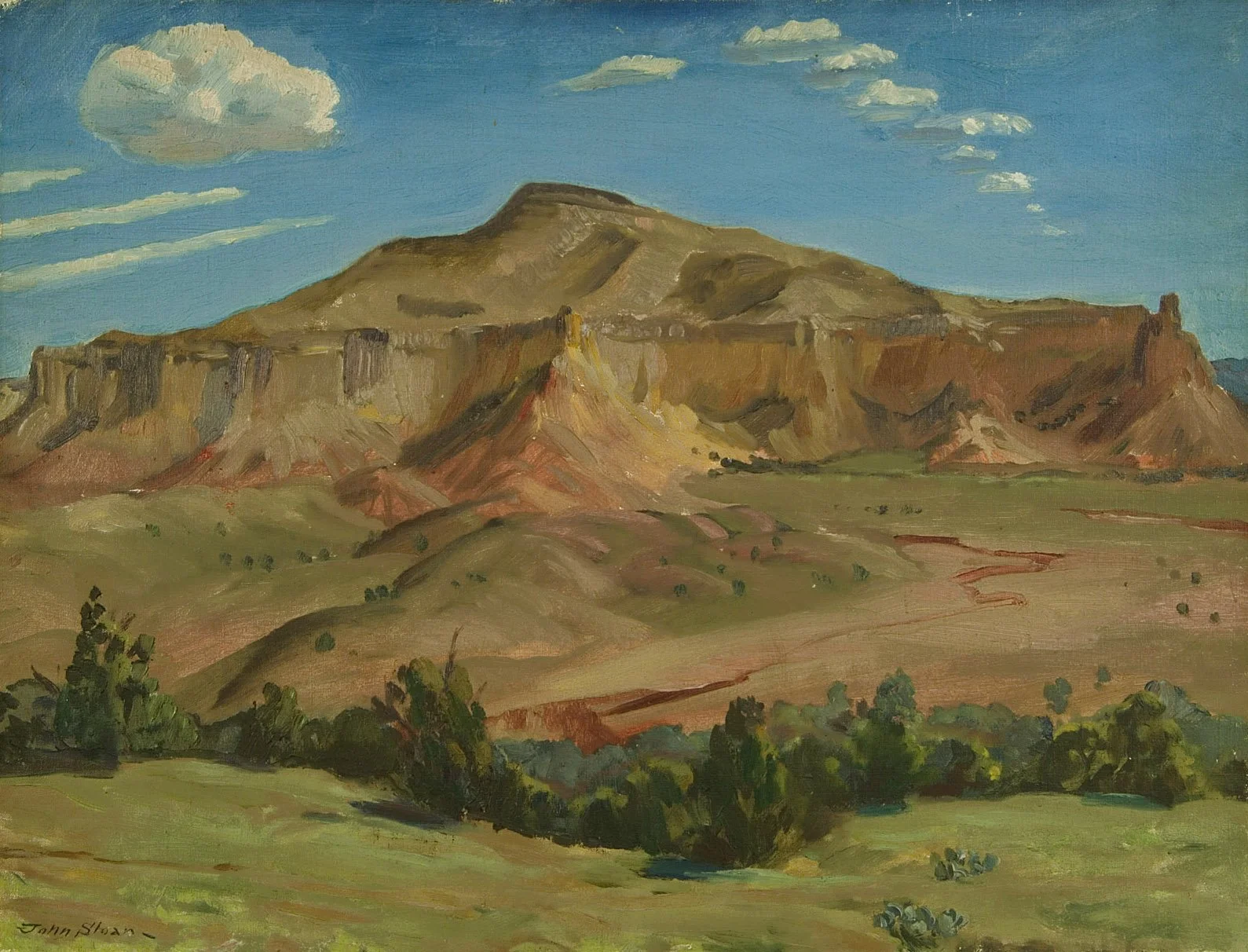
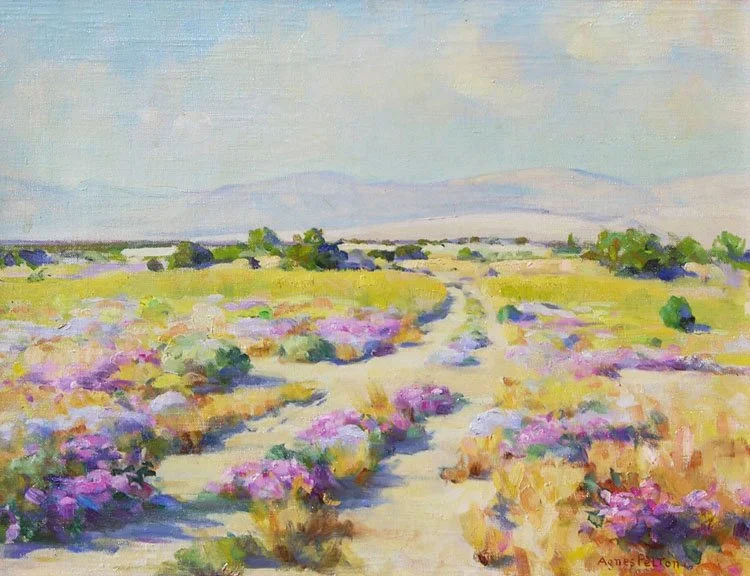
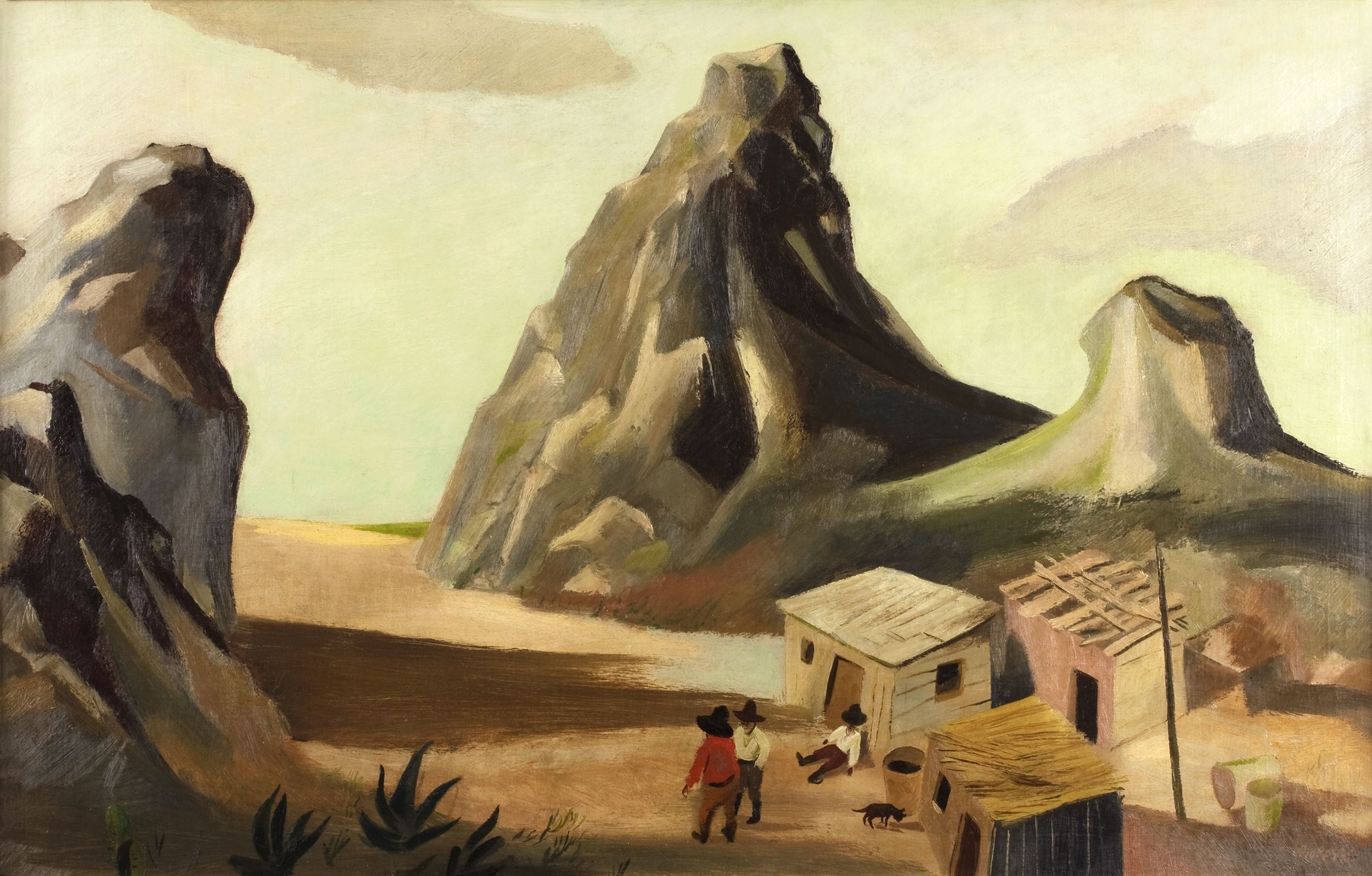
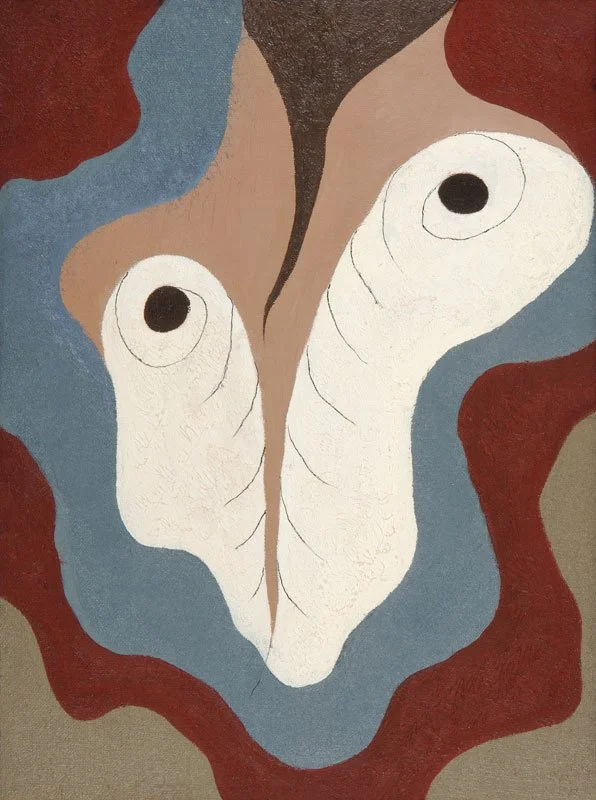
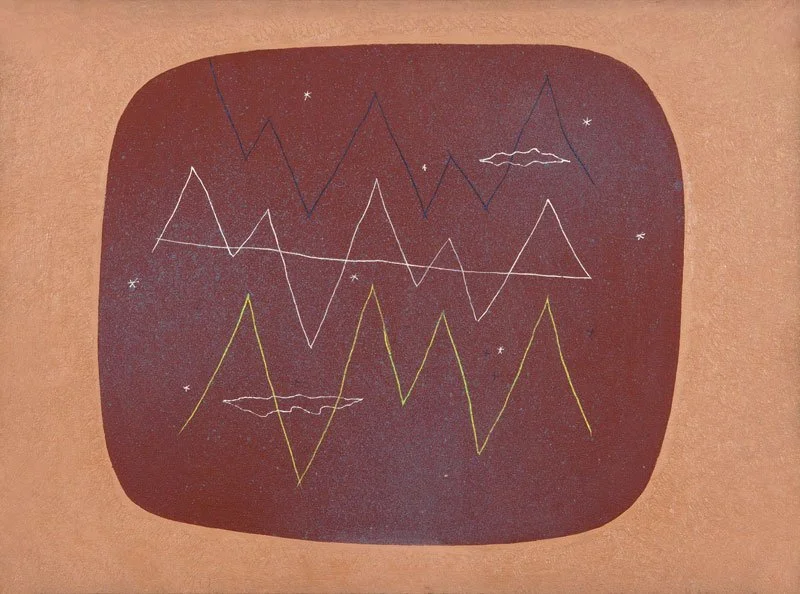
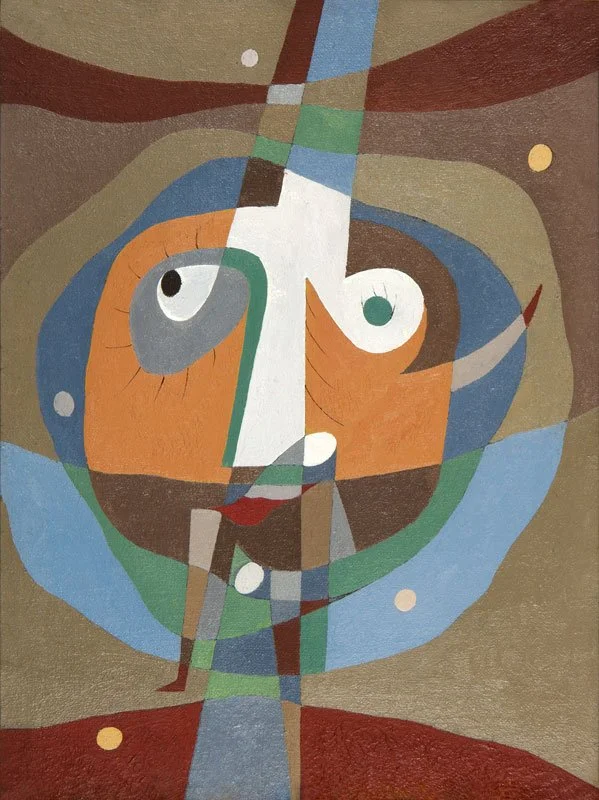
Tradition and Revolution in American Western Art is an exhibition of thirty three paintings and two wood carvings which opens at D. Wigmore Fine Art - 730 Fifth Avenue at 57th Street (6th floor) - on May 2nd. It will remain on view through July 13.
The Western states depicted by works in the exhibition are: Arizona, California, Colorado, New Mexico, Texas, Utah, Wyoming, and Washington. The time line of the art in our exhibition is 1895 to 1945. The Traditionalists in the exhibition are artists whose work remains representational in styles evolving from Impressionism through Post-Impressionism to Cubist Realism and the American Scene. The Traditionalists are: John Twachtman, John Sloan, Allen Tucker, Agnes Pelton, Oscar Berninghaus, Peter Hurd, Dale Nichols, John Steuart Curry, Paul Sample, William Gropper, George Biddle, Doris Lee, and Luigi Lucioni. Western illustrations are also a part of the Traditionalist story, represented by Frederic Remington in our exhibition. The Revolutionists are artist pioneers of non-objective Western art working in the 1930s and 1940s. They are Emil Bisttram, Raymond Jonson, Ed Garman, Charles Green Shaw, and Werner Drewes.
The aim of our exhibition is to demonstrate that Western art was not excluded from main stream stylistic developments. In different styles the paintings in our exhibition personify the interaction of artists with nature and the Western landscape. They record the state of the West after the invention of barbed wire and the end of the open range, the arrival of new kinds of domestic cattle, and the buildup of new railroad lines. They picture the West after these things changed the lives of the ranchers and the indigenous people. The works in this exhibition demonstrate the evolution in Western art that keeps it relevant.
[ TOP ]
Modernism 1913-1950 | Realism of the 1930s and 1940s | Abstraction of the 1930s and 1940s | Post-War | Selected Biographies